

Can Tanzania Become the Supply Chain and Innovation Hub of East and Southern Africa?
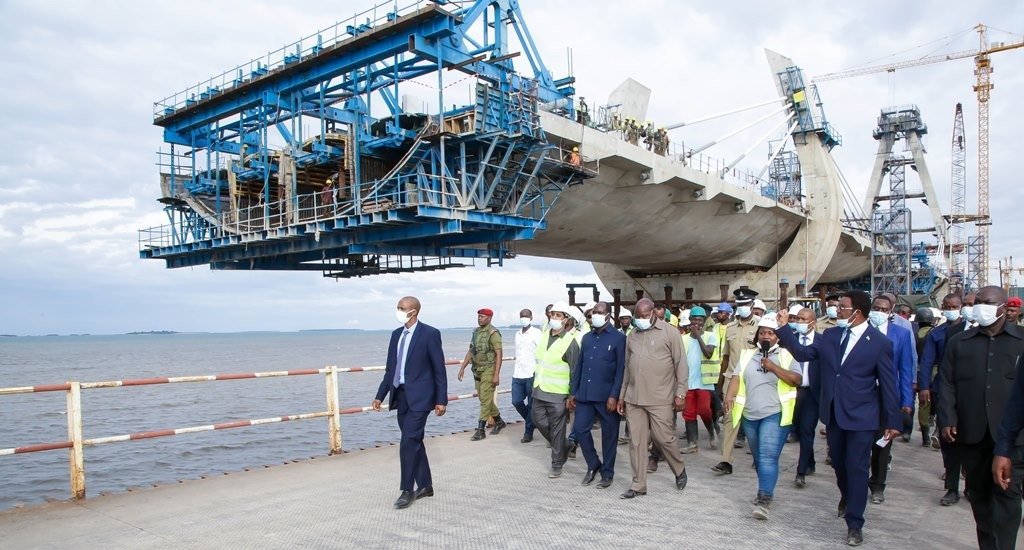
In an era where supply chains are being reconfigured globally, Tanzania has a rare opportunity to transform its strategic location into a powerful engine of regional economic growth.
Over the past four decades, China has built one of the most efficient supply chains and dynamic innovation ecosystems in the world. From manufacturing clusters to digital commerce and world-class logistics infrastructure, China has positioned itself as the “factory of the world.”
For Tanzania, the question is not whether it can replicate China’s model entirely, but how it can adapt key elements of China’s strategy to become a supply chain and innovation hub for regional markets such as the East African Community and the Southern African Development Community.
With its strategic location, expanding infrastructure, and growing population, Tanzania has the potential to serve as a logistics, manufacturing, and innovation gateway linking inland African economies to global markets.
1. Building World-Class Logistics Infrastructure
China’s rise as a global supply chain powerhouse was driven largely by massive investments in ports, railways, highways, and logistics parks that connect factories to export markets.
Tanzania is already moving in a similar direction. Strategic investments such as the expansion of the Port of Dar es Salaam and the construction of the Standard Gauge Railway are strengthening the country’s ability to move goods efficiently between inland markets and international trade routes.
By integrating road networks, ports, railways, and dry ports, Tanzania can position itself as the primary logistics corridor for landlocked countries including Zambia, Rwanda, Burundi, and Democratic Republic of the Congo.
A strong logistics backbone is the foundation of any competitive supply chain ecosystem.
2. Developing Regional Manufacturing Clusters
One of China’s most successful strategies was the development of industrial clusters—geographic concentrations of manufacturers, suppliers, and service providers that increase efficiency and reduce production costs.
Tanzania could replicate this model by expanding industrial parks and special economic zones where manufacturers benefit from shared infrastructure and supply networks. Institutions like the Export Processing Zones Authority already provide a framework for this strategy.
Clusters focused on textiles, agro-processing, steel, electronics assembly, and automotive components could supply products not only to Tanzania’s domestic market but also to regional markets across East and Southern Africa.
3. Leveraging Strategic Trade Position
Tanzania holds a strategic geographic advantage along the Indian Ocean trade corridor. Ports such as the Port of Dar es Salaam and the developing Bagamoyo Port could position the country as a major trade gateway between Africa, Asia, and the Middle East.
By simplifying customs procedures, improving trade facilitation, and digitizing logistics systems, Tanzania can significantly reduce the cost and time required for goods to move across borders.
A highly efficient trade system would encourage international companies to use Tanzania as a regional distribution hub for the EAC and SADC markets.
4. Strengthening Innovation and Technology Ecosystems
China’s supply chain success is increasingly supported by a vibrant innovation ecosystem, driven by technology companies, research institutions, and startups.
For Tanzania, building a strong innovation landscape will require investments in digital infrastructure, research institutions, and entrepreneurship ecosystems. Cities like Dar es Salaam are already emerging as technology hubs with growing fintech, logistics, and digital services sectors.
Collaboration between universities, private companies, and international technology partners can accelerate the development of locally relevant solutions in areas such as logistics technology, digital payments, and smart manufacturing.
5. Supporting Small and Medium Enterprises (SMEs)
China’s supply chain network thrives partly because millions of small and medium-sized enterprises contribute specialized components and services to larger manufacturing ecosystems.
In Tanzania, SMEs play a critical role in employment and economic activity but often face challenges related to financing, technology adoption, and market access.
Strengthening SME financing programs, improving access to digital platforms, and providing technical training could enable small businesses to integrate into regional supply chains.
This would not only boost production capacity but also spread economic benefits across different regions of the country.
6. Investing in Human Capital and Skills Development
Supply chains and innovation systems depend heavily on skilled workers, engineers, technicians, and logistics professionals.
Institutions such as the Vocational Education and Training Authority can play a vital role in developing technical skills required for manufacturing, logistics management, and digital technologies.
Expanding vocational training and linking training programs with industrial needs would ensure that Tanzania’s workforce can support modern supply chain operations.
7. Creating a Business-Friendly Investment Environment
China’s economic transformation was also driven by policies that encouraged investment, entrepreneurship, and industrial expansion.
For Tanzania to become a regional supply chain hub, it must continue improving the business environment through transparent regulations, efficient licensing systems, and reliable infrastructure services.
Stable policies, predictable taxation frameworks, and strong public-private partnerships can attract both domestic and international investors seeking to establish manufacturing and logistics operations.
The Strategic Opportunity for Tanzania
If Tanzania successfully integrates logistics infrastructure, manufacturing clusters, digital innovation, and skilled labor development, it could position itself as a regional supply chain powerhouse serving more than 400 million consumers across East and Southern Africa.
Rather than competing directly with China, Tanzania can adapt key lessons from China’s development strategy—focusing on efficiency, scale, and innovation—to become a gateway economy linking African markets to global supply chains.
In an era where supply chains are being reconfigured globally, Tanzania has a rare opportunity to transform its strategic location into a powerful engine of regional economic growth.