

Informal Cross-Border Trade: Hidden Economic Value
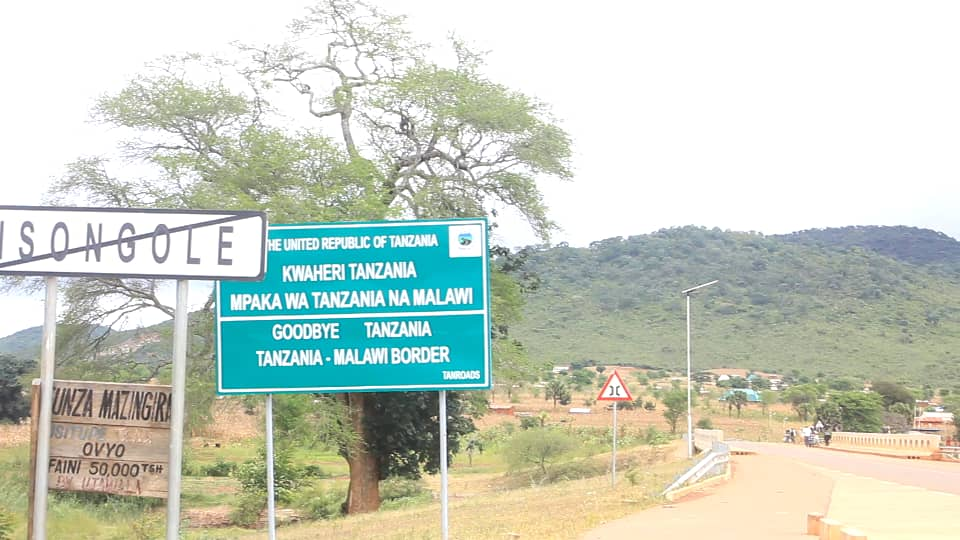
By adopting more inclusive border policies, investing in infrastructure, and supporting women traders, Tanzania can formalize and scale the sector without hurting the vulnerable people who depend on it.
Informal cross-border trade (ICBT) is one of the most underappreciated but economically important sectors in East and Southern Africa. In Tanzania, a significant share of trade activities that occur along borders with Kenya, Uganda, Rwanda, Zambia, Malawi, Burundi, and the DRC do not go through official customs systems. While often unrecorded, this trade supports thousands of livelihoods, boosts regional food security, and keeps markets supplied, especially in border communities and rural towns.
Understanding the realities of informal trade is essential for policymakers seeking to improve regional integration, revenue collection, and livelihood resilience.
1. Why Informal Trade Thrives
Informal trade thrives because it offers what formal systems sometimes fail to provide: speed, flexibility, and simplicity. Many traders, especially women, move small consignments across borders daily, supplying everything from maize, beans, fruits, vegetables, textiles, cooking oil, cosmetics, and household goods.
Key drivers include:
- Simpler procedures: Formal customs processes can be slow or complex, especially for low-volume traders who lack business registration, tax identification numbers, or official invoices.
- Lower transaction costs: Some traders avoid fees, taxes, or regulatory compliance because their profit margins are small.
- Risk diversification: Small-scale traders prefer cash-based, immediate payments that informal channels make possible.
- Livelihood necessity: For many border communities, informal trade is a primary source of income and survival.
Informal trade is not just an evasion tactic; it is a response to systemic barriers. It thrives where formal rules are difficult, costly, or inaccessible, especially for low-income traders.
2. Economic Contribution
Despite being informal, cross-border trade plays a major role in Tanzania’s economy and food systems. It ensures the free flow of essential goods, stabilizes local markets, and provides income to thousands of traders most of whom are women.
Key contributions:
- Food Security: When harvests fail in one region, informal traders quickly supply food from neighbouring countries, reducing scarcity and stabilizing prices.
- Household Income: Informal trade generates steady cash flow for families, covering essentials such as school fees, healthcare, and small investments.
- Market Efficiency: Goods reach where demand is highest, reducing waste and balancing supply across borders.
- Employment Creation: Beyond traders, transporters, porters, money changers, and small retailers benefit directly.
Although rarely captured in national statistics, informal trade can influence inflation, food availability, and rural economic stability. It is a hidden driver of regional economic integration.
3. Revenue Losses
The downside of informal trade is the loss of customs revenue for governments. Because transactions bypass official entry points, they remain unrecorded affecting national accounts and tax collection.
Key issues:
- Unregistered goods reduce import duty and VAT collection.
- Weak border control makes enforcement difficult, especially along rural or unofficial crossing points.
- Lack of trader awareness means many do not understand simplified tax procedures or exemptions designed for small consignments.
While informal trade sustains livelihoods, it also requires a policy approach that balances economic inclusion with revenue protection. Over-policing can harm households, while ignoring the issue limits national revenue potential.
4. The Way Forward
Tanzania can transform informal cross-border trade from a challenge into an engine of regional trade and national revenue, if supported with the right reforms.
Priority actions include:
1. Simplifying Border Procedures
- Introduce One-Stop Border Posts (OSBPs) with dedicated lanes for small-scale traders.
- Implement simplified tax rules and minimal paperwork for low-value consignments.
- Increase awareness of simplified trade regimes under EAC and SADC.
2. Strengthening Border Infrastructure
- Build better border markets, storage facilities, loading areas, and sanitation services.
- Improve rural feeder roads to reduce transport costs and encourage formal channel use.
3. Supporting Women Traders
- Provide business training, simplified licensing, and microcredit schemes.
- Ensure safe trading spaces with proper lighting and anti-harassment protection at borders.
- Establish cross-border women's trade associations to negotiate fair policies.
4. Enhancing Data Collection
- Use digital tools to record low-value trade without complicating the process.
- Integrate ICBT data into national economic statistics for better planning.
Conclusion
Informal cross-border trade is not a problem to be eliminated; it is an economic reality that supports livelihoods, prevents food shortages, and strengthens regional commerce. By adopting more inclusive border policies, investing in infrastructure, and supporting women traders, Tanzania can formalize and scale the sector without hurting the vulnerable people who depend on it.
A balanced approach that encourages compliance, reduces barriers, and empowers traders will unlock the hidden economic value of informal trade and contribute to Tanzania’s long-term economic growth and regional competitiveness.
