
Top 10 Investment Opportunities in Tanzania (2025)
Ready
Tanzania’s economy, valued at USD 88.9 billion in 2025, is on track to hit USD 180 billion by 2030. For investors, the market offers diverse opportunities across mining, agriculture, ICT, real estate, and energy. This Top 10 list highlights the sectors where reforms, infrastructure projects, and demographic trends are converging to create compelling long-term returns.
Tanzania presents one of East Africa’s strongest growth stories. Its nominal GDP, valued at $88.9 billion in 2025, is forecast to nearly double to $180 billion by 2030. The economy is being shaped by strategic infrastructure projects, industrialisation policies, and rising consumer demand from a population that has already passed 65 million people. For investors, the opportunities are undeniable. The key is understanding which sectors hold the highest potential and how to manage risks effectively.
This report outlines the Top 10 Investment Opportunities that define Tanzania’s near-term and long-term economic trajectory.
1. Mining and Natural Resources
Tanzania is Africa’s fourth-largest gold producer, with the mineral accounting for almost 40 percent of total exports. Beyond gold, the country is home to significant deposits of graphite, nickel, coal, and rare earth elements—resources critical for the global energy transition. The global push for electric vehicle batteries places Tanzanian graphite and nickel reserves at the center of future demand. Policy reforms are now encouraging beneficiation, meaning investors can no longer think only in terms of extraction but must also look at refining and local value addition.
2. Agribusiness and Agro-Processing
Agriculture remains the backbone of the economy, contributing about 26 percent of GDP and employing nearly 65 percent of the population. However, the real investor opportunity is in processing, packaging, and logistics. Tanzania is one of the world’s largest cashew producers, its coffee and tea exports remain strong, and demand for horticultural crops like avocados is growing. With the African Continental Free Trade Area (AfCFTA) creating access to a 1.4 billion-person market, Tanzania can transition from a raw commodity supplier to a regional food-processing hub.
3. Infrastructure and Construction
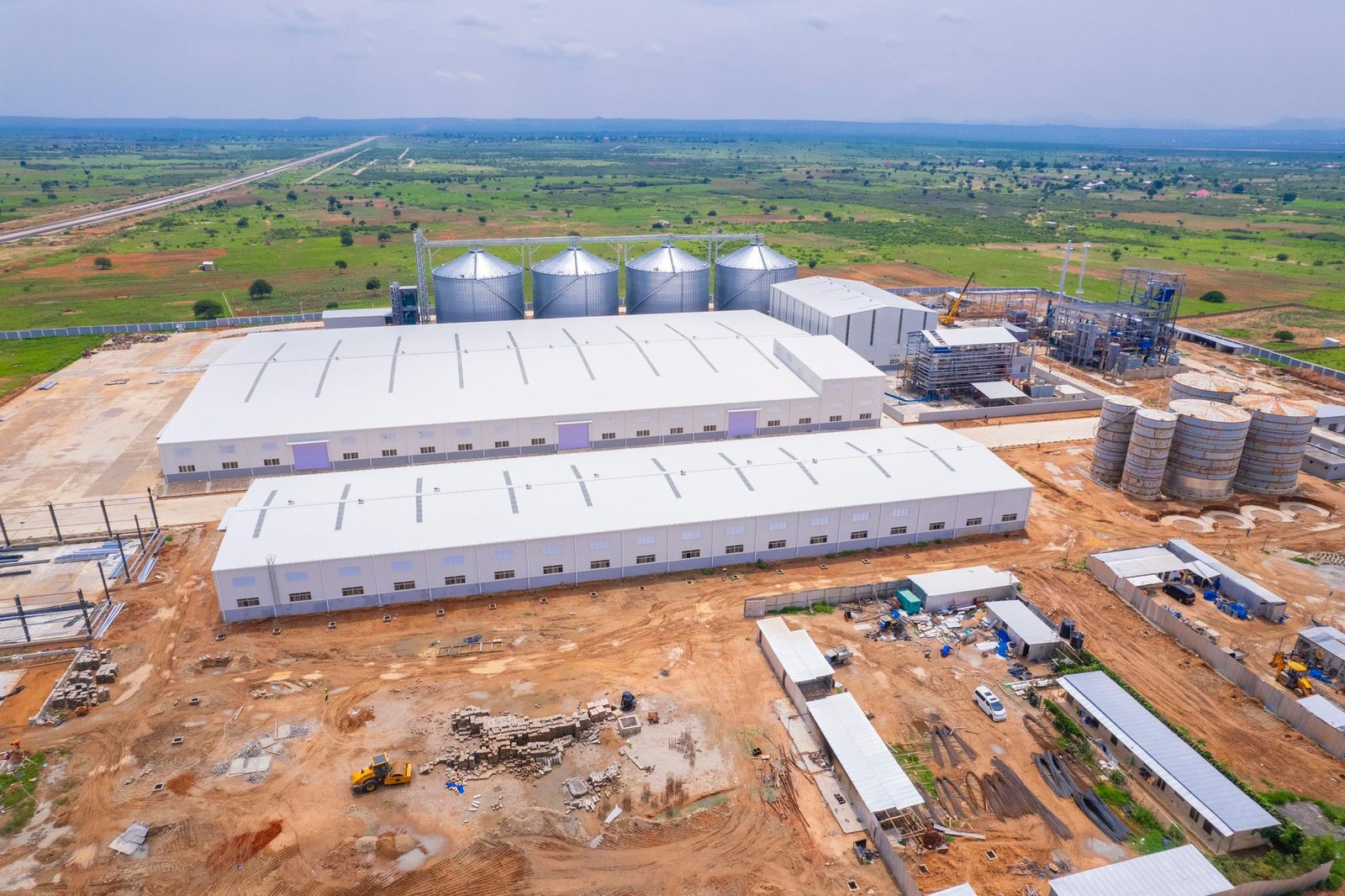
The government continues to spend heavily on infrastructure, a sector that attracts billions in both public and private investment. The Standard Gauge Railway (SGR), once complete, will link Tanzania to Uganda, Rwanda, and beyond, cutting transport costs dramatically. Expansion at the Dar es Salaam and Bagamoyo ports positions the country as a future logistics powerhouse for East and Central Africa. Coupled with nationwide road development, these projects generate sustained demand for construction materials, engineering services, and public-private partnerships.
4. Energy and Renewables
Tanzania’s electrification agenda aims for universal access by 2030. The Julius Nyerere Hydropower Project, with a planned capacity of 2,115 megawatts, will be among the largest in Africa. Meanwhile, natural gas reserves—estimated at 57 trillion cubic feet—provide a solid base for energy diversification. The government has also opened space for solar, wind, and off-grid renewable solutions, especially in rural areas. Investors in Independent Power Producers (IPPs) and mini-grid systems will find a fast-growing customer base.
5. Financial Services and Fintech
Despite strong economic growth, banking penetration remains below 20 percent, leaving millions unbanked. By contrast, mobile money is flourishing, with annual transaction volumes exceeding $60 billion. This duality signals where growth lies: fintech platforms providing digital credit, insurance, and SME financing. With a young, tech-savvy population and rising smartphone adoption, investors can capture high-volume, low-cost financial inclusion opportunities.
6. Tourism and Hospitality
Tourism accounts for nearly 17 percent of GDP and employs about 1.5 million people. Tanzania is home to global attractions like Serengeti National Park, Ngorongoro Crater, and the Zanzibar archipelago. Tourist arrivals are rebounding after the pandemic and are projected to surpass 2 million annually by 2026, with receipts crossing $3 billion. Investment opportunities lie in mid-range hotels, eco-tourism, and digital booking platforms that connect directly to global travelers.
7. Real Estate and Urban Housing
Dar es Salaam is on track to become a megacity of more than 10 million people by 2030. This demographic surge fuels demand for both affordable housing and high-end commercial developments. Real Estate Investment Trusts (REITs) remain underdeveloped, creating space for structured capital inflows. With urbanisation accelerating at over 5 percent annually, demand for housing, office parks, and retail spaces will outstrip supply unless new investment is mobilised.
8. ICT and Digital Economy
Tanzania’s internet penetration has passed 50 percent, with mobile broadband driving digital adoption. Startups in e-commerce, edtech, and healthtech are rising, supported by a youthful population and government policies to digitize public services. Mobile subscriptions now exceed 60 million, almost equal to the population, highlighting a ripe environment for scaling digital platforms. Investors should look at scalable business models that integrate with regional digital ecosystems.
9. Manufacturing and Industrialisation
The government’s Industrialisation Agenda 2025 positions manufacturing as a central pillar of growth. Current focus areas include textiles, cement, fertilizers, and agro-processing. Rising domestic consumption from an expanding middle class, combined with access to EAC’s 300 million consumers, ensures strong demand. Incentives such as tax holidays and export processing zones further sweeten the case for investors.
10. Healthcare and Pharmaceuticals
With a population of more than 65 million in 2025 and growing, healthcare demand is outpacing supply. Public facilities remain overstretched, creating opportunities in private hospitals, diagnostic centers, and pharmaceutical production. Healthcare spending already exceeds 5 percent of GDP and is rising. Investors can target affordable healthcare models and partnerships with local providers to scale delivery.
Executive Insight
Tanzania is no longer just a frontier market; it is becoming a strategic growth hub in Africa. With annual GDP growth averaging 5 to 6 percent, strong natural resource endowments, and a population-driven consumption boom, the fundamentals are clear. The risks lie in bureaucracy and policy shifts, but alignment with national priorities, industrialisation, energy, and infrastructure, provides insulation. Investors entering early, diversifying across sectors, and leveraging Tanzania’s regional trade position will capture the strongest returns over the next decade.
 Uchumi360
Business Intelligence
Uchumi360
Business Intelligence
Uchumi360 covers business, investment, and economic policy across East, Central, and Southern Africa.
For the serious reader
You read to the end. That places you in a small group.
Uchumi360 is built for readers who demand precision over speed, structure over sentiment, and analysis that holds uncomfortable conclusions rather than softening them. If this work sharpens how you think about Africa's economy, help us keep building the infrastructure behind it.
Institutional Partners
Commission intelligence. Shape the conversation.
Uchumi360 works with development finance institutions, investment firms, sovereign bodies, and strategic organisations across the coverage region. Institutional partnership unlocks:
- Commissioned sector and country intelligence reports
- Branded research series under your institution's authority
- Exclusive data briefings for internal strategy teams
- Speaking and editorial presence at Uchumi360 events
- Co-published investment outlooks for your markets
Support Our Work
Independent analysis has a cost. Help us bear it.
Uchumi360 does not carry advertising. It does not take editorial direction from sponsors. Every article is produced without commercial compromise. Your contribution funds the reporting, research, and editorial infrastructure that keeps this analysis free from influence.
Secure checkout: One-time and monthly support are processed securely. Add payment credentials to enable checkout here.
Stay Connected
Keep up with every new insight.
Follow our latest analysis, policy coverage, and market intelligence as soon as it is published. If you need something specific, reach out directly and we will point you to the right research.
