

CRDB’s Dubai Move: How a Tanzanian Bank Is Rewiring East Africa’s Access to Global Capital
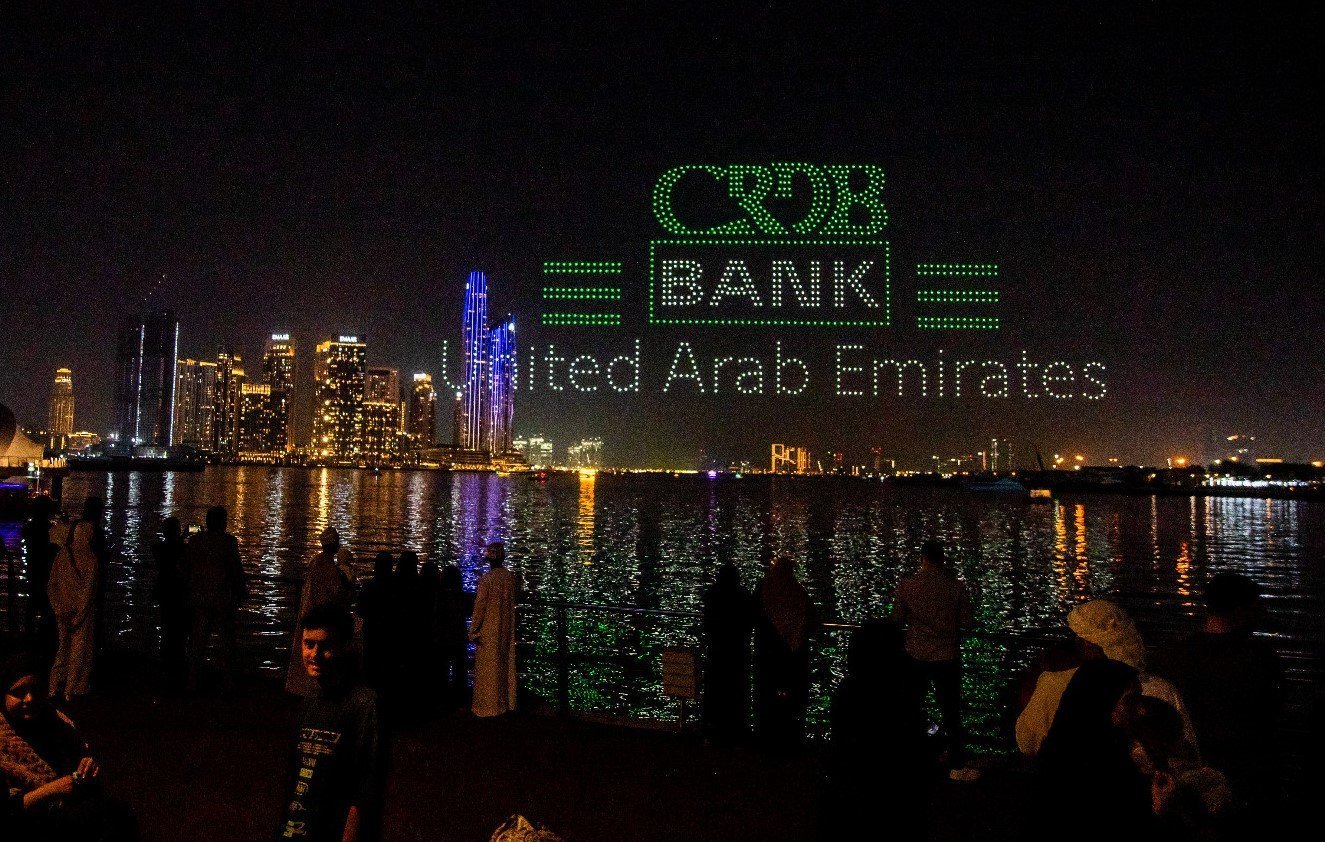
CRDB Bank has opened a representative office in Dubai, becoming the first East African bank to enter the Dubai International Financial Centre. This move signals a strategic shift in how Tanzania and the wider region connect to global capital markets, positioning CRDB as a bridge between Gulf investors and East African businesses.
CRDB Bank Plc has officially opened a representative office in Dubai, placing Tanzania’s largest bank inside one of the world’s most influential financial ecosystems. The office, licensed by the Dubai Financial Services Authority and located in the Dubai International Financial Centre, marks the first time an East African bank has established a formal presence in this global hub.
This is not a branding exercise. It is a structural shift in how East African capital connects to international markets.
Dubai functions as a crossroads for Middle Eastern, Asian and African capital. By entering this space, CRDB is positioning itself as an intermediary between Gulf investors and businesses operating in Tanzania, Burundi and the Democratic Republic of Congo and the large East, Central and Southern African region. The objective is clear. Channel investment into African projects while giving African firms a direct line into global financial networks.
The Dubai office will operate as a commercial and investment liaison rather than a retail bank. Its mandate is to promote CRDB’s financial services, structure trade finance solutions, support cross-border transactions and cultivate institutional relationships with sovereign funds, corporates, development financiers and family offices. In practical terms, this means African exporters, importers and project developers now have a bank physically embedded inside the same system where large pools of capital are deployed.
For East Africa, this move carries wider implications. Regional economies depend heavily on external capital for infrastructure, industrial development and trade expansion. Yet most of that capital traditionally passes through European or South African financial channels. CRDB’s Dubai base introduces a new corridor. Gulf capital, which has grown increasingly active in Africa’s energy, logistics and agribusiness sectors, now has a regional banking partner anchored in the East African market itself.
The timing is deliberate. CRDB recently completed a major upgrade of its core banking systems to support international operations, regulatory compliance and complex cross-border transactions. This technological foundation enables the bank to operate under global financial standards while still serving domestic and regional markets.
Institutionally, the expansion aligns with broader continental trends. As African economies deepen trade under the African Continental Free Trade Area, banks are being forced to think beyond national borders. Financial infrastructure must now mirror the movement of goods, services and capital across regions. CRDB’s presence in Dubai effectively extends East Africa’s financial perimeter into the Middle East.
Strategically, the move repositions CRDB from being only a regional bank to becoming a gateway institution. It can originate business in East Africa and structure financing offshore. It can mobilize Gulf capital into African projects. It can serve diaspora businesses and multinational firms seeking stable African banking counterparts.
For Tanzania, the symbolism matters. A Tanzanian bank operating from Dubai signals institutional maturity. It reflects confidence that domestic financial institutions can meet global regulatory and operational thresholds. It also enhances the country’s visibility within international investment circles that often bypass African markets due to perceived risk and distance.
More broadly, this expansion highlights a quiet but important shift. African banks are no longer content to wait for global finance to come to them. They are going where the capital is.
CRDB’s Dubai launch therefore represents more than geographic growth. It represents a change in posture. From regional player to international connector. From domestic bank to cross-border financial infrastructure.
For East Africa’s trade ambitions and investment needs, that distinction is not cosmetic. It is structural. If sustained and effectively executed, this move could alter how projects are financed, how exporters are funded and how African businesses integrate into global markets.
In that sense, CRDB’s Dubai office is not just an address. It is a new financial artery between East Africa and the world.