

External Debt vs Domestic Debt: Which Is Riskier to Tanzania’s Economy?
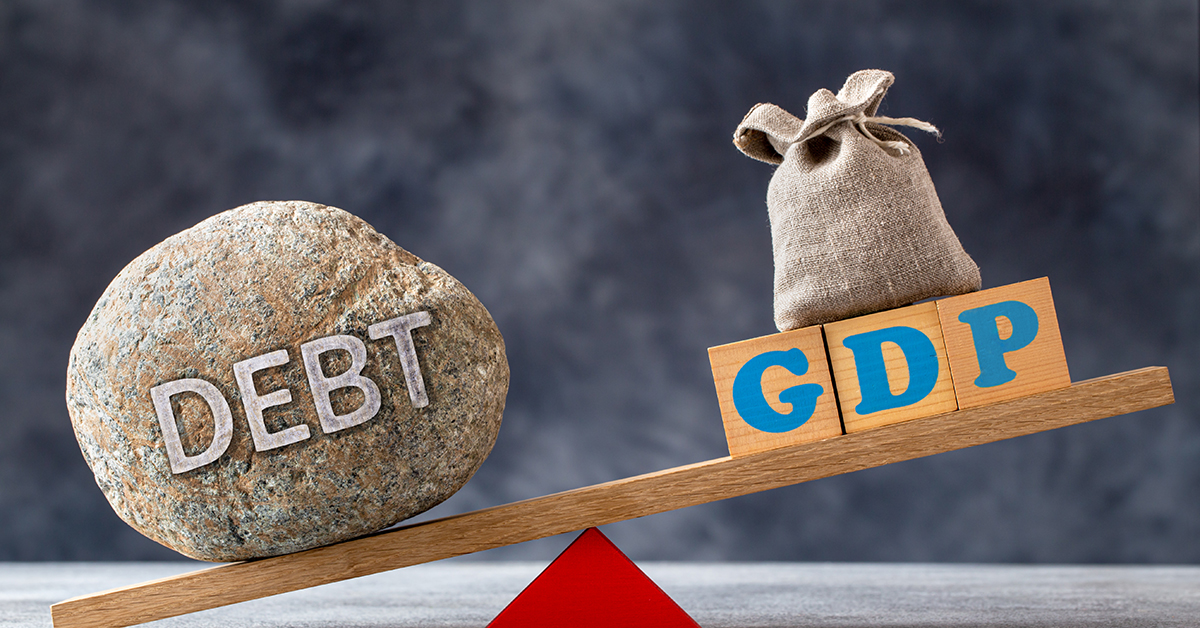
Excessive dependence on either external or domestic debt concentrates risk.
Public Debt Is a Financing Tool, Not Automatically a Problem
Public borrowing allows governments to finance infrastructure, social services, and economic transformation beyond what current revenues permit. For Tanzania, debt has supported transport networks, energy projects, and public services. The critical question is not whether to borrow, but how borrowing choices affect economic stability and growth.
External Debt Offers Cheaper Financing but Carries Currency Risk
External debt, often sourced from multilateral institutions and bilateral partners, typically comes with lower interest rates and longer maturities. This makes it attractive for financing large, long-term development projects. However, because it is denominated in foreign currencies, external debt exposes Tanzania to exchange rate fluctuations that can sharply increase repayment costs when the shilling depreciates.
Exchange Rate Shocks Can Amplify External Debt Burdens
Even if external loans are concessional, currency depreciation can raise debt servicing costs in local terms. This can strain government budgets, especially during periods of global financial tightening or commodity price volatility. As a result, external debt risks are closely linked to export performance, foreign exchange earnings, and reserve adequacy.
Domestic Debt Reduces Currency Risk but Raises Cost Concerns
Domestic debt is issued in local currency, shielding the government from exchange rate volatility. This improves predictability in debt servicing and supports development of domestic financial markets. However, domestic borrowing often carries higher interest rates and shorter maturities, increasing fiscal costs and refinancing pressure.
Crowding Out Is the Key Risk of Excessive Domestic Borrowing
When government borrows heavily from domestic markets, it competes with the private sector for available credit. This can push up interest rates and limit access to financing for businesses, slowing private investment and job creation. Over time, this undermines the growth the very base needed to sustain public debt.
Debt Structure Matters More Than Debt Type
The risk profile of public debt depends on its composition, maturity, interest rate, currency mix, and creditor diversity. A well-structured debt portfolio balances external and domestic borrowing, spreads repayment over time, and minimizes exposure to shocks. Poor structure, not debt source alone, is what turns borrowing into vulnerability.
Revenue Growth Determines Long-Term Sustainability
Debt becomes risky when repayment obligations grow faster than government revenues. Expanding Tanzania’s domestic revenue base through improved tax administration, economic formalization, and growth in productive sectors is essential. Without revenue growth, both external and domestic debt can become unsustainable regardless of terms.
Macroeconomic Stability Anchors Debt Confidence
Stable inflation, manageable deficits, and predictable monetary policy support investor confidence and reduce borrowing costs. Weak macroeconomic fundamentals magnify debt risks by increasing interest rates, exchange rate volatility, and refinancing challenges. Debt management cannot be separated from overall economic governance.
Transparency and Debt Management Institutions Are Critical
Clear reporting, parliamentary oversight, and strong debt management offices improve credibility and reduce risk premiums. Markets and development partners respond positively to transparency and predictable policy signals. Weak governance, by contrast, raises concerns even when debt levels appear moderate.
The Real Risk Is Over-Reliance on One Financing Source
Excessive dependence on either external or domestic debt concentrates risk. External-heavy portfolios heighten currency exposure, while domestic-heavy portfolios strain local financial markets. Diversification across instruments, creditors, and maturities enhances resilience.
Bottom Line: Balance, Quality, and Purpose Matter Most
Neither external nor domestic debt is inherently riskier for Tanzania. The true risks lie in poor debt structure, weak revenue growth, and inadequate project returns. A balanced borrowing strategy aligned with economic growth, strong institutions, and prudent macroeconomic management is what determines whether debt supports development or undermines it.