

Tanzania’s Cashless Economy: How Digital Payments Are Rewiring Commerce
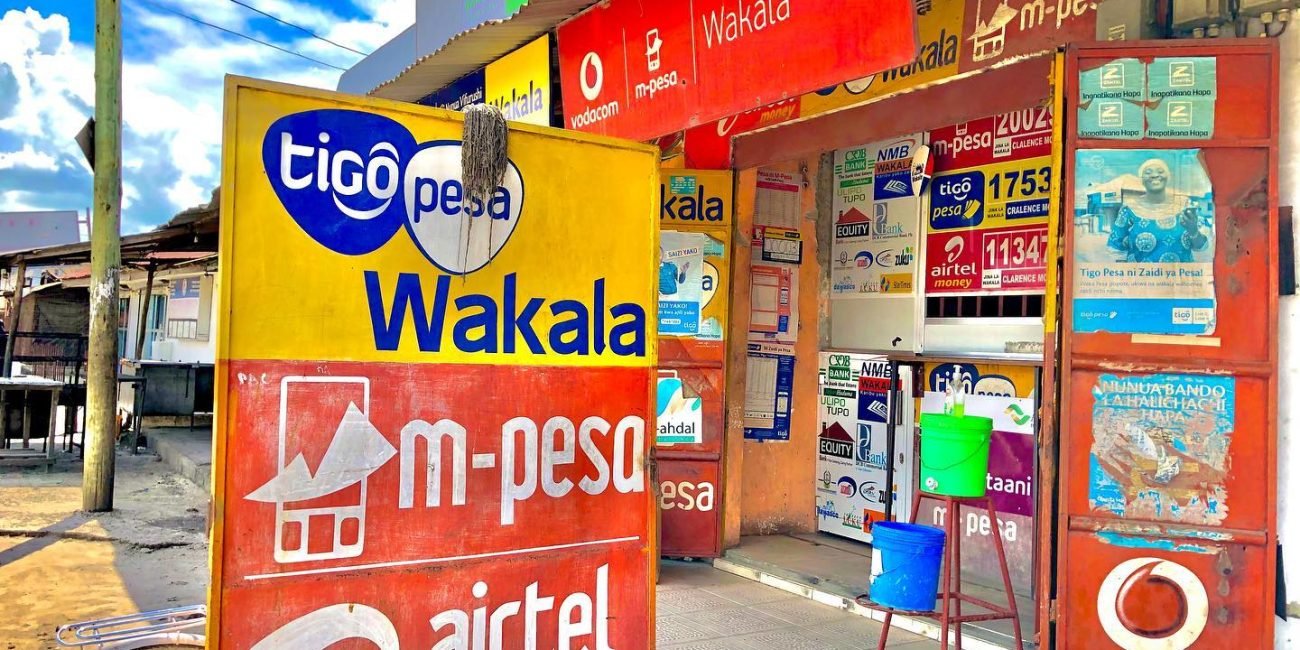
Real-time digital payments (TIPS/TISS) processed TZS 29.9 trillion (≈ US$11.6 billion) in 2024, more than double 2023’s value.
Tanzania is fast-moving from a cash-first society to a predominantly digital one. Mobile money (Mpesa, Mixx by Yas, Airtel Money, Hallo Pesa), real-time national payment switches, expanding merchant acceptance, and stronger regulation have combined to create a vibrant but still maturing cashless ecosystem. Below, I explain what’s driving the change, hard stats up to 2024, benefits, challenges, regulation, international comparisons, and practical recommendations for policymakers, businesses and designers of financial services.
Snapshot: Big numbers you can’t ignore
- Real-time digital payments (TIPS/TISS) processed TZS 29.9 trillion (≈ US$11.6 billion) in 2024, more than double 2023’s value.
- Mobile-payment transaction volume rose to ~6.41 billion transactions in 2024 (a ~26.7% increase year-on-year); the value of mobile payments reached about TSh 198.9 trillion in 2024 (up ~28.5%).
- The number of merchants accepting digital payments doubled to 1.32 million in 2024 (from ~657k in 2023), with mobile network operators (EMIs) accounting for ~90% of merchant onboarding.
- Mobile money accounts and agents expanded rapidly: active accounts and agent networks grew strongly between 2020–2024, reinforcing Tanzania’s digital foothold. GSMA and industry reporting attribute a substantial GDP uplift to mobile money.
Why Tanzania is going cashless: the main drivers
1. Mobile money dominance
Operators like M-Pesa (Vodacom), Tigo Pesa (now Mixx/Yas), and Airtel Money led nationwide adoption by offering ubiquitous, low-touch payment rails and agent networks that reach urban and rural users alike. M-Pesa remains the market leader in accounts and transaction value.
2. National switching & real-time rails (TIPS/TISS)
The Bank of Tanzania’s national payment infrastructure (TISS/TIPS) scaled up, enabling banks and non-bank providers to settle real-time low-value payments, which multiplied transaction values processed through formal rails.
3. Merchant acceptance & digital retail
Rapid merchant onboarding, doubling merchant acceptance in 2024, turned mobile money from P2P and airtime top-ups into mainstream retail payments for goods and services.
4. Policy, fintech growth and penetration of mobile/internet
Higher smartphone & internet use, fintech product innovation, and targeted policies from BoT and TCRA created an environment ripe for digital payments. GSMA and TCRA reports document major mobile and internet penetration gains.
What does cashless bring to Tanzania?
Financial inclusion
Millions previously outside the formal banking sector gained access to transaction, savings and payment services via mobile money and agent networks. (GSMA estimates mobile money substantially bolstered national GDP).
Efficiency & lower transaction costs for some use cases
Real-time settlement reduces clearing times, and merchants can accept digital payments without cash handling overheads.
Revenue transparency and tax collection
Digital trails make it easier to track economic activity and broaden the tax base (a benefit governments often highlight).
Economic growth multiplier
Digital finance has supported formalization of small businesses, faster transfers, and changed consumption patterns, contributing to higher measured economic activity.
Challenges and risks to be watched out.
Cost of transactions and taxes
Government levies and some fees reduced the attractiveness of P2P and withdrawal services at times; regulators must balance revenue needs and affordability for low-income users. GSMA and IFC analysis indicate that taxes introduced in 2023 depressed some transaction types.
Agent liquidity and coverage gaps
Agent networks scale fast but require liquidity, float management, and supervision. Rural or low-turnover areas still face cash-in/cash-out challenges.
Cybersecurity and fraud
As volumes grow, fraud, SIM swap attacks, and scams rise. Providers and regulators must continuously upgrade fraud detection and user education.
Interoperability and fragmentation
Multiple mobile money providers, bank channels and payment schemes require strong interoperability rules to avoid vendor lock-in and encourage cross-platform payments.
Exclusion of non-digital-ready users
Older adults, some micro-enterprises, and areas with weak connectivity can be excluded if cash is phased out too quickly.
Regulation and institutional landscape
- Bank of Tanzania (BoT) oversees the National Payment System (TISS/TIPS) and publishes annual reports tracking volumes and values. BoT has focused on stability, interoperability and risk oversight.
- TCRA publishes telecom and mobile money statistics (subscriptions, operator market share, mobile money penetration). Their 2024 Communication Statistics highlights operator market shares and mobile money growth.
- Electronic Money Issuer (EMI) licensing enables non-bank players (MNOs, fintechs) to provide e-money central to Tanzania’s mobile-led model. Regulators walk a line between enabling innovation and ensuring consumer protection.
Internal examples (Tanzania)
- M-Pesa (Vodacom): Leader in accounts and transaction value; continued growth in merchant and service revenue.
- National switch (TIPS/TISS): Processed TSh29.9 trillion in 2024, a huge boost to formal real-time payments and bank-to-bank retail flows.
- Merchant onboarding surge: 1.32 million merchants accepting digital payments in 2024, a sign of cashless retail momentum.
Practical recommendations for policymakers and Industry
- Keep costs low for basic use cases like P2P (payments are digital transfers of money directly between individuals, without needing cash or a bank teller. In Tanzania, these are primarily done via mobile money platforms like M-Pesa, Tigo Pesa, Airtel Money, and Vodacom’s Tap-Pay, small merchant payments, withdrawals) to protect financial inclusion.
- Mandate and enable interoperability across EMIs, banks and fintechs to avoid walled gardens and reduce friction.
- Strengthen agent liquidity networks with targeted float management tools and incentives for rural coverage.
- Harmonize fiscal policy with digital growth objectives, avoid sudden levies that sharply erode usage (use impact assessments).
- Invest in cybersecurity, fraud prevention and consumer education require stronger KYC, fraud detection, and incident reporting frameworks.
- Use digital payment data to improve public services (e.g., targeted social transfers, revenue collection, and supply-chain transparency) while protecting privacy.
- Promote value-added digital services (merchant lending, savings, insurance) to deepen financial access beyond payments.
Outlook: Where Tanzania is headed
Tanzania’s cashless transition is real and accelerating. With national rails processing record values and merchant acceptance exploding, the country is well-positioned to embed digital payments into everyday commerce. The near term will be shaped by how the government and industry balance costs vs. inclusion, regulate for safety without stifling innovation, and leverage digital payments to boost formal economic activity. If managed well, the cashless economy can increase transparency, expand financial services, and raise productivity across Tanzania.
