

Money Psychology: Why Tanzanians Struggle With Saving
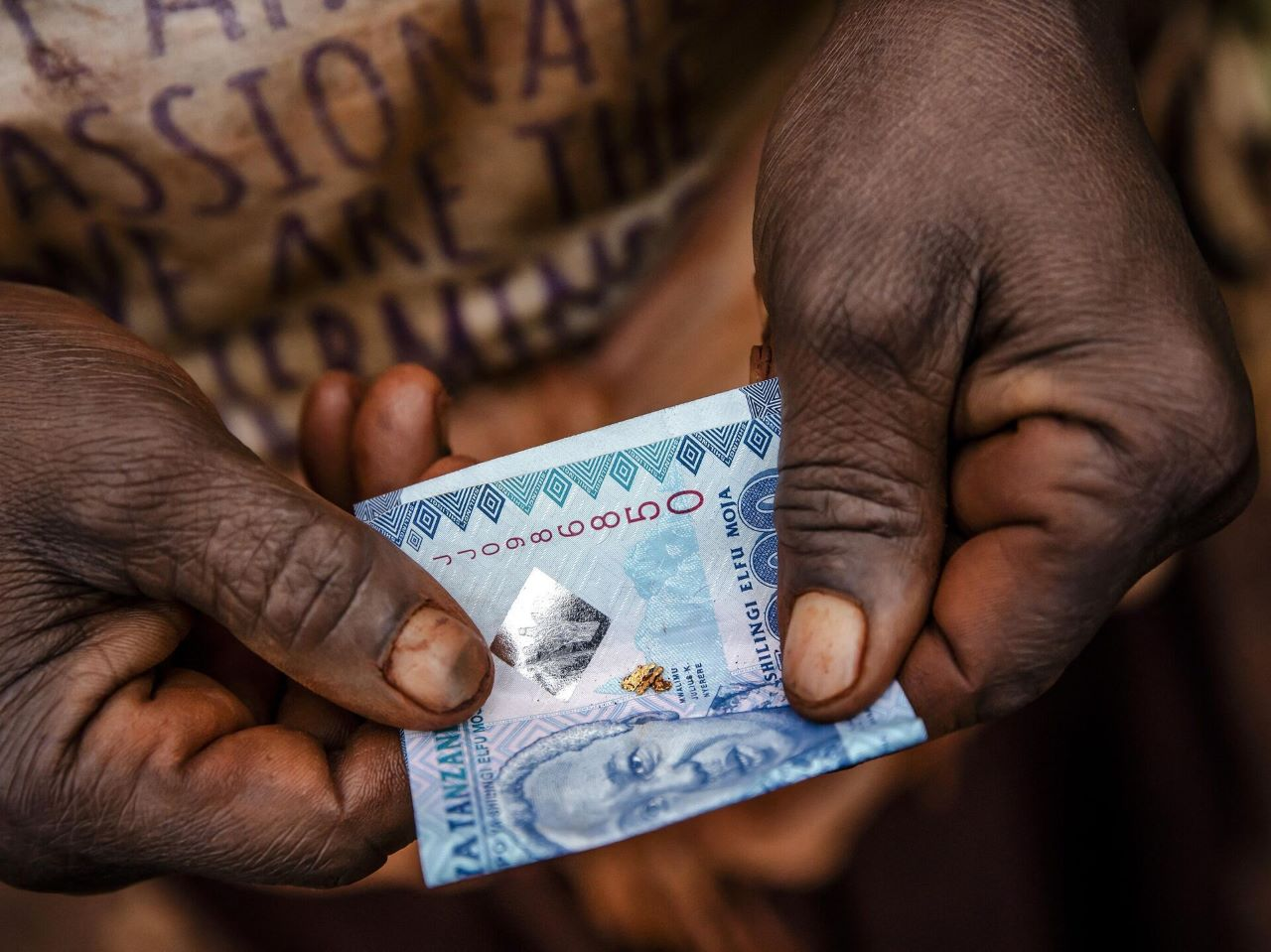
When someone thinks “Hii elfu tano itanisaidia nini?” they choose instant gratification (airtime, snack, unnecessary spending) instead of long-term accumulation.
Saving money is not only a financial skill but also a psychological behaviour shaped by culture, upbringing, environment, and personal attitudes towards money. In Tanzania, many people genuinely want to save, but month after month, they find themselves stuck in the same cycle: high expenses, low savings, and no financial buffer. Understanding the psychology behind these habits is the first step toward changing them.
1. The “Hand to Mouth” Economic Reality
A large percentage of Tanzanians live on a limited income, especially in rural and semi-urban areas. When incomes are unpredictable, common among casual workers, bodaboda riders, food vendors, or small business owners, saving becomes a luxury. People focus on survival, not long-term financial planning.
This creates a mindset of “Nikishapata hela kidogo nile, nibane ili iweje, nikiikosa, nitavumilia.” Such survival thinking makes it emotionally difficult to set money aside because every shilling feels urgently needed today.
2. The Social Pressure to Spend
Tanzanian culture values community support, generosity, and helping one another. While these values strengthen society, they also pressure people financially.
From contributions (michango), weddings, funerals, send-offs, and school fee emergencies, people often feel guilty saying no. The fear of disappointing others pushes many to spend money intended for savings. Psychologically, this creates “external spending triggers,” where financial decisions are controlled more by society than personal goals.
3. The Belief That Savings Must Be Large to Matter
Many Tanzanians believe saving is only meaningful when you have a big salary or large amounts. This mindset kills motivation.
When someone thinks “Hii elfu tano itanisaidia nini?” they choose instant gratification (airtime, snack, unnecessary spending) instead of long-term accumulation.
This leads to “all-or-nothing thinking,” a common cognitive bias. Small savings are seen as pointless, so people do not save at all.
4. Lack of Financial Education and Money Management Skills
For many, money is learned at home, not in school. If someone grows up in a home where money is always spent immediately or financial crises are frequent, they often internalize poor money habits.
Without understanding budgeting, interest, compounding, and long-term planning, people treat money emotionally, not strategically.
This psychological gap causes behaviors like impulse buying, overspending on luxuries, and failing to track expenses.
5. Fear of Banks and Formal Financial Systems
Some Tanzanians still hold emotional distrust towards banks due to:
- past experiences with fees
- fear of losing money
- limited understanding of banking products
- preference for keeping money “close”
- bad experiences with failed SACCOS or pyramid schemes
This emotional barrier pushes people to keep their money in accessible places wallets, mobile money accounts, or even at home. Easy access encourages spending instead of saving.
6. The Culture of Instant Gratification
Modern Tanzania is rapidly urbanizing, and social media creates comparisons and pressure. People want:
- new phones
- clothes
- weekend outings
- trendy lifestyles
This creates an emotional attachment to immediate pleasure rather than future stability. The brain prioritizes dopamine, the reward chemical, over delayed benefit.
Without discipline tools like budgeting, people struggle to resist impulse buying.
7. Unclear Life Goals and Lack of Vision
Saving becomes easier when someone has a clear purpose, such as buying land, investing in business, or paying school fees.
However, many Tanzanians operate on short-term thinking because of unstable income or uncertainty about the future. Without a vision, saving feels pointless.
Psychologically, the brain needs a reason to delay pleasure. Without goals, people do not see the value of sacrificing today.
8. Emotional Spending as a Coping Mechanism
Life challenges stress, financial pressure, insecurity, and even relationship issues, can lead people to spend money just to feel better.
People buy snacks, clothes, trips, or unnecessary items to escape emotional discomfort. This is called “retail therapy.”
Instead of dealing with stress, they soothe it through spending, making saving even harder.
Conclusion: Saving Requires Psychology, Not Just Money
The struggle Tanzanians face in saving is deeper than income. It is psychological, cultural, and behavioral.
To improve savings culture, people need:
- Financial education
- Budgeting habits
- Realistic goals
- Reduced spending pressure
- Safe saving tools
- Discipline systems like standing orders or locked savings accounts
When people understand the emotions behind their spending habits, they gain the power to change them. Saving becomes a behavior, not a burden.
