

How Mobile Money Is Reshaping Tanzania’s Savings Culture
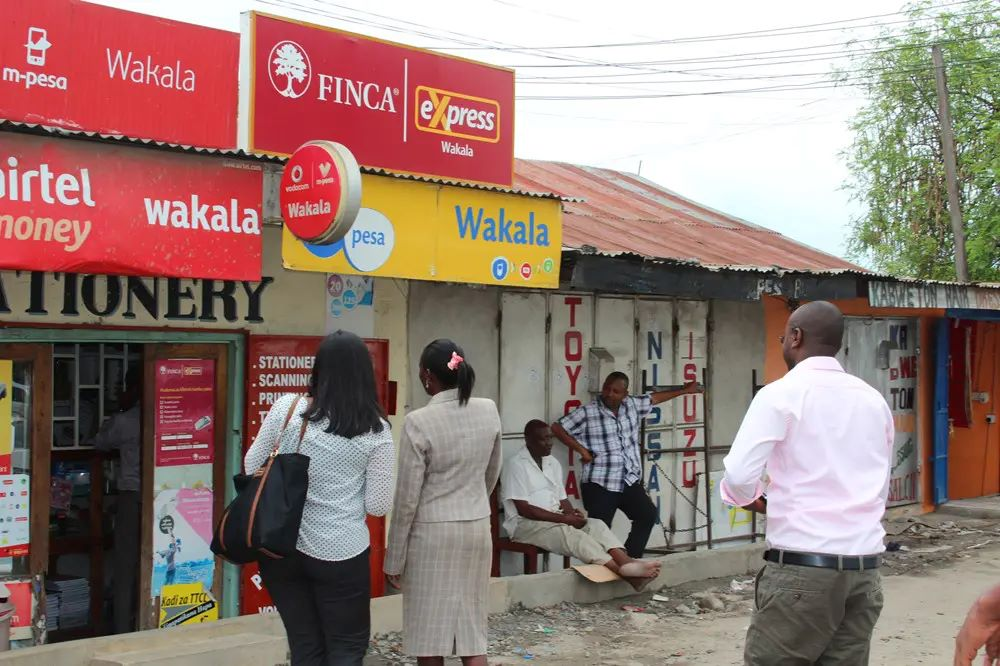
It is bridging the gap between traditional cash-based systems and modern financial tools, allowing citizens to accumulate wealth, protect themselves from financial shocks, and participate more fully in the economy.
From Cash to Digital Savings
Over the past decade, mobile money has transformed the financial landscape in Tanzania. Platforms such as M-Pesa, Tigo Pesa, Airtel Money, and Halopesa have enabled millions of citizens to transact, pay bills, and save digitally, even in rural areas without traditional banking infrastructure.
Beyond convenience, mobile money is actively reshaping Tanzanians’ saving habits, making financial planning accessible to low-income households, informal workers, and youths. It is bridging the gap between traditional cash-based systems and modern financial tools, allowing citizens to accumulate wealth, protect themselves from financial shocks, and participate more fully in the economy.
1. Encouraging Small, Frequent Savings
Traditional banks often discourage low-income households because of minimum balance requirements, formal paperwork, and branch access limitations. Mobile money allows users to save small amounts daily, aligned with irregular income patterns, especially for informal sector workers and farmers.
Platforms also support goal-based saving, enabling families to set aside funds for school fees, groceries, or healthcare. Micro-savings for emergencies are now possible, reducing the need for costly informal borrowing. This democratizes financial planning and encourages consistent saving behaviors, which were previously unattainable for many households.
2. Reducing Cash Handling Risks
Carrying cash exposes Tanzanians to theft, loss during travel, and pressures from informal lenders or friends. Mobile wallets reduce these risks, creating a safer environment for storing funds.
By limiting the physical handling of money, citizens gain peace of mind, which encourages them to retain funds longer and plan for future expenses. This security is particularly important in rural areas, where banking infrastructure is limited and transportation of cash can be risky.
3. Access to Digital Financial Products
Mobile money is no longer just a platform for sending and receiving payments. It now links users to interest-earning savings accounts, microloans, insurance policies, and government disbursements.
This integration enhances financial literacy by familiarizing users with digital banking principles, interest rates, and credit management. Furthermore, exposure to microloans and insurance products provides a pathway for wealth accumulation, risk management, and investment in small businesses, particularly among youth and women entrepreneurs.
4. Facilitating Group Savings and Rotating Funds
Community-based savings groups, such as Viccoba systems, have existed for decades. Mobile money now supports these systems digitally, making contributions and disbursements transparent, timely, and traceable.
This reduces the social pressure to lend or repay in person, lowers the risk of default, and encourages wider participation in group savings. Digitized group savings strengthen collective financial empowerment and can fund community projects, small enterprises, or emergency needs.
5. Challenges: Transaction Costs and Over-Indebtedness
While mobile money has many benefits, there are risks to household savings behavior. High transaction fees can discourage frequent use, while easy access to microcredit can lead to over-indebtedness if borrowers lack financial literacy.
To address these challenges, policy solutions could include:
- Implementing tiered transaction fees to reduce costs for small, frequent transactions.
- Setting credit limits for first-time borrowers to prevent unsustainable debt.
- Running financial literacy campaigns alongside digital product adoption.
Balanced regulation ensures that mobile money enhances saving habits rather than undermines them.
Conclusion: A Transformative Tool for Financial Inclusion
Mobile money is not just a payment platform; it is reshaping the culture of saving in Tanzania. By enabling small, frequent deposits, reducing risks associated with cash, connecting users to digital financial products, and supporting group savings, it empowers households to plan for the future.
With careful regulation, reduced transaction costs, and financial education campaigns, mobile money can strengthen financial inclusion, build long-term household wealth, and create a more resilient economy. It represents one of the most significant tools for bridging the financial gap between formal banking systems and the broader Tanzanian population.
