

The Ranch Reboot: Inside Tanzania’s Push to Modernize Cattle Production
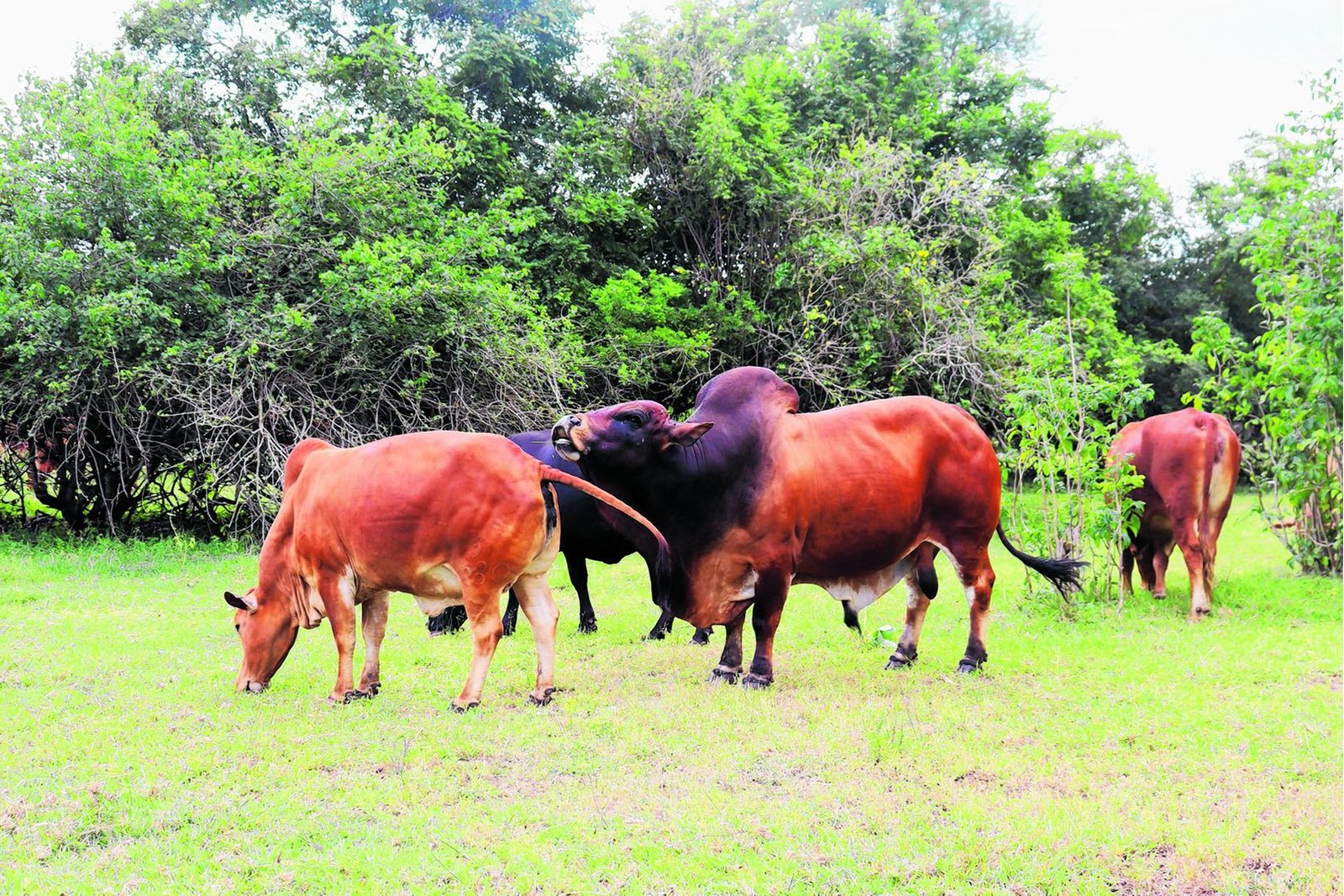
Tanzania is reshaping its cattle industry through a coordinated push to modernize breeding, grazing, and value-chain infrastructure. With one of Africa’s largest herds and a new investment framework under TISEZA, the country is moving from low-yield traditional systems toward a commercially viable livestock economy. For investors, the sector offers scale, underutilized assets and rising regional demand — a combination that signals the beginning of a transformative ranching era.
Tanzania is quietly repositioning itself as one of Africa’s next major livestock economies. After decades of underinvestment, the country is now pursuing a systematic restructuring of its cattle industry, a sector with the scale, ecology and market demand to underpin a new era of commercial ranching. For investors, the shift is not theoretical. It is anchored in policy, supported by demographics and accelerated by institutional reform.
The starting point is simple: Tanzania has the animals, but not yet the productivity. The national cattle herd is one of the largest on the continent, yet the economic returns remain modest. The gap between potential and actual output is a product of old systems, indigenous breeds with low yields, unstructured grazing, limited veterinary coverage and fragmented supply chains. The government’s Livestock Sector Transformation Plan was designed specifically to dismantle these constraints and rebuild the sector around commercial principles.
Its agenda targets the foundations of productivity: improved genetics, regulated grazing, feed production, water infrastructure, disease control and modern extension services. These are the levers that drive yield per animal, lift off-take rates and stabilise supply for processors and exporters. The plan signals a directional shift away from subsistence herding toward a vertically linked livestock economy.
Reform is also happening at the institutional level. The transition from TIC to TISEZA has created a clearer and more functional investment framework. Livestock is now treated as a priority sector with zone-based facilitation, stronger aftercare and incentives that support long-term capital deployment. For ranching and processing investors, this means faster approvals, clearer joint-venture arrangements with public ranches and more predictable regulatory conditions.
This alignment between sector policy and investment facilitation is timely because the market fundamentals are shifting. Urbanisation is accelerating in Dar es Salaam, Dodoma and other major centres, widening the demand for high-quality beef. Retail chains, hotels and regional buyers increasingly require consistent, traceable supply, standards that traditional systems cannot meet. Imports, though small, reflect early signs of a tightening domestic supply gap.
Modern ranching offers the pathway to fill that gap. Investors can capture value by upgrading genetics, finishing cattle in feedlots, developing water systems and integrating operations with slaughter and cold-chain infrastructure. These improvements raise carcass weights, improve quality grades and unlock higher-margin markets.
The public ranch estate provides a natural entry platform. NARCO’s ranches, hundreds of thousands of hectares across strategic regions remain grossly underutilised compared to their design capacity. This underperformance is a direct opportunity: investors who introduce structured grazing systems, breeding programs or feedlots can quickly lift output levels that have been stagnant for decades. Livestock Multiplication Units offer an additional layer of investable land with pre-existing infrastructure and improved breeds.
Downstream, the value chain amplifies the opportunity. Modern abattoirs, cold storage, transport networks and leather processing are all critically undersupplied. This makes ranching not only a land play, but an industrialisation story. As the country shifts toward higher food-safety standards and value addition, investors positioned in processing will benefit from both domestic demand growth and regional export opportunities.
Risk is part of the equation. Climate volatility, disease outbreaks and land-use pressures remain real. But the government’s investment in veterinary labs, insurance pilots, water infrastructure and land regularisation are reducing the unpredictability that held the sector back for years. Investors with disciplined management and long-term horizons will find the risk-reward balance more favourable than at any time in recent memory.
The transformation of Tanzania’s cattle sector will not happen overnight. But the direction is clear. The country is moving from an extensive, low-yield system toward a planned, commercially viable livestock economy. This is the ranch reboot, a recalibration that opens the door for capital to build assets that are scalable, defensible and aligned with rising regional demand.
For investors looking for a real-asset opportunity in a growing market, Tanzania’s livestock sector is no longer waiting to be discovered. It is waiting to be developed.
