

How Tanzanians Can Unlock the Full Potential of Fish Farming

New farmers can begin with backyard ponds or tanks and focus on species like tilapia and catfish, which grow quickly and have strong local demand. Starting small allows farmers to learn techniques without heavy financial risk.
Tanzania is blessed with vast water resources from rivers and lakes to dams and ponds making it an ideal environment for fish farming. Yet, despite this potential, the country still imports a significant portion of its fish, leaving a huge opportunity for local aquaculture. Fish farming, also known as aquaculture, is not just a source of food; it’s a pathway to income, employment, and economic growth.
Why Fish Farming Matters
- Income Generation: Small-scale fish farms can provide a steady source of revenue for households and communities.
- Job Creation: Beyond farming, the sector creates jobs in feed production, transportation, processing, and marketing.
- Food Security: With high demand for fish in local markets, aquaculture helps ensure a steady supply of protein-rich food.
- Reducing Imports: Expanding local fish production reduces dependency on imported fish from countries like Kenya, Denmark, and South Africa.
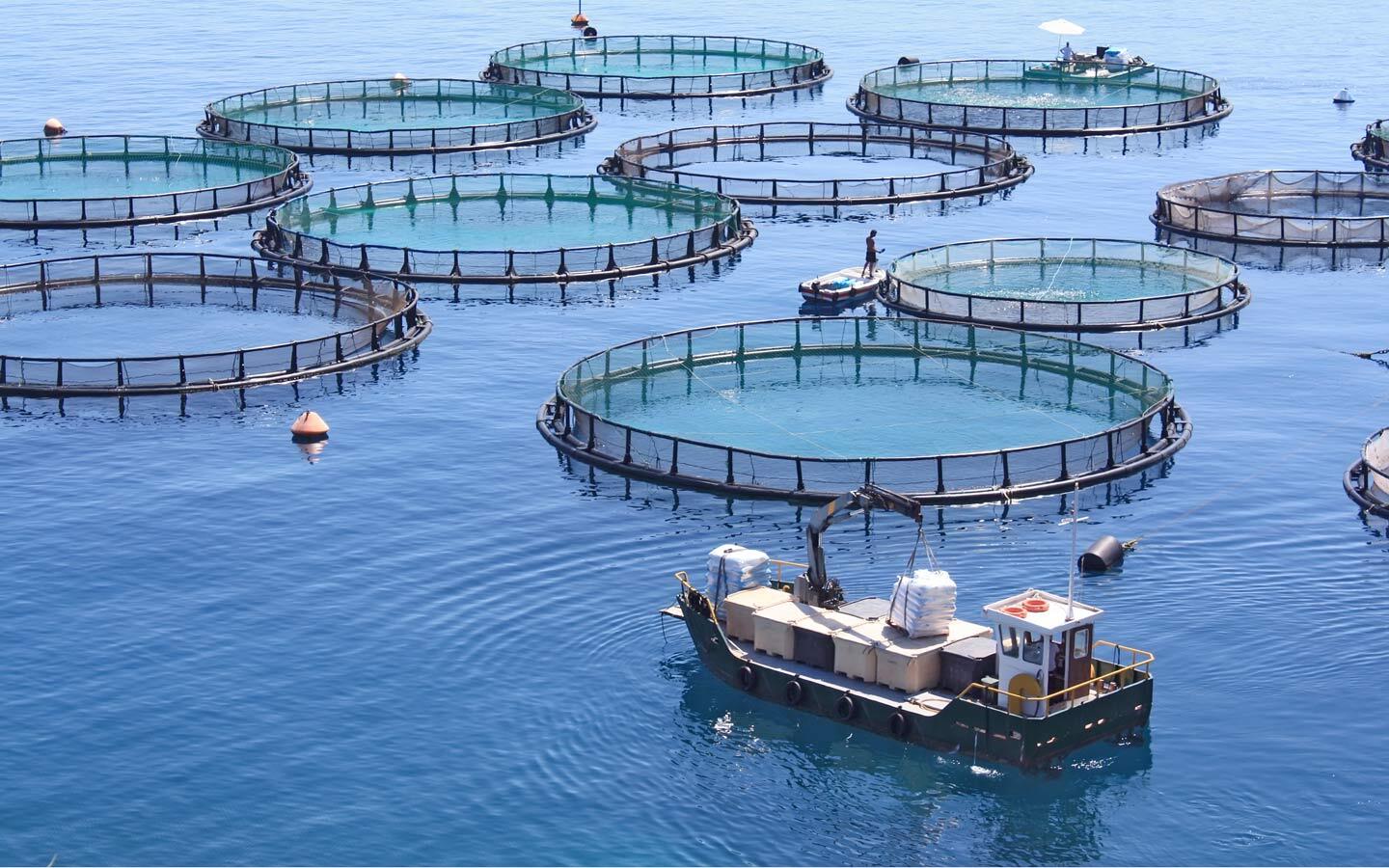
Steps to Tap Into Fish Farming Potential
1. Start Small and Focus on High-Demand Species
New farmers can begin with backyard ponds or tanks and focus on species like tilapia and catfish, which grow quickly and have strong local demand. Starting small allows farmers to learn techniques without heavy financial risk.
2. Use Affordable, Locally Produced Feed
Fish feed is often the biggest cost in aquaculture. Tanzanians can utilize locally available ingredients such as maize bran, rice bran, sunflower cake, and soybean to make nutritious and cost-effective feed. Proper feeding methods also improve growth rates and reduce waste.
3. Access Training and Technical Knowledge
Knowledge is key. Farmers should participate in government extension programs, NGO workshops, or private training initiatives to learn:
- Water quality management
- Fish health monitoring
- Pond maintenance and harvesting techniques
4. Leverage Cooperative Farming and Partnerships
Forming farmer cooperatives enables resource sharing, bulk purchasing of inputs, and collective marketing of fish. Partnerships with private investors or agro-businesses can provide mentorship, funding, and access to larger markets.
5. Secure Financing and Investment
Smallholder farmers often face financial barriers. Microfinance institutions, government grants, and impact investors can provide the capital needed for ponds, cages, or equipment. Farmers can start small and gradually reinvest profits to scale their operations.
6. Improve Infrastructure and Market Access
Fresh fish must reach consumers quickly. Investing in cold storage, proper transport, and market networks ensures better prices and reduces losses. Value addition through smoking, drying, or freezing fish can further increase profits.
7. Adopt Sustainable and Climate-Resilient Practices
Sustainable aquaculture protects the environment while maintaining productivity. Farmers should consider:
- Biofloc systems for clean water and efficient feed use
- Integrated farming combining fish with crops or livestock
- Water recycling and proper pond management
8. Encourage Youth and Women Participation
Fish farming is a sector that can empower youth and women, providing income opportunities and reducing unemployment. Training and small grants for schools, youth groups, and women’s cooperatives can create thriving community-level fish farms.
Conclusion
Fish farming in Tanzania is more than an agricultural activity; it is a strategic opportunity for economic development, food security, and job creation. By combining knowledge, affordable technology, sustainable practices, and access to finance, Tanzanians can transform fish farming into a profitable and scalable industry.
With the right support and investment, Tanzania can reduce fish imports, empower communities, and secure a sustainable future for its aquaculture sector.