

Tanzania’s Blue Economy: An Undervalued Growth Frontier With Continental Scale
Tanzania’s vast water resources — from the Indian Ocean coastline to the Great Lakes — position the country as one of Africa’s strongest yet most underdeveloped fisheries and aquaculture markets. With annual fish production of over 340,000 tons and millions dependent on the sector, the blue economy offers untapped potential in deep-sea fishing, aquaculture, processing and cold-chain logistics. Investment gaps, not natural limits, are holding back a sector with continental-scale opportunity.
Tanzania’s geography gives it a strategic advantage few African countries can match. With a total surface area of 945,037 square kilometres, the country is defined not only by its landmass but by an enormous wealth of water resources. Freshwater lakes, rivers and wetlands cover more than 54,000 square kilometres. Along the Indian Ocean, Tanzania commands a 1,424-kilometre coastline, a Territorial Sea of 64,000 square kilometres and an Exclusive Economic Zone spanning 223,000 square kilometres. These assets position the country as one of Africa’s most naturally endowed fishing and aquaculture economies, a foundation that remains significantly underdeveloped relative to its potential.
The scale of the fisheries sector is already notable. Tanzania ranks among the top 10 African nations for total capture fisheries production, with annual output of approximately 341,000 tons. The industry contributes about 1.4 percent to GDP and more than 10 percent of the country’s foreign exchange earnings. Between 2005 and 2010, fish and fishery products generated roughly USD 195 million annually in export receipts, underscoring the sector’s importance in external trade.
Employment figures reflect its role in the wider economy. More than 177,000 people work as full-time fishers, while an estimated four million Tanzanians rely on fisheries-related activities, from trading and processing to boat repair and aquaculture services. This makes the blue economy one of Tanzania’s largest rural and coastal livelihood systems.
Yet despite this strong base, the sector remains far below its natural capacity. The resource endowment is vast. Tanzania shares three of Africa’s Great Lakes, Victoria, Tanganyika and Nyasa, placing the country at the heart of one of the world’s richest freshwater zones. These lakes support diverse fish species, deep-water ecosystems and commercial stocks with high export value. Meanwhile, the Indian Ocean coastline and expansive EEZ offer substantial opportunities in deep-sea fishing, mariculture, cold-chain logistics, seafood processing and regional shipping.
The constraints are not ecological. They are structural. Limited investment in modern fishing vessels, hatcheries, aquaculture feed, processing plants and cold storage reduces the quality and volume of market-ready products. Much of the country’s fish is sold fresh and unprocessed, limiting export value and exposing producers to post-harvest losses. Weak enforcement of sustainable fishing practices has also constrained long-term planning and management.
For investors, these gaps translate into clear opportunities.
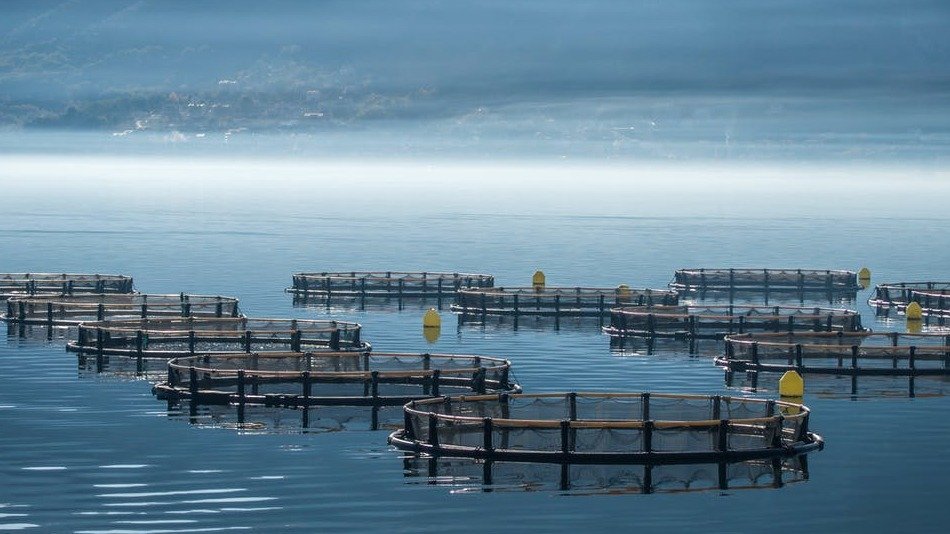
Aquaculture, especially farmed tilapia, catfish and high-value species remains underdeveloped despite strong domestic demand. Cold-chain expansion could transform both inland and coastal supply systems, reducing spoilage and enabling premium markets. Modern processing plants tied to export standards would unlock higher-margin international sales. Deep-sea fishing, supported by upgraded port infrastructure, could elevate Tanzania’s role in regional tuna and prawn value chains.
The economic case extends beyond direct output. Fisheries can power industrial linkages in ice production, packaging, logistics, boatbuilding, net manufacturing and feed production. Coastal tourism also benefits from cleaner marine ecosystems, improved waterfront infrastructure and integrated blue-economy planning.
The country’s geographic position further strengthens the investment narrative. Sitting at the crossroads of the Western Indian Ocean, Tanzania is strategically located for regional seafood exports to the Middle East, South Asia and the fast-growing East African consumer market. With rising urban incomes and shifting dietary patterns, demand for affordable protein sources is expanding steadily.
The momentum toward blue-economy development is also supported by policy direction. The government has prioritised fisheries and aquaculture within national development agendas, recognising their importance for food security, industrialisation and foreign exchange stability. Efforts to improve licensing, enhance resource management and promote investment through TISEZA are gradually improving the operating environment.
Tanzania’s fishing economy is not simply a traditional sector; it is an under-capitalised industrial frontier with continental scale. The resources are abundant, the markets are expanding and the investment gaps are wide enough to offer strong returns to early movers. As infrastructure, management and technology catch up to the country’s natural advantages, the blue economy is poised to become one of Tanzania’s most dynamic engines of economic growth.
For strategic investors, the opportunity lies in transforming natural waters into productive value chains, from inland aquaculture to marine processing. In a country with unmatched aquatic resources, the next phase of growth will belong to those who build the systems that unlock the full power of Tanzania’s water economy.
