
Cold Chains, Abattoirs and Logistics: The Infrastructure Tanzania Needs for a Modern Meat Industry
Ready
Tanzania’s livestock sector has the animals, but lacks the infrastructure needed to produce consistent, high-quality meat. The gaps in cold chains, modern abattoirs and efficient logistics limit both domestic supply and export potential. As TISEZA pushes for value-addition and higher standards, investors have a timely opportunity to build the systems that transform livestock into premium market-ready products and unlock the next phase of growth in the meat industry.
Tanzania’s livestock story is often told through herd sizes and grazing potential, but the real commercial bottleneck sits further down the value chain. The country has the animals. What it lacks is the infrastructure that turns livestock into high-value, market-ready products. For investors assessing the sector’s true potential, the most strategic opportunities lie in cold-chain systems, abattoirs, and logistics, the backbone of any modern meat industry.
The fundamentals make the case clear. Tanzania maintains one of the largest cattle populations in Africa, yet most slaughtering still occurs through informal or low-capacity facilities. According to sector assessments, many abattoirs across the country operate at limited or inconsistent throughput due to outdated equipment, weak hygiene standards and unreliable cold storage. These constraints depress the quality of red meat, reduce exportability and undermine investor confidence in downstream value addition.
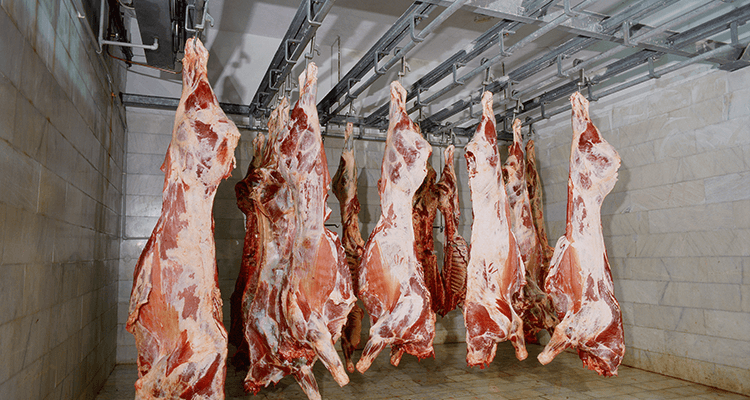
Cold-chain logistics are the missing link. A modern livestock economy depends on temperature-controlled movement from slaughterhouse to market. Without this system, meat quality deteriorates quickly, forcing producers to sell at lower prices and limiting access to formal retail channels. In Tanzania, cold trucks, chilling rooms and integrated storage facilities remain scarce, particularly outside major cities. As a result, even ranches that can produce high-grade beef struggle to capture premium markets simply because they cannot guarantee a fully controlled supply chain.
This is an avoidable loss and a clear investment opening. Cold-chain development is capital-intensive, but the returns are well documented across emerging markets. Once a region’s cold-chain coverage improves, carcass grades rise, food safety improves, market prices climb and export opportunities expand. Tanzania’s rapidly growing urban centers are already demanding better quality meat products. Without cold-chain expansion, the country will continue to rely on informal supply patterns that cannot serve the modern retail and hospitality sectors.
Modern abattoirs offer a second major avenue for investors. The country’s current landscape ranges from municipal slaughter slabs to a few mid-sized facilities, many running with outdated equipment and insufficient capacity. The gaps are technical: limited refrigeration, poor waste management, inconsistent water supply, and inadequate traceability systems. These deficiencies lock Tanzania out of high-value regional and international markets, even though demand for East African beef continues to rise.
A well-designed abattoir that integrates proper chilling, grading, deboning, packaging and quality assurance can transform supply economics almost immediately. It also becomes an anchor for surrounding production zones. Ranches gain a reliable buyer, feedlots can plan off-take cycles and processors can standardize product lines. With TISEZA now streamlining approvals and incentivizing value addition, abattoir investment is entering a more predictable policy environment than in previous years.
Logistics completes the picture. Tanzania’s livestock-producing regions are often remote, with long transport routes to urban markets and coastal ports. Livestock transport remains dominated by open trucks, leading to animal stress, weight loss and reduced carcass quality. Investments in livestock transport systems, including specialized trucks, holding yards and route-based cold depots, can eliminate these inefficiencies. They also create ancillary revenue opportunities through aggregation, assembly, and distribution services for ranchers and traders.
The combined effect of modern logistics, cold-chain systems and abattoirs is transformative. Together, they create the conditions for Tanzania to meet modern food-safety standards, reduce post-slaughter losses, unlock export potential and support a commercially viable red meat sector. Without them, productivity gains at the ranch level will continue to leak value before meat reaches the consumer.
The shift from TIC to TISEZA strengthens the investment case. Special Economic Zones and agro-processing clusters are being positioned to host cold rooms, packing facilities, slaughterhouses and distribution hubs, backed by incentives that reduce both startup and operational risk. This alignment between policy and infrastructure demand is precisely what the livestock economy has lacked.
For investors, the opportunity is clear. Tanzania does not need more cattle. It needs the systems that transform cattle into market-grade products. The country’s meat industry will not modernize on the strength of production alone. It will modernize when the infrastructure behind the product catches up with demand.
The investors who focus on these enabling assets, the cold chains, the abattoirs, the logistics platforms, will shape the future of Tanzania’s livestock economy. In an environment where demand is rising and supply chains are still largely informal, the upside is not just attractive. It is structural.
 Uchumi360
Business Intelligence
Uchumi360
Business Intelligence
Uchumi360 covers business, investment, and economic policy across East, Central, and Southern Africa.
For the serious reader
You read to the end. That places you in a small group.
Uchumi360 is built for readers who demand precision over speed, structure over sentiment, and analysis that holds uncomfortable conclusions rather than softening them. If this work sharpens how you think about Africa's economy, help us keep building the infrastructure behind it.
Institutional Partners
Commission intelligence. Shape the conversation.
Uchumi360 works with development finance institutions, investment firms, sovereign bodies, and strategic organisations across the coverage region. Institutional partnership unlocks:
- Commissioned sector and country intelligence reports
- Branded research series under your institution's authority
- Exclusive data briefings for internal strategy teams
- Speaking and editorial presence at Uchumi360 events
- Co-published investment outlooks for your markets
Support Our Work
Independent analysis has a cost. Help us bear it.
Uchumi360 does not carry advertising. It does not take editorial direction from sponsors. Every article is produced without commercial compromise. Your contribution funds the reporting, research, and editorial infrastructure that keeps this analysis free from influence.
Secure checkout: One-time and monthly support are processed securely. Add payment credentials to enable checkout here.
Stay Connected
Keep up with every new insight.
Follow our latest analysis, policy coverage, and market intelligence as soon as it is published. If you need something specific, reach out directly and we will point you to the right research.
