

How Tanzania Can Stop Importing Milk and Fully Harness Its Livestock Potential
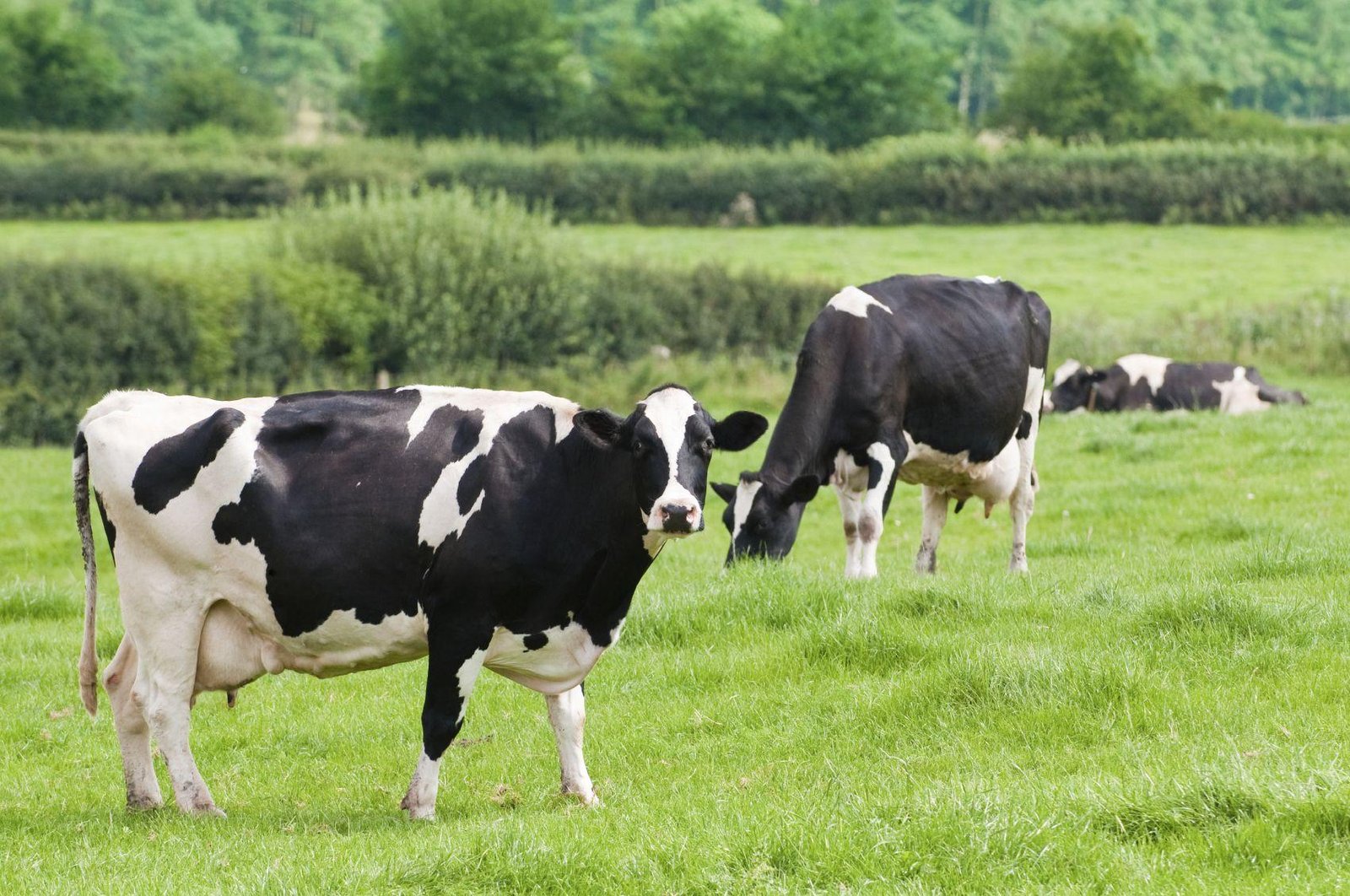
Tanzania has the livestock numbers, but not the productivity per animal. By implementing a holistic strategy improving genetics, feed, animal health, cold chain, processing infrastructure, and market integration, the country can: Stop importing milk, Increase incomes for smallholders and commercial farmers, Meet domestic demand sustainably, Become a regional dairy hub in Africa.
Despite being the second-largest livestock country in Africa after Ethiopia, Tanzania still imports milk and milk products from countries such as South Africa, Denmark, and Kenya. This is surprising because Tanzania has a large population of cows and goats, yet productivity per animal remains low, infrastructure is underdeveloped, and the milk value chain is fragmented.
1. Current Context of Dairy in Tanzania
National milk production in 2023 was around 3.6 billion litres, yet the country continues to rely on imports.
Traditional cows (Tanzania Shorthorn Zebu and Ankole) produce 1–3 litres per cow per day, whereas improved breeds like Friesian, Jersey, and Ayrshire can produce 15–30 litres per day under proper management.
Low productivity, poor feeding, and weak cold chain infrastructure force farmers and processors to depend on imported milk powder and processed milk.
Takeaway: Tanzania has livestock numbers but not productivity addressing this gap is critical to stop imports and improve farmers’ incomes.
2. Short-Term Measures
a) Quick Productivity Wins
- Target high-potential dairy regions: Tanga, Njombe, Iringa, Arusha, Kilimanjaro, Mbeya, Kagera, Songwe.
- Train farmers on silage making, hay storage, and proper feed supplements.
- Promote improved feeding techniques even for smallholder farmers.
b) Strengthen Extension Services
- Establish farmer field schools and demonstration farms.
- Share training through WhatsApp, YouTube, and local radio programs.
- Deploy “lead farmers” who train neighbouring farmers.
c) Reduce Post-Harvest Losses
- Introduce clean milk cans and encourage hygienic milking practices.
- Establish community-based milk chillers for smallholders to reduce spoilage.
d) Affordable Inputs and Credit
- Provide subsidies or microloans for feed concentrates, vitamins, and silage kits.
- Encourage local feed producers to scale up production of high-quality concentrates.
3. Medium-Term Measures
a) Fodder Revolution
- Promote Napier grass, legumes, and maize fodder nationwide.
- Create fodder banks to store feed for dry seasons.
- Encourage crop rotation and agroforestry to improve soil fertility and forage availability.
b) Breeding and Genetics
- Expand access to Artificial Insemination (AI) and quality semen for high-yielding cows.Recommended high-performing dairy breeds for Tanzania:
a. Friesian (Holstein): 15–25 L/day, high milk volume, ideal for commercial farms.
b. Jersey: 12–18 L/day, rich milk with high butterfat, good for smallholder farms.
c. Ayrshire: 12–20 L/day, hardy and disease-resistant.
d. Crossbred Zebu × Friesian or Jersey: 6–15 L/day, resilient to local conditions.
- Establish community bull stations to ensure availability of quality genetics.
c) Animal Health
- Strengthen veterinary services and train community animal health workers.
- Conduct mass vaccination and deworming campaigns, tick control, and mastitis prevention.
- Encourage clean housing and welfare practices to reduce disease impact.
d) Market Integration
- Support cooperatives to negotiate contracts with processors.
- Promote mobile payment systems (M-Pesa, Airtel) to ensure timely payments.
- Establish milk collection centers in rural areas to consolidate production.
4. Long-Term Measures (3–7 Years)
a) Processing and Cold Chain
- Invest in pasteurization, UHT, yoghurt, cheese, and milk powder plants near production clusters.
- Expand cold storage and refrigerated transport to reduce post-harvest losses.
b) Value Addition
- Focus on high-value products: cheese, yoghurt, milk powder, and butter.
- Develop export-ready products for regional markets like EAC and COMESA.
c) Policy & Trade Protection
- Enforce quality standards for imported milk to protect local farmers.
- Offer tax incentives, land access, and electricity subsidies for domestic processors.
- Monitor imports and apply strategic tariffs or trade rules while complying with regional agreements.
5. Cross-Cutting Strategies
Finance and Insurance
Special loans and index-based livestock insurance to protect farmers against drought and disease.
Public-Private Partnerships (PPP)
Encourage private investment in processing, chilling, and input supply.
Research & Innovation
Invest in research through ILRI, Sokoine University, and the Tanzania Dairy Board and translate findings into farmer-friendly guides, videos, and apps.
Conclusion
Tanzania has the livestock numbers, but not the productivity per animal. By implementing a holistic strategy improving genetics, feed, animal health, cold chain, processing infrastructure, and market integration, the country can: Stop importing milk, Increase incomes for smallholders and commercial farmers, Meet domestic demand sustainably, Become a regional dairy hub in Africa.
High-performing cows like Friesians, Jerseys, Ayrshires, and crossbred Zebu cows are key to this transformation.
With policy support, private sector investment, and farmer training, Tanzania can fully exploit its livestock potential and turn dairy into a high-value, profitable sector for everyone farmers, investors, policymakers, and consumers alike.
