

Burundi cut inflation from about 45% in April 2025 to 8.6% a year later after restricting central bank financing of government and tightening monetary conditions. The adjustment restored greater price stability, but weaker credit, scarce foreign exchange and a large exchange rate gap show how much work remains.
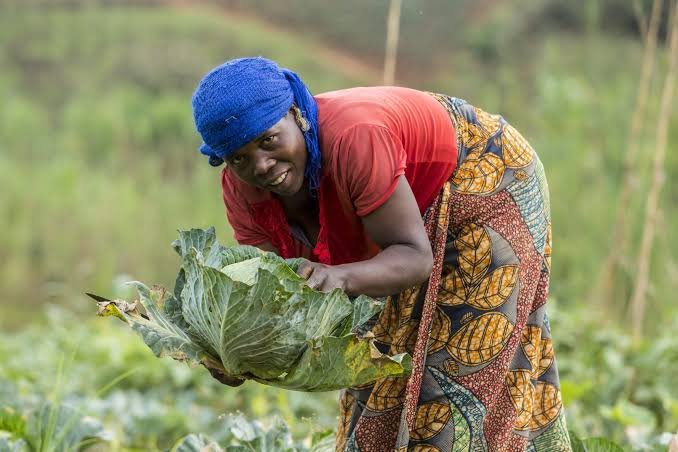
Burundi's government has launched a BIF 300 billion ($100.5 million) credit facility through CRDB Bank Burundi, offering agricultural, livestock and agro-processing investors loans at a 5% annual interest rate, well below prevailing commercial rates in an economy where agriculture generates nearly 40% of GDP and employs 84% of the workforce. The facility targets a real and measurable problem: Burundi's domestic credit-to-GDP ratio trails the African average, and long-term financing for machinery, irrigation and processing equipment has been especially scarce. It arrives, however, at an awkward moment. The IMF's own 2026 Article IV assessment found Burundi's private-sector credit contracting, from 41% of GDP in 2023-24 to 35% in 2025, as government borrowing increasingly competes with private businesses for the same bank balance sheets the new facility depends on.
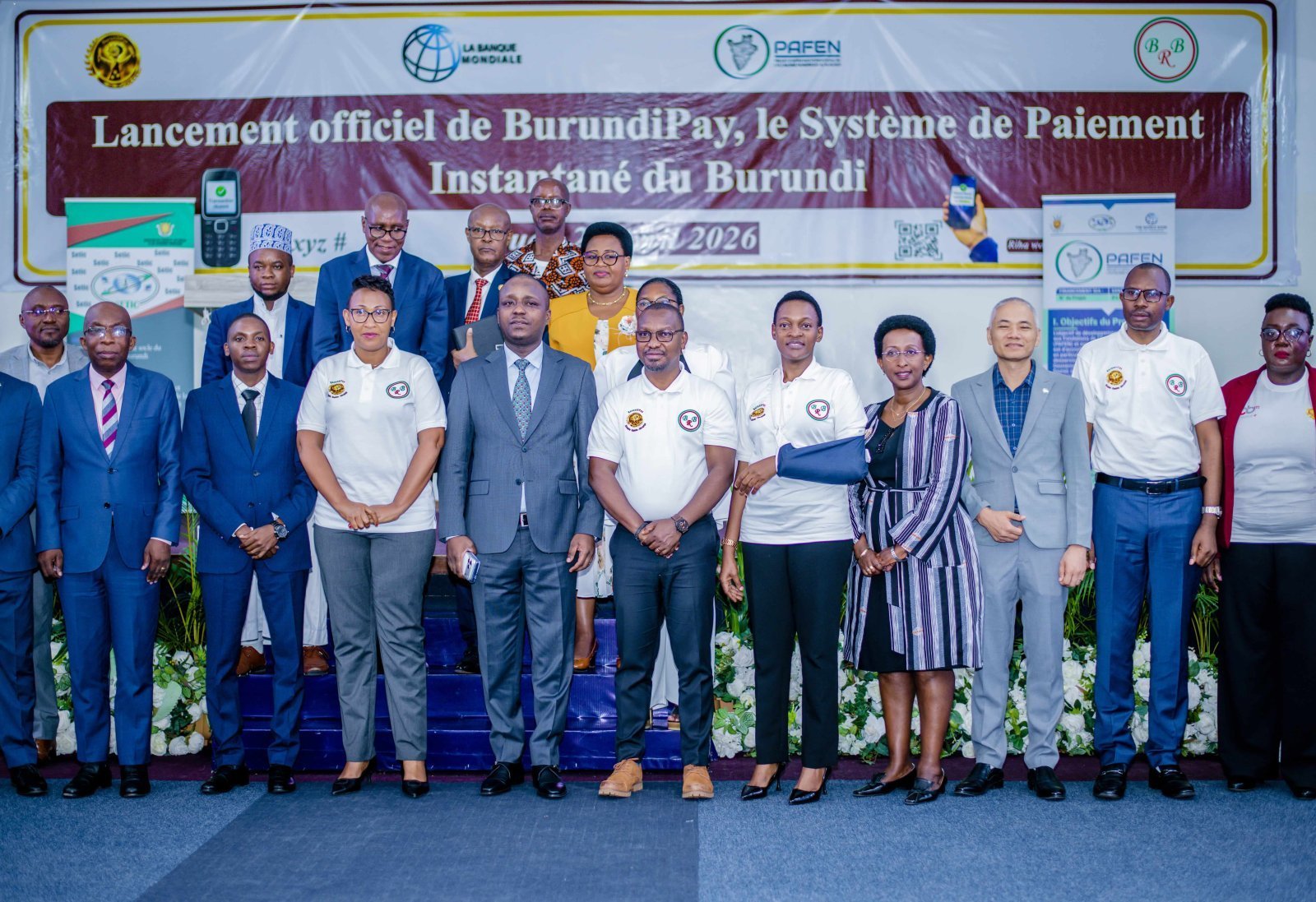
Banque de la République du Burundi launched BurundiPay on 23 April 2026, a national instant payment system built on ISO 20022 international standards and integrated with existing real-time gross settlement systems and automated clearing houses. The platform enables real-time 24/7 transfers between bank accounts and mobile wallets across commercial banks, microfinance institutions, and payment service providers previously operating in siloed systems, eliminating the requirement to withdraw cash before transferring between institutions. It operates on both smartphones and basic USSD-capable phones, addressing Burundi's approximately 30% internet penetration rate with an accessibility design that makes financial inclusion rather than digital adoption the primary metric of success. The World Bank backed the project through the Digital Economy Foundations Support Project, placing Burundi among 22 African countries with instant payment infrastructure. This article reports the launch, situates BurundiPay within Burundi's financial inclusion challenge and the East African regional payment infrastructure landscape, and identifies the adoption conditions whose realisation will determine whether the platform produces the financial integration, digital commerce growth, and transaction transparency that its technical architecture makes possible. Building the infrastructure is the easier part. BurundiPay's success will be measured not in launch announcements but in how many Burundians who have never held a bank account make their first digital transaction through a USSD code on a basic phone in a rural commune.