Julius Nyerere Hydropower Project: A Century of Ambition and Tanzania’s Next Economic Test
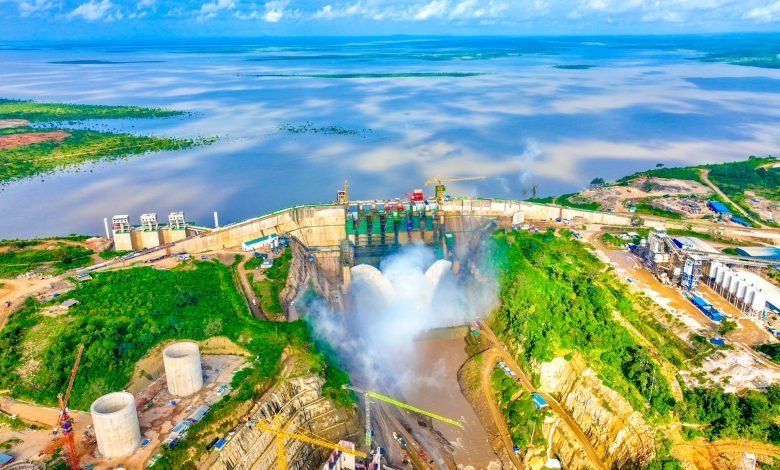
The Julius Nyerere Hydropower Project, 2,115 MW across nine turbines on the Rufiji River, traces back to German and British colonial-era surveys of the site and reached a design scale of roughly 2,100 MW as early as 1980, with support from Norway's NORAD and Norconsult. It was shelved for decades because Tanzania's electricity demand and financing capacity couldn't justify a project of that size. President John Magufuli revived it in 2017, and TANESCO signed a roughly TZS 6.558 trillion (about $2.9 billion) EPC contract with Egypt's Arab Contractors and Elsewedy Electric in December 2018; construction began in 2019, funded almost entirely from domestic government revenue. The first turbine came online in February 2024, and all nine were operational by April 2025, with the Controller and Auditor General reporting 99.35% implementation by December 2024. The project now gives Tanzania more installed capacity than its historical peak demand, shifting the country's central energy question from supply to demand: whether transmission capacity, industrial policy, electricity pricing and investment promotion can convert 2,115 MW into manufacturing, mineral processing, agro-processing and regional electricity trade, rather than simply more consumption without productivity gains.