

China’s Belt and Road Initiative in Tanzania: Blessing or Mystery?
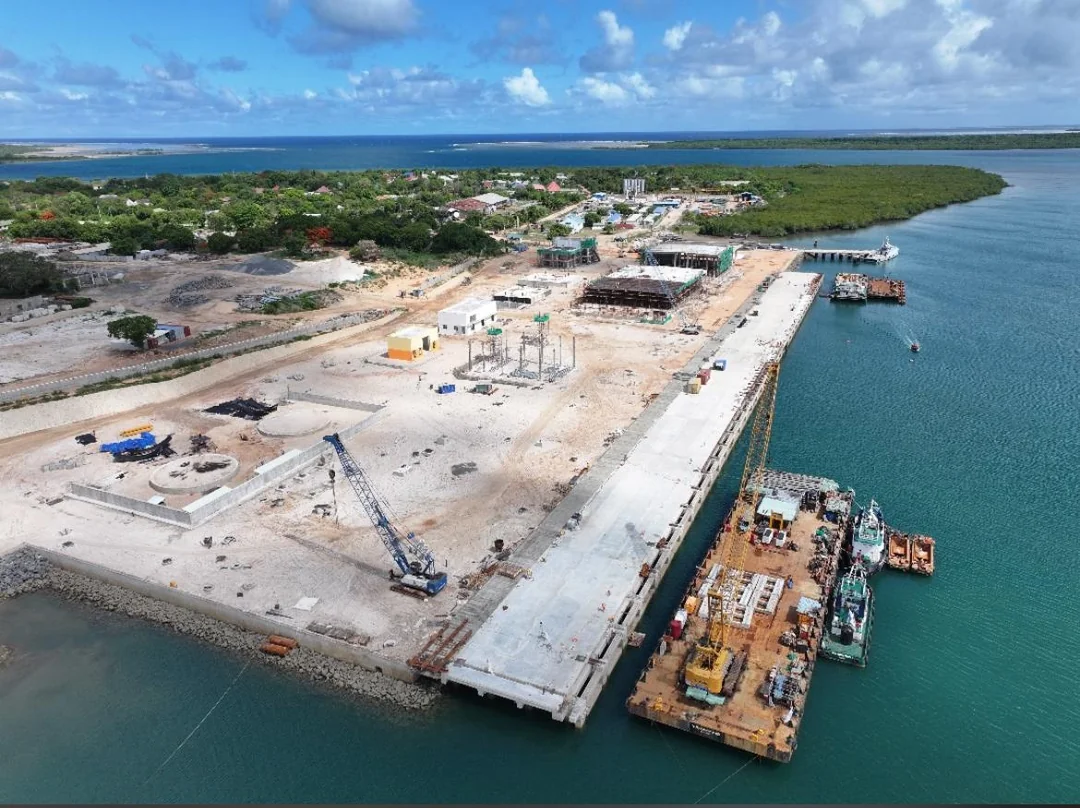
From ports to power projects, railways to real estate, Chinese capital and expertise have reshaped parts of Tanzania’s economic landscape.
When China launched the Belt and Road Initiative (BRI), Tanzania was among the African countries that quickly embraced it. From ports to power projects, railways to real estate, Chinese capital and expertise have reshaped parts of Tanzania’s economic landscape. But as projects roll out, the big question remains: is BRI a blessing for Tanzania, or a mystery we don’t fully understand yet?
Where BRI Feels Like a Blessing
Infrastructure Boom
Kilwa Masoko Fishing Port: A Chinese-built harbour under the BRI, expected to unlock Tanzania’s fisheries sector. For coastal communities, this is not just infrastructure it’s a lifeline to export markets.
Dar es Salaam Port Upgrades: Chinese firms have been part of port modernization, improving efficiency for cargo handling and boosting trade competitiveness.
Energy Expansion
Rumakali Hydropower Project (Njombe): Implemented with Chinese support, this project promises to add hundreds of megawatts to the national grid. More electricity means more industries and jobs.
Job Creation & Skills Transfer
Construction sites for BRI projects employ thousands of Tanzanians. Some gain technical skills in engineering, logistics, and project management that can outlast the projects themselves.
Where BRI Still Feels Like a Mystery
Debt Concerns
Some Tanzanians worry about whether the financing terms of BRI projects are sustainable. Who will repay the billions of dollars borrowed? Will these projects generate enough revenue to cover their costs?
The Bagamoyo Port Project is a prime example. Announced as a flagship BRI investment, it stalled amid debates about loan conditions and ownership rights.
Local Participation
While Chinese companies build, Tanzanian SMEs often feel sidelined. Too much equipment, labour, and expertise are imported from abroad, leaving limited room for local suppliers.
Transparency Questions
Many contracts are signed behind closed doors. Tanzanians hear of billion-shilling projects but rarely see clear details: cost breakdowns, profit-sharing agreements, or risk assessments. This secrecy fuels suspicion.
Sustainability
Some projects raise environmental concerns. Fishing ports, hydropower dams, and railways need careful management to avoid damaging local ecosystems. But how much oversight do Tanzanian authorities really have?
Tanzania has clearly gained from the BRI. The question is whether the long-term benefits will outweigh the long-term obligations.
The Balance Sheet
Blessings: Roads, ports, power plants, jobs, faster trade.
Mysteries: Debt, ownership terms, sidelined local businesses, and opaque deals.
Final Thought
The Belt and Road Initiative is like a fast-moving train: it offers Tanzania speed, infrastructure, and connectivity. But without clear rules on ownership, debt, and local benefits, it risks becoming a train we ride without knowing the destination.
For now, BRI in Tanzania remains both a blessing and a mystery, and the future depends on how transparently our leaders manage these deals.