
Tanzania’s Economic Outlook: Challenges and Opportunities (2025 and Beyond)
Ready
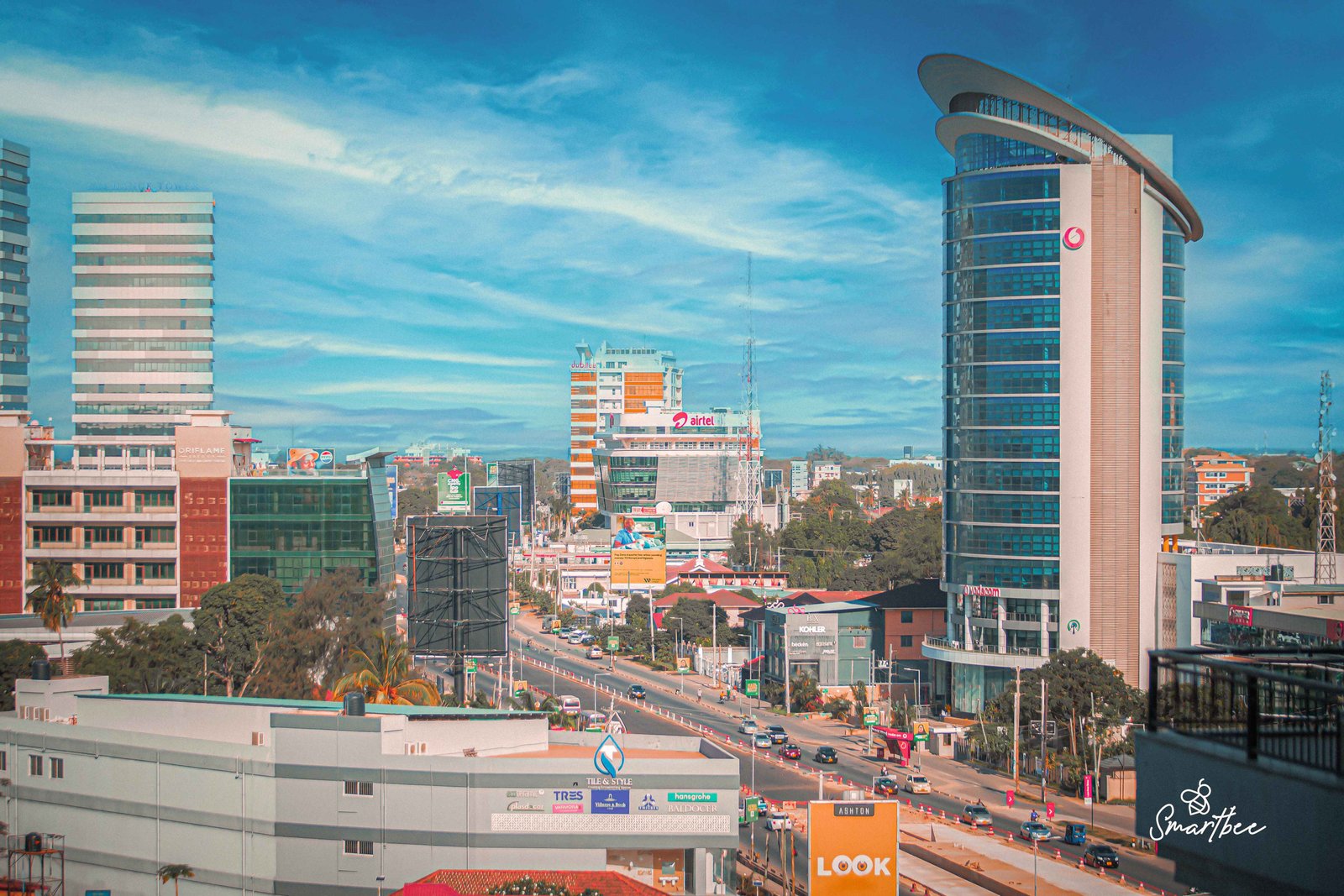
As of 2025, Tanzania is classified as a lower-middle-income country with a GDP per capita of around USD 1,200 (World Bank, 2025). The economy is broad and diversified: agriculture accounts for about 25%, industry 33%, and services dominate the rest.
Tanzania remains one of East Africa’s most promising economies defined by political stability, rich natural resources, and a young, ambitious population ready to shape the future. But the path toward becoming a semi-industrialized, middle-income economy will depend on how effectively the country balances its structural challenges with its emerging opportunities.
Overview: A Decade of Steady Growth
As of 2025, Tanzania is classified as a lower-middle-income country with a GDP per capita of around USD 1,200 (World Bank, 2025). The economy is broad and diversified: agriculture accounts for about 25%, industry 33%, and services dominate the rest.
Growth has remained resilient. In the first quarter of 2025, GDP expanded by approximately 5.4%, and projections show a steady rise to between 5.6% and 6.0% through 2026. Public investments in infrastructure, digital transformation, and tourism recovery continue to fuel this expansion making Tanzania one of Sub-Saharan Africa’s fastest-growing economies.
Key Economic Challenges
a) Slow Industrial Transformation
Agriculture’s share in GDP has fallen from 42% to around 26% over two decades. Yet, the industrial sector has not expanded fast enough to absorb labour or add value to raw exports. The result is a productivity gap where growth occurs without broad-based income improvement.
b) Limited Access to Finance
Tanzania’s tax-to-GDP ratio stands at 11.8% (2023), up from about 10% in 2005, but still below the continental average. This limits public investment and financial inclusion. SMEs and startups face high lending rates and limited access to venture capital — stifling entrepreneurship and job creation.
c) Infrastructure and Skills Gap
Despite flagship projects such as the Standard Gauge Railway (SGR) and the Julius Nyerere Hydropower Project (JNHP), many regions still face power shortages and poor digital connectivity. The mismatch between education output and market skills further deepens youth unemployment.
d) Climate Vulnerability
With over 60% of Tanzanians dependent on agriculture, climate risks droughts, floods, and changing rainfall directly impact food security and exports. The country’s future growth will depend on how effectively it integrates climate adaptation into its economic planning.
e) Bureaucracy and Policy Inconsistency
Lengthy licensing, unpredictable regulations, and administrative delays discourage both local innovators and foreign investors. Tanzania needs predictable, transparent, and pro-business reforms to sustain investor confidence.
f) External Dependence
Reliance on raw exports such as gold, cashew nuts, and coffee makes the economy vulnerable to global price shocks. The lack of large-scale processing industries means the country exports value and imports finished goods widening the trade gap.
Emerging Opportunities
a) Digital Economy Expansion
With mobile penetration above 95% and mobile money usage among Africa’s highest, Tanzania has a fertile foundation for fintech, e-commerce, e-learning, and digital logistics. The digital sector can unlock millions of youth-driven enterprises with low entry barriers.
b) Agricultural Modernization
Mechanization, irrigation, and value addition in agro-processing could transform rural livelihoods. Agritech startups, contract farming, and improved supply chains can triple output while reducing post-harvest losses.
c) Regional Trade and Logistics Hub
The Dar es Salaam Port and new rail and road corridors connect Tanzania to six landlocked neighbours Zambia, Malawi, Rwanda, Burundi, Uganda, and the DRC. With strategic investment, Tanzania could evolve into East Africa’s logistics heart.
d) Tourism and Natural Resource Diversification
The post-pandemic rebound in tourism, combined with mining and gas exploration, provides a path for diversified growth. Sustainable eco-tourism and responsible mining policies can balance economic gain with environmental protection.
e) Energy and Green Investment
The move toward renewables particularly solar, wind, and hydro power offers dual benefits: energy security and climate resilience. Tanzania’s abundant sunlight and hydropower capacity can attract green investors and lower electricity costs.
f) Public Infrastructure Investment
Ongoing megaprojects such as industrial parks, transport corridors, and housing initiatives are reshaping Tanzania’s urban and industrial landscape, positioning the nation as a manufacturing base for East Africa.
g) Human Capital and Innovation
Investing in STEM education, vocational skills, and digital innovation is essential for competing in the Fourth Industrial Revolution (4IR). A skilled, tech-savvy workforce will drive entrepreneurship, productivity, and innovation-led growth.
The Way Forward: Turning Potential into Power
To sustain long-term growth and inclusivity, Tanzania must:
- Accelerate industrialization and expand manufacturing capacity.
- Reform tax and financial systems to favour SMEs and youth innovation.
- Invest in education, technology, and research as economic multipliers.
- Promote green, gender-inclusive, and regional growth strategies.
- Ensure policy consistency, governance transparency, and investor trust.
With these actions, Tanzania can transition from a resource-based economy to a knowledge-driven one, positioning itself as an African model of sustainable development and inclusive prosperity.
Final Thought
Tanzania’s economic journey is not just about GDP numbers it’s about people, resilience, and the vision to transform opportunities into sustainable progress. If harnessed wisely, the next decade could mark Tanzania’s emergence as East Africa’s industrial and innovation powerhouse.
 Uchumi360
Business Intelligence
Uchumi360
Business Intelligence
Uchumi360 covers business, investment, and economic policy across East, Central, and Southern Africa.
For the serious reader
You read to the end. That places you in a small group.
Uchumi360 is built for readers who demand precision over speed, structure over sentiment, and analysis that holds uncomfortable conclusions rather than softening them. If this work sharpens how you think about Africa's economy, help us keep building the infrastructure behind it.
Institutional Partners
Commission intelligence. Shape the conversation.
Uchumi360 works with development finance institutions, investment firms, sovereign bodies, and strategic organisations across the coverage region. Institutional partnership unlocks:
- Commissioned sector and country intelligence reports
- Branded research series under your institution's authority
- Exclusive data briefings for internal strategy teams
- Speaking and editorial presence at Uchumi360 events
- Co-published investment outlooks for your markets
Support Our Work
Independent analysis has a cost. Help us bear it.
Uchumi360 does not carry advertising. It does not take editorial direction from sponsors. Every article is produced without commercial compromise. Your contribution funds the reporting, research, and editorial infrastructure that keeps this analysis free from influence.
Secure checkout: One-time and monthly support are processed securely. Add payment credentials to enable checkout here.
Stay Connected
Keep up with every new insight.
Follow our latest analysis, policy coverage, and market intelligence as soon as it is published. If you need something specific, reach out directly and we will point you to the right research.
