

Geopolitics is Redrawing Tanzania's Trade Map: 3 Key Drivers
Tanzania is leveraging its position as a major trade corridor to rewrite its economic destiny. By investing heavily in infrastructure and skillfully balancing global geopolitical interests, the country is transforming from a traditional partner into a highly selective and assertive regional economic power.
Tanzania, strategically located on the Indian Ocean coast, isn't just watching global and regional geopolitical shifts; it's actively leveraging them to redefine its role as East Africa's premier trade and logistics gateway. From mega-projects to complex diplomatic balancing acts, here are the key geopolitical drivers currently redrawing Tanzania’s trade map.
1. The Race to Become the Regional Logistics Hub
Tanzania is using its geography to aggressively challenge established regional trade corridors. Major infrastructure projects are the physical manifestation of this geopolitical ambition:
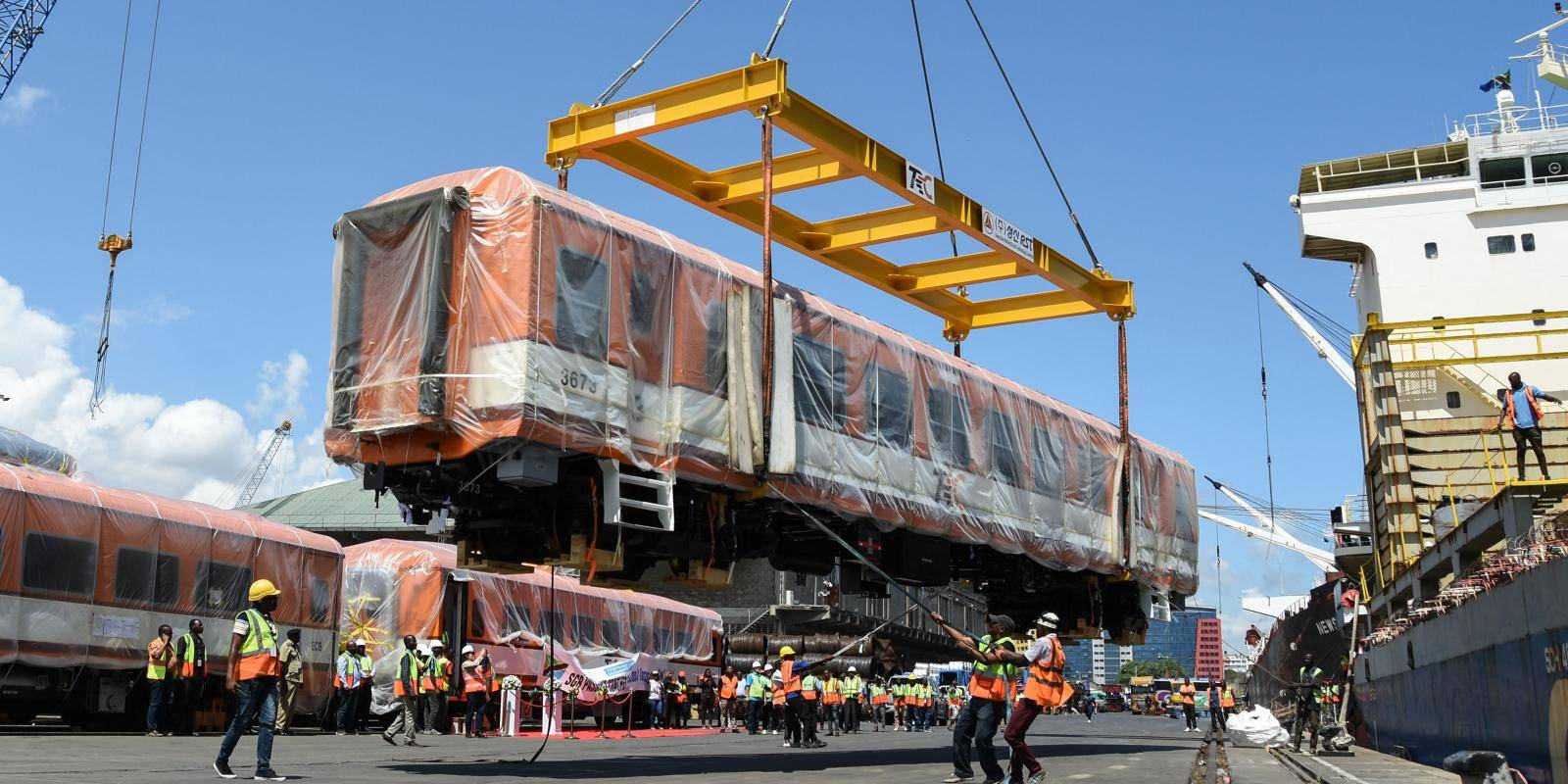
- The SGR Challenge: The construction of the Standard Gauge Railway (SGR) is the flagship project. Designed to connect the Port of Dar es Salaam to landlocked neighbours like Rwanda, Uganda, Burundi, and the Democratic Republic of Congo (DRC), the SGR is intended to be faster and more efficient than older lines. Its completion would fundamentally shift trade patterns, making Tanzania’s Central Corridor the main artery for a vast swath of Central and East Africa.
- Port Modernization: Significant investment in upgrading and expanding the Port of Dar es Salaam is increasing its capacity and efficiency. This aims to reduce cargo handling times, a direct competitive move against regional rivals like Kenya's Port of Mombasa.
- Tanzania’s massive current and planned infrastructure projects are more than just construction they are the physical execution of the country’s geopolitical strategy, designed to increase regional trade competitiveness and redefine East and Central Africa’s trade maps. At the center of this strategy is the goal to become the dominant logistics and industrial hub by creating an efficient multi-port network that offers superior alternatives to traditional regional gateways like Mombasa (Kenya) and Djibouti.
- The Bagamoyo Port project exemplifies this strategy. Supported by Chinese and Omani investors, the port is designed with deep-sea capacity for ultra-large container vessels, integrated with a 9,800-hectare Special Economic Zone, and linked via a 100km Standard Gauge Railway spur to the Kwala Dry Port and the broader rail network. This combination of mega-port, industrial hub, and rapid rail connectivity positions Tanzania to handle high-volume transshipment cargo, reduce congestion issues, and offer faster, more predictable delivery to landlocked neighbors, directly challenging the dominance of regional competitors.
- Beyond Bagamoyo, Tanzania is implementing a coordinated multi-port strategy, upgrading Tanga, Mtwara, Mwanza, Kigoma, Kilwa, and Kalema ports to serve distinct trade corridors efficiently. This network ensures diversification, reduces dependency on single hubs, and strengthens Tanzania’s negotiating leverage with foreign investors. Strategically, these investments enhance Tanzania’s regional economic gravity, pulling trade from Kenya’s Northern Corridor and southern routes, and positioning the country as an indispensable gateway for over eight landlocked nations.
- Energy Corridors: Projects like the East Africa Crude Oil Pipeline (EACOP), which will terminate at the Tanga port, solidify Tanzania's role as a vital link in the continent's energy infrastructure, creating new, strategic trade relationships.
2. Balancing the Great Power Competition (China vs. West)
Tanzania has adopted a pragmatic foreign policy of "economic diplomacy," which involves balancing influence between global powers to secure the best deals and maximum investment.
- China's Deepening Footprint: China remains a dominant partner, particularly in infrastructure financing through the Belt and Road Initiative (BRI). This partnership provides much-needed capital for large-scale projects but requires careful management to avoid debt issues or over-reliance.
- The Western Re-engagement: Following a period of strained relations, President Samia Suluhu Hassan has actively courted renewed investment from the US and Europe. This re-engagement seeks to diversify Tanzania's capital sources, secure access to Western markets, and bring in new technologies. Tanzania's success lies in positioning itself as a strategic prize, allowing it to negotiate more favorable investment terms from all sides.
3. Asserting Economic Sovereignty and Regional Protectionism
Regional and internal political dynamics are shaping who Tanzania trades with and how.
- EAC Tensions: Tanzania has occasionally adopted protectionist policies such as restricting certain imports or tightening border licensesin its trade relations with neighboring countries, particularly Kenya. While framed as protecting local industries, these actions reflect a broader assertion of national economic sovereignty, often leading to temporary friction and a redrawing of informal cross-border trade relationships.
- "Tactical" Independence: Dar es Salaam has been unapologetically tough on global trade deals, famously refusing to sign the EU’s Economic Partnership Agreement (EPA). This stance signals a commitment to long-term industrialization plans, even if it means foregoing short-term benefits, and shows a willingness to pivot away from partners whose terms it views as detrimental to its national interests.
The Bottom Line
Tanzania is leveraging its position as a major trade corridor to rewrite its economic destiny. By investing heavily in infrastructure and skillfully balancing global geopolitical interests, the country is transforming from a traditional partner into a highly selective and assertive regional economic power. This strategic shift is fundamentally redrawing the lines of trade across East and Central Africa.
