

Per Capita Income Surge: CCM's Path to Middle-Income Status
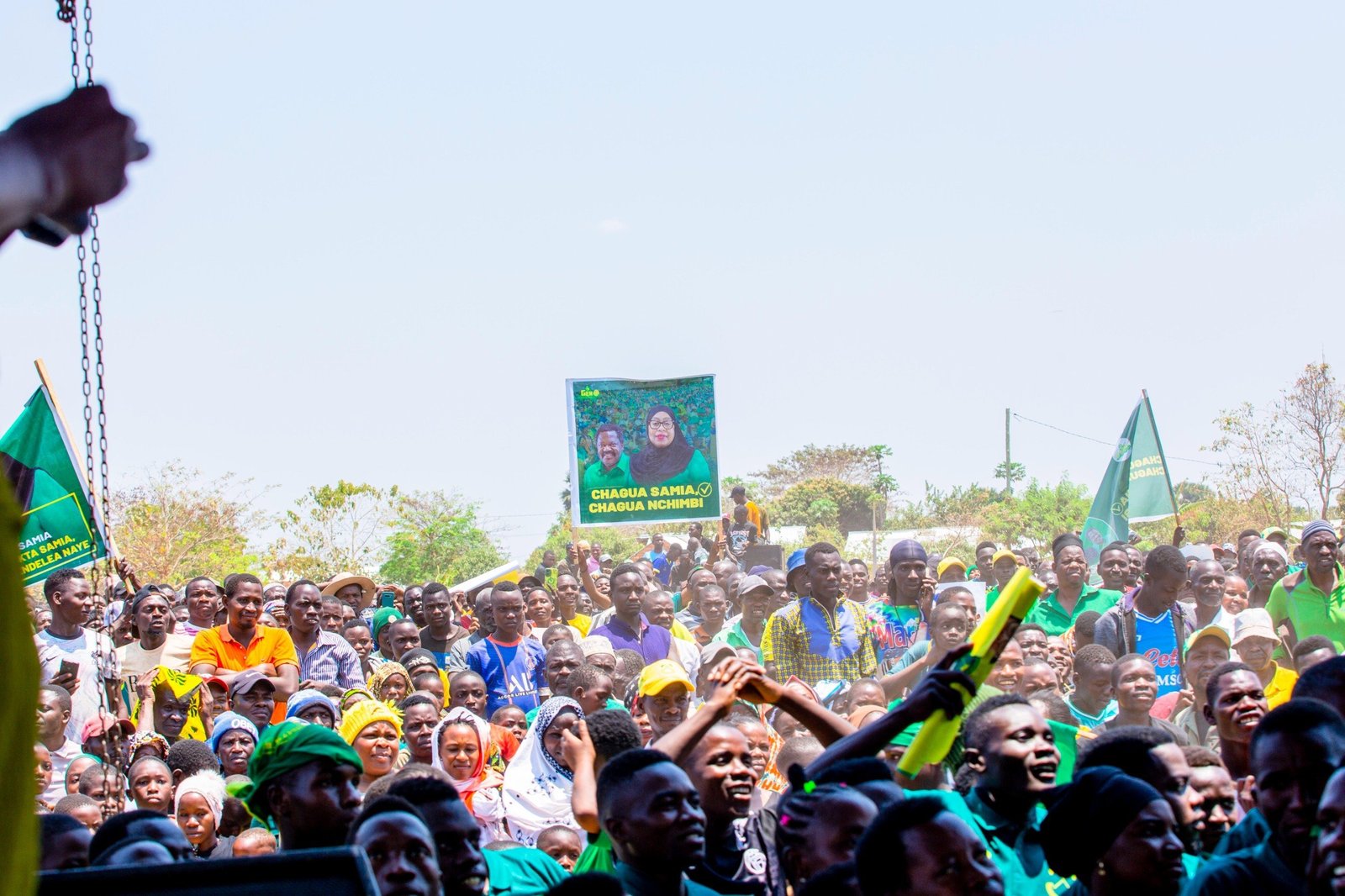
The CCM 2025 manifesto showcases Tanzania's per capita income climbing from $1,104 in 2020 to $1,252 in 2024, with a bold goal of $1,880 by 2030. Fueled by job creation, SME loans, and value addition in agriculture and mining, this vision faces hurdles like skills gaps and climate risks.
By Uchumi360 Economics Desk
DAR ES SALAAM — Tanzania is on the cusp of a transformative economic leap, with the ruling Chama Cha Mapinduzi (CCM) party's 2025 election manifesto spotlighting a significant rise in per capita income as a cornerstone of its vision. The document reports an increase from $1,104 in 2020 to $1,252 in 2024, a 13.4% jump, driven by productivity gains across agriculture, mining, and tourism. CCM pledges to elevate this figure to $1,880 by 2030, aligning with the National Development Vision 2050's goal of achieving upper-middle-income status. But can this ambitious target hold amid global economic uncertainties and domestic challenges?
This growth trajectory reflects Tanzania's strategic focus on inclusive economic policies. The manifesto highlights the creation of 8,084,203 jobs between 2020 and 2024, with 87.96% in the informal sector, and commits to generating 8.5 million more by 2030. A key driver is the allocation of low-interest loans, totaling TZS 99.5 billion for women, TZS 45.1 billion for people with disabilities, and TZS 96.3 billion for youth, aimed at fostering entrepreneurship and broadening the tax base. Independent data from the World Bank corroborates this trend, estimating per capita income at $1,150 in 2020, rising to $1,298 in 2024, with projections suggesting a potential $1,900 by 2030 if growth sustains at 6-7% annually.
Economists view this as a promising shift toward reducing inequality, with Tanzania's Gini coefficient at 0.38 in 2022, according to the World Bank. The manifesto's emphasis on value addition, processing minerals and agricultural products domestically, could mitigate reliance on raw exports, boosting incomes further.
For instance, the blue economy initiative targets fish production to rise from 800,000 tons in 2025 to 2 million tons by 2030, while clove and seaweed exports are set to expand, potentially adding $500 million annually to rural incomes. The International Monetary Fund (IMF) notes that such diversification could lift per capita GDP by 15-20% if paired with infrastructure upgrades like the Standard Gauge Railway (SGR), which has cut logistics costs by 40% in connected regions.
The loan programs are particularly impactful. By targeting marginalized groups, CCM aims to formalize the informal sector, where 65% of the workforce operates. A 2024 study by the Tanzania Private Sector Foundation (TPSF) found that access to credit increased SME revenues by 25% on average, suggesting the manifesto's funds could catalyze a similar multiplier effect. However, the World Bank cautions that without addressing skills gaps, only 10% of Tanzanians have tertiary education, these gains may plateau. The manifesto counters this with plans for vocational training, aiming to upskill 1 million youth by 2030.
Challenges abound. Inflation, though low at 3.1% in 2024, could rise if global commodity prices spike, eroding purchasing power. Climate risks, including droughts that slashed agricultural output by 15% in 2023, threaten food security and rural incomes. The manifesto proposes irrigation expansion from 983,466 hectares in 2024 to 5 million by 2030 and a national food reserve, but implementation hinges on $2 billion in annual investment, a tall order given Tanzania's 40% debt-to-GDP ratio.
Despite these hurdles, the potential is clear. The African Development Bank projects Tanzania could reach $1,850 per capita by 2029 if governance improves and FDI inflows, $1.65 billion in 2023, double by 2030. President Samia Suluhu Hassan's pledge to "eliminate poverty and elevate living standards" resonates with a population where 26% live below the poverty line. If CCM delivers, Tanzania could lift 5 million people out of poverty by 2030, cementing its status as a middle-income nation and a beacon for East Africa.
