

The Role of Economic Forecasting in Tanzania’s National Planning
With them, Tanzania can anticipate challenges, seize opportunities, and allocate resources more efficiently.
Why Forecasting Matters Now
For Tanzania to achieve sustained and stable economic growth, national planning must be grounded in reliable data and future-oriented analysis. Economic forecasting provides policymakers with insights into upcoming trends in inflation, population changes, commodity prices, revenue performance, and sectoral growth. Without accurate forecasts, national strategies become reactive, short-term, and vulnerable to shocks. With them, Tanzania can anticipate challenges, seize opportunities, and allocate resources more efficiently. This makes forecasting one of the most critical pillars in long-term economic planning.
1. Predicting Revenue and Budget Needs
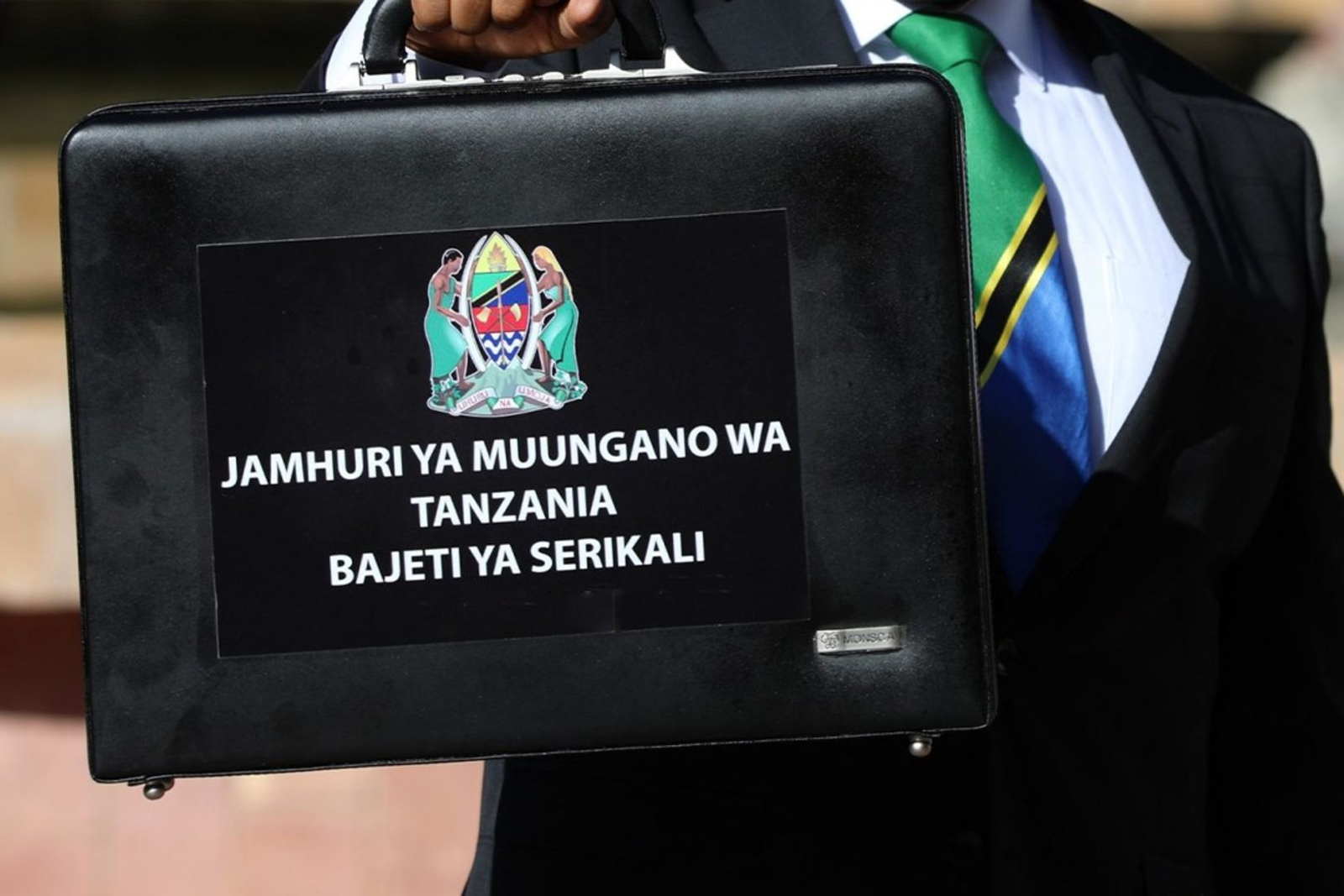
Economic forecasting plays a central role in shaping Tanzania’s national budget. It allows the Ministry of Finance to estimate future tax revenues, expenditure priorities, and potential financing gaps. For instance, when projections indicate a decline in export earnings due to falling global commodity prices, the government can adjust spending early to avoid unplanned deficits. On the other hand, when forecasts show rising economic activity such as expanding manufacturing or improving tourism, planners can allocate more funds to development projects in education, health, transport, and energy.
Forecasting also helps agencies like TRA set realistic revenue collection targets, preventing overly ambitious projections that disrupt budget execution. Without accurate forecasts, Tanzania risks unrealistic budgets, unexpected deficits, and limited fiscal space for development.
2. Managing Inflation and the Cost of Living
Inflation forecasting is essential for protecting household purchasing power and ensuring macroeconomic stability. By predicting changes in food, fuel, and global commodity prices, policymakers can design timely interventions. For example, if weather models forecast drought conditions, which could push food prices higher, the government can allocate funds for irrigation, strategic grain reserves, or import stabilization ahead of time.
Similarly, when global oil markets signal rising fuel prices, planners can explore temporary subsidies, adjust tax policies, or accelerate investments in renewable energy. Through these forward-looking actions, Tanzania reduces the risk of sudden price spikes, stabilizes household incomes, and protects vulnerable populations.
3. Guiding Industrial and Sectoral Priorities
Forecasts are crucial for determining which sectors should receive incentives, skills development, and investment. Tanzania’s economy shows different growth trajectories across sectors:
- Agriculture remains the largest employer but grows slowly.
- ICT, digital trade, and fintech are expanding rapidly as digitalization increases.
- Mining, natural gas, and energy remain volatile and dependent on global demand and prices.
By analyzing these trends, planners can direct resources to high-growth sectors, support industrial diversification, and guide youth training programs to match future labor market needs. This helps Tanzania shift toward a more productive, knowledge-driven economy.
4. Planning Infrastructure with Long-Term Vision
Large infrastructure investments require decades of planning, and forecasting ensures they meet future demand not just today’s needs. Population projections, urbanization rates, and energy consumption forecasts guide decisions in housing, transportation, water systems, and electricity generation.
For example, anticipating future electricity demand helps TANESCO avoid power shortages by investing early in new plants, transmission lines, and renewable energy. Urban growth forecasts shape strategies for affordable housing, waste management, and public transport to prevent overcrowding. Climate forecasting also shapes investments in drought-resistant agriculture, flood control, and water conservation, ensuring long-term resilience.
5. Supporting Private Sector Decision-Making
A strong forecasting framework benefits not only the government but also the private sector. When clear and reliable economic forecasts are publicly available, investors gain clarity on market conditions, policy direction, and future demand trends. Businesses can plan expansions, adjust pricing strategies, and manage supply chains with confidence.
Consistent, transparent forecasting reduces uncertainty one of the biggest barriers to private investment. It signals stability, strengthens investor trust, and positions Tanzania as a predictable environment for both local and foreign investors.
Conclusion: Tanzania Needs a Forecasting Culture
For Tanzania to strengthen national planning, it must invest heavily in robust data systems, advanced modeling tools, stronger coordination among ministries, and regular public economic outlook reports. A forecasting-driven culture enables the government to plan with precision rather than assumptions supporting economic stability, efficient resource allocation, and long-term growth. In a rapidly changing global economy, forecasting is not optional; it is a strategic necessity for shaping Tanzania’s development future.
