

Fiscal Discipline or Public Spending Expansion, Which Path Is Tanzania Taking?
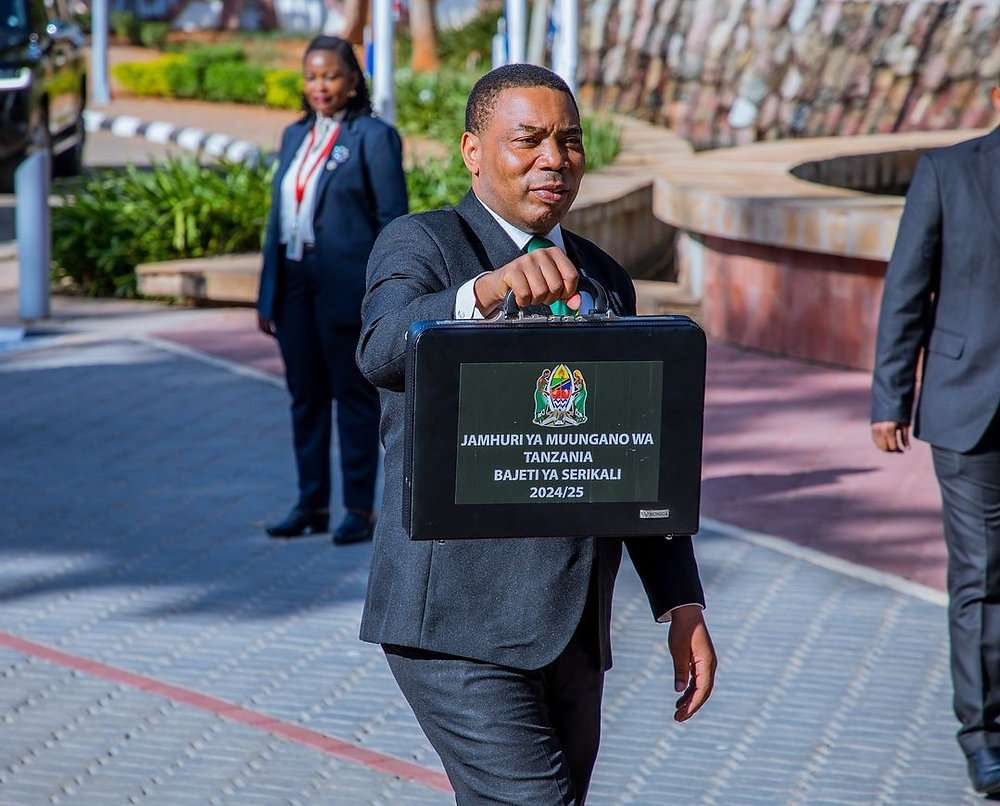
Public debt sits at the center of the debate. Borrowing for productive, high-return investments can strengthen long-term growth. Borrowing for inefficiency, delays, or recurrent expenditure does the opposite.
Balancing development ambitions with financial sustainability
Tanzania’s fiscal strategy sits at a delicate intersection. The government speaks the language of fiscal discipline, deficit control, debt sustainability, and revenue mobilization while simultaneously expanding public spending to meet development demands. Infrastructure, energy, social services, and industrial ambitions require capital. The question is no longer whether to spend, but how to spend without destabilizing the economy.
Fiscal Discipline: Stability as a Policy Asset
Fiscal discipline has anchored Tanzania’s macroeconomic credibility. Efforts to strengthen tax collection, control recurrent expenditure, and manage public debt have helped preserve investor confidence and protect the economy from external shocks.
In an uncertain global environment, discipline has acted as a buffer, preventing excessive borrowing and preserving policy flexibility.
Why Public Spending Expansion Feels Unavoidable
At the same time, Tanzania’s development gaps are structural. Roads, ports, power supply, water systems, healthcare, and education require long-term public investment. Without expansionary spending, productivity growth and private-sector competitiveness remain constrained.
Public investment has therefore been positioned not as consumption, but as a growth catalyst meant to unlock future revenues rather than burden future budgets.
The Hybrid Strategy in Practice
Rather than choosing one path, Tanzania is pursuing a blended approach:
- Maintaining macro-fiscal discipline
- Expanding spending in priority sectors
- Leveraging public–private partnerships
- Favoring concessional and blended financing
- Improving project selection and monitoring
This strategy aims to grow the economy without compromising fiscal sustainability. Its success depends entirely on execution quality.
Debt: Tool or Threat?
Public debt sits at the center of the debate. Borrowing for productive, high-return investments can strengthen long-term growth. Borrowing for inefficiency, delays, or recurrent expenditure does the opposite.
The critical issue is not debt levels alone, but debt productivity whether today’s borrowing expands tomorrow’s economic capacity.
Political and Institutional Pressures
Fiscal policy operates within political reality. Public expectations, demographic pressures, and electoral cycles all influence spending decisions. This makes strong institutions, transparent budgeting, and credible fiscal frameworks essential to prevent short-term pressures from undermining long-term stability.
Tanzania is neither austerity-driven nor fiscally reckless. It is attempting a strategic balance using public spending to drive development while guarding against fiscal excess. The outcome will depend less on budget size and more on spending efficiency, institutional discipline, and economic returns.
The real test is not how much the government spends, but whether that spending builds a stronger, more resilient economy.
