

Tanzania's Food Inflation: An In-Depth Analysis for August 2025
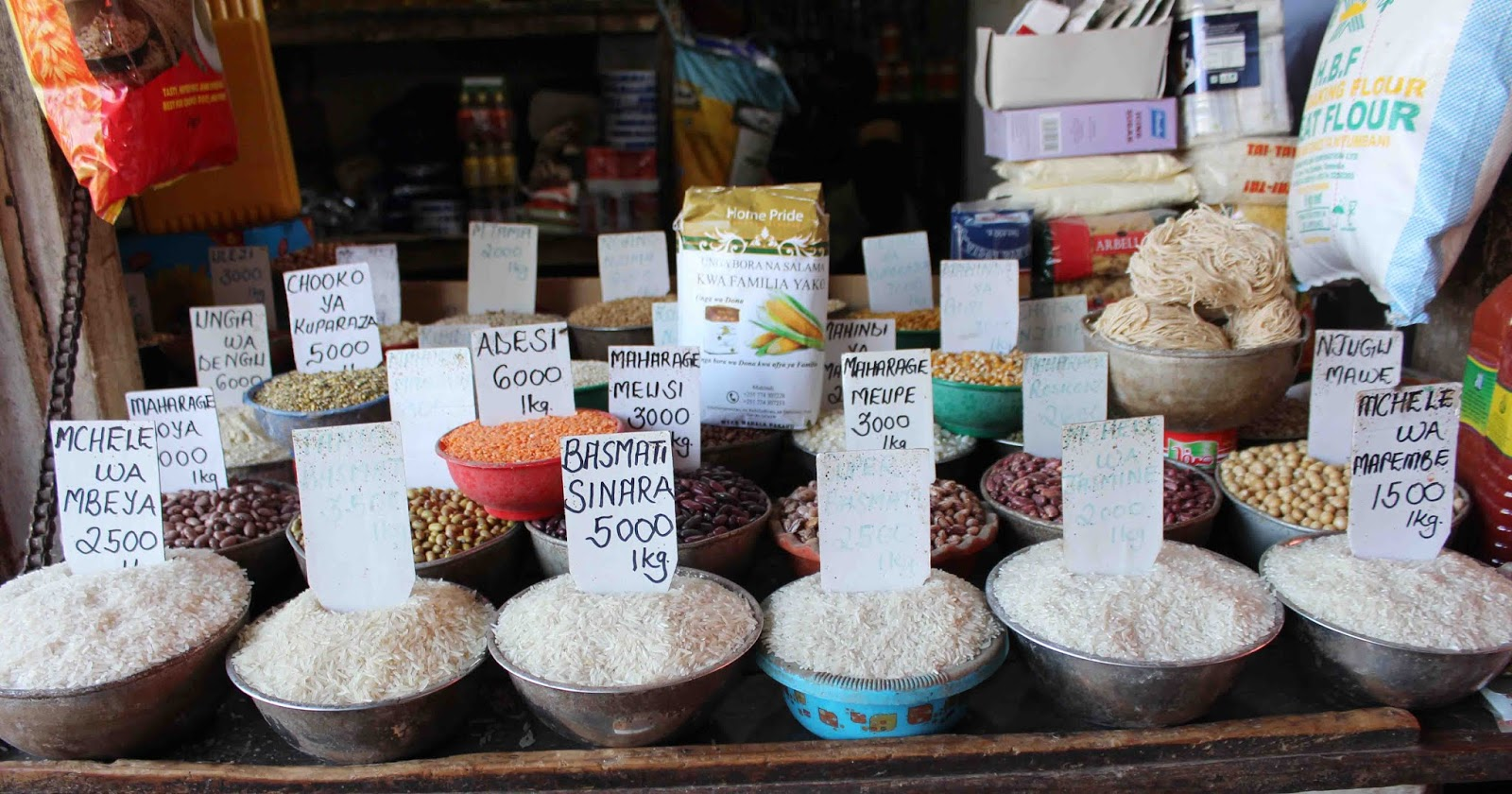
In August 2025, Tanzania's headline inflation rate stood at 3.4%, a slight increase from 3.3% in July. This stability aligns with the Bank of Tanzania's target range of 3–5%.
In August 2025, Tanzania's headline inflation rate stood at 3.4%, a slight increase from 3.3% in July. This stability aligns with the Bank of Tanzania's target range of 3–5%.
However, a closer examination reveals that food and non-alcoholic beverages inflation was notably higher at 7.7%, more than double the headline rate.
Key Drivers of Food Inflation
The significant rise in food prices is attributed to several factors:
- Supply Chain Disruptions: Global events and local challenges have disrupted supply chains, leading to shortages and increased costs.
- Currency Depreciation: A weaker Tanzanian shilling increases the cost of imported food items, contributing to higher prices.
- Fuel Price Increases: Rising fuel costs elevate transportation expenses, which are passed on to consumers in the form of higher food prices.
- Climate Variability: Unpredictable weather patterns affect agricultural yields, leading to supply shortages and price hikes.
Impact on Households
Food and non-alcoholic beverages constitute a significant portion of the Consumer Price Index (CPI) basket, with a weight of 28.2%. The 7.7% annual increase in food prices directly impacts household budgets, especially for low-income families who spend a larger share of their income on food.
Policy Implications
To address the rising food inflation, the government and relevant authorities may consider:
- Enhancing Agricultural Productivity: Investing in irrigation, improved seeds, and training for farmers to increase food supply.
- Strengthening Supply Chains: Improving infrastructure to reduce transportation costs and minimize disruptions.
- Monetary Interventions: Implementing policies to stabilize the currency and control inflationary pressures.
Conclusion
While Tanzania's overall inflation remains within the target range, the elevated food inflation rate requires immediate attention. Addressing the underlying causes and implementing strategic policies can help mitigate the impact on households and ensure economic stability.
