

Why and How Governments Control Markets: Lessons from Tanzania
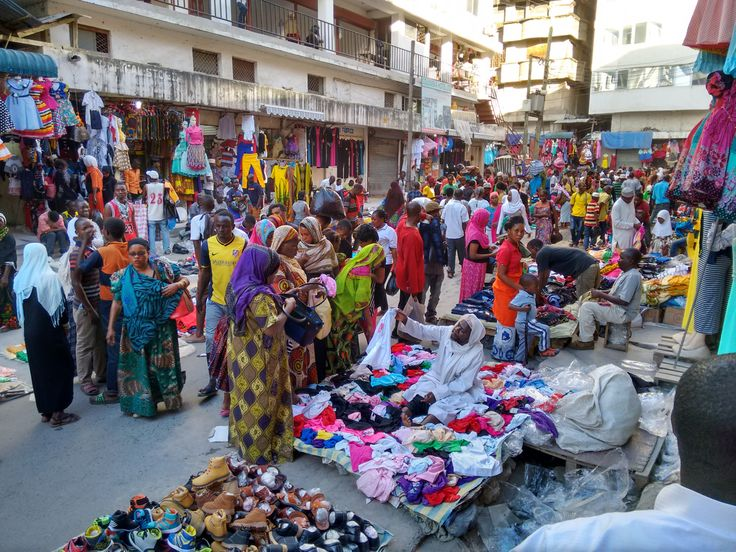
Market control is not about suppressing business; it’s about creating an environment where trade benefits everyone, not just a few.
In every economy, markets are the engines that drive trade, investment, and innovation. But like any engine, they sometimes overheat, stall, or run in ways that harm the very people they are meant to serve. This is where governments step in not to replace the market, but to guide, regulate, and correct it.
In Tanzania, market control has played a vital role in protecting citizens, stabilizing prices, and ensuring fair competition. The country’s experience offers a clear look at why this balance between free enterprise and regulation is so important.
Why Governments Control Markets
Protecting Consumers and Ensuring Fairness
Without rules, some traders or companies might exploit shortages or manipulate prices. In Tanzania, for example, the government has intervened in staple food markets like maize and sugar to prevent price spikes during droughts or supply disruptions. This ensures low-income households can still afford basic goods.
Promoting Economic Stability
Fluctuating prices, inflation, and supply shocks can destabilize an economy. Tanzania’s through Bank of Tanzania (BOT) manages monetary policy to keep inflation under control, while the government uses targeted subsidies or price ceilings to avoid runaway costs in essential sectors.
Supporting Local Industries
Market controls also shield local producers from unfair foreign competition. For instance, import restrictions and tariffs on certain agricultural goods have helped Tanzanian farmers compete against heavily subsidized imports.
Preventing Market Failures
Some services, like electricity and water, are natural monopolies. In these cases, the government regulates prices and quality standards to protect consumers while ensuring providers can maintain and expand infrastructure.
How Governments Control Markets
Price Controls
The government sometimes sets maximum or minimum prices. For example, in times of food shortages, it may cap the price of maize flour to prevent hoarding and exploitation.
Subsidies and Incentives
Tanzania supports key industries, such as agriculture and renewable energy, through subsidies, grants, or tax breaks, encouraging production and investment.
Licensing and Regulation
Traders, exporters, and importers often need licenses to operate. This ensures compliance with safety, quality, and ethical standards and helps track goods moving through the economy.
Import and Export Restrictions
To protect the domestic supply, Tanzania sometimes bans or limits the export of strategic goods during shortages and restricts imports of items that could undermine local industries.
Monitoring and Enforcement
Agencies like the Tanzania Fair Competition Commission (FCC) and the Tanzania Revenue Authority (TRA) track market activity, investigate unfair practices, and enforce trade rules.
Too much control can stifle innovation and discourage private investment. Too little, and markets can turn chaotic and unfair. Tanzania’s challenge, like that of many nations, is to strike the right balance: allowing the private sector to grow, while stepping in decisively when public interest is at risk.
Market control is not about suppressing business; it’s about creating an environment where trade benefits everyone, not just a few. Tanzania’s approach shows that when market rules are clear, fair, and well-enforced, the result is a more stable economy, stronger local industries, and better livelihoods for its Governments play a substantial role in the financial world. They can issue currency, change interest rates, and issue bailouts, Governments additionally impose regulations, subsidies, and taxes. All these measures can have immediate and long-lasting impacts on companies, industries, and markets at large.
