

The Roar of Rusumo Falls: Why Tanzania is Becoming East Africa's Energy Powerhouse
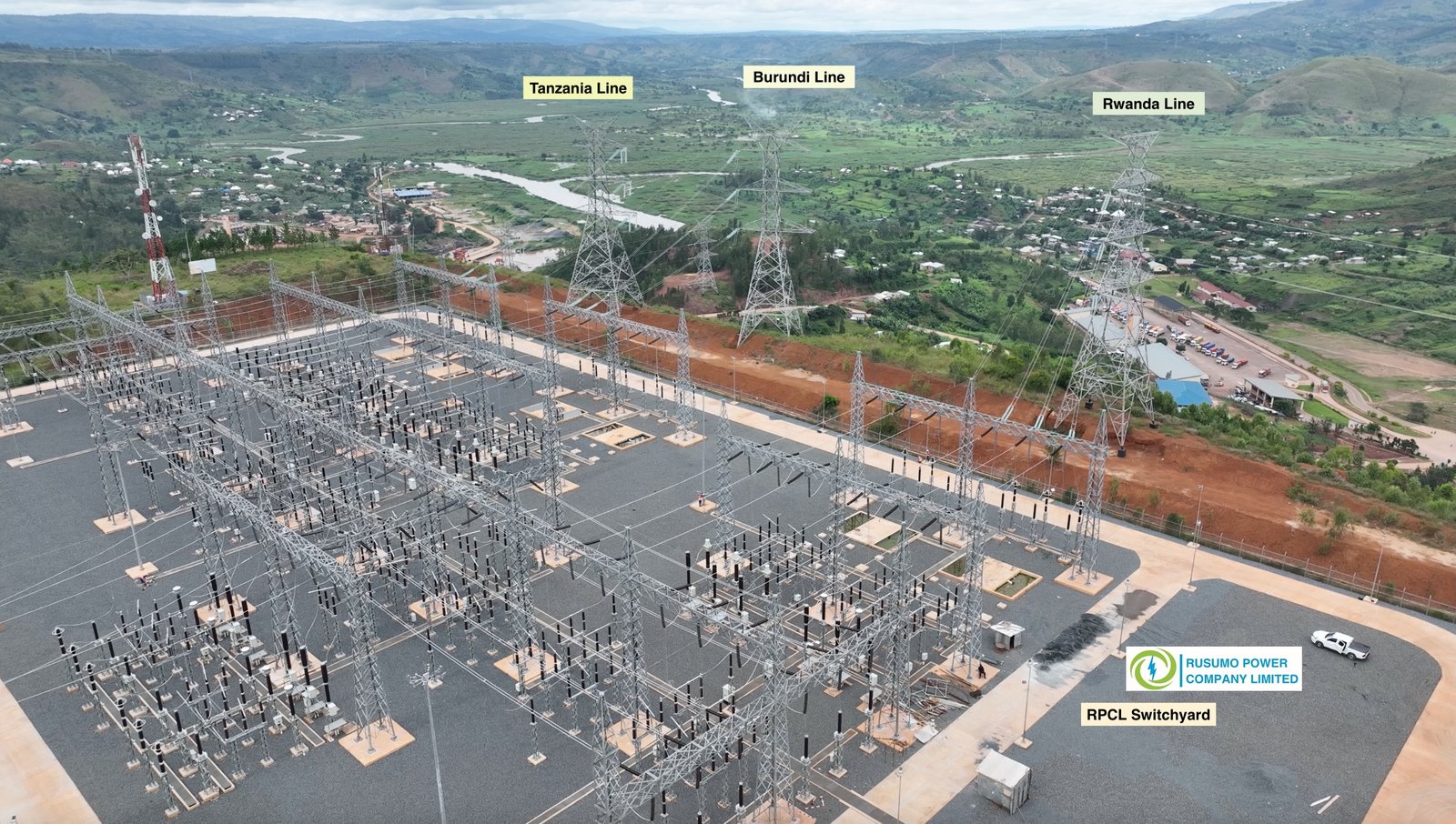
The Regional Rusumo Falls Hydroelectric Project (RRFP) has made Tanzania the operational anchor of East Africa's newest power network. With the core generating infrastructure—including the powerhouse and turbines—built entirely on Tanzanian soil, the 80 MW facility equally benefits Tanzania, Rwanda, and Burundi. This strategic hosting role cements Tanzania's position as a regional energy heavyweight, providing crucial grid stability, driving industrial growth, and opening doors for future power trading across the interconnected East African grid.
The Roar of Rusumo Falls: Why Tanzania is Becoming East Africa's Energy Powerhouse
NGARA, Tanzania — You can feel the power long before you see the turbines. Here at the Rusumo Falls, on the border where the Kagera River rushes between Tanzania and Rwanda, a huge new hydroelectric project has just flipped the switch on East Africa’s economic future.
While the Regional Rusumo Falls Hydroelectric Project (RRFP) is a handshake deal between three friends; Tanzania, Rwanda, and Burundi, the operational heart of this entire 80 MW facility sits firmly on Tanzanian soil. This isn't just a technical detail; it's a strategic reality that positions Tanzania as a key anchor in this new regional power network.
The Engine Room is Tanzanian
Imagine a critical machine shared by three partners. The ownership and benefits are split equally, but the core mechanism that produces the output is housed in one partner's facility. That is the scenario at Rusumo.
The project is designed to generate 80 Megawatts (MW) of clean, reliable electricity, with each country—Tanzania, Rwanda, and Burundi—receiving an equal share of 26.67 MW.
Crucially, the massive power-generating infrastructure—including the water intake structure, the headrace tunnel, and the powerhouse housing the three Kaplan turbines and generators—is built entirely on the south bank of the Kagera River, within Tanzania’s Ngara District.
While the distribution hub (the high-voltage substation) is located across the river in Rwanda, the country hosting the core engine of power production controls the physical heartbeat of the regional grid.
"When you host the core generation infrastructure, you are the operational anchor," notes a local energy analyst. "Tanzania isn't just a beneficiary; it's the principal host. This is a massive feather in the cap for our nation, demonstrating our ability to handle complex, large-scale international projects."
Powering Up the Tanzanian Dream
For Tanzania, the Rusumo power is more than a mere addition to the grid; it’s a necessary foundation for the country’s biggest dreams. Reliable, low-cost electricity is the oxygen for industrial growth.
- Industrial Lifeline: The energy feed from Rusumo stabilizes the grid, particularly boosting the underserved Northern and North-Western parts of Tanzania by improving voltage quality and reliability. This steady power stream is what will help transform the country’s manufacturing and mining ambitions into reality.
- Local Development Boom: The project’s impact is already being felt in the local area around Ngara. Thanks to a dedicated Local Area Development Program (LADP) tied to the project, villages have benefited from new water supply systems, rehabilitated health centres, and better schools. This is a direct, tangible benefit of hosting the power plant, improving the lives of thousands of Tanzanians.
- Regional Management Anchor: The plant is owned and operated by the Rusumo Power Company Limited (RPCL), a special purpose vehicle jointly controlled by the three countries. This shared management model, combined with Tanzania’s role as the host nation for the main generating site, reinforces its reputation as a reliable and central energy partner in the region.
Beyond 26.6 MW: Trading and Trust
The strategic reality of Rusumo is that the new high-voltage interconnection links Tanzania's power grid with those of Rwanda and Burundi, creating a new level of regional grid integration.
This integration is where Tanzania’s position truly shines. The new system creates an opportunity for power trading, allowing a surplus country to sell power to a neighbor in need. Given Tanzania's size and future plans for major energy developments (such as the Julius Nyerere Hydropower Project), having a ready-made, reliable network connection through Rusumo positions it perfectly to become a future regional energy exporter to its northern neighbours.
The Rusumo Falls project has moved from being a construction site to a fully operational source of power. In the global race for economic leadership, the world runs on reliable electricity. By successfully building and hosting the engine room of this pivotal East African project, Tanzania has firmly cemented its role as the driving force behind the region's electrified, prosperous future. The roar of the falls is now the sound of Tanzania's economic might.