
Drip Irrigation: Tanzania’s Answer to Climate Resilient and Commercial Farming
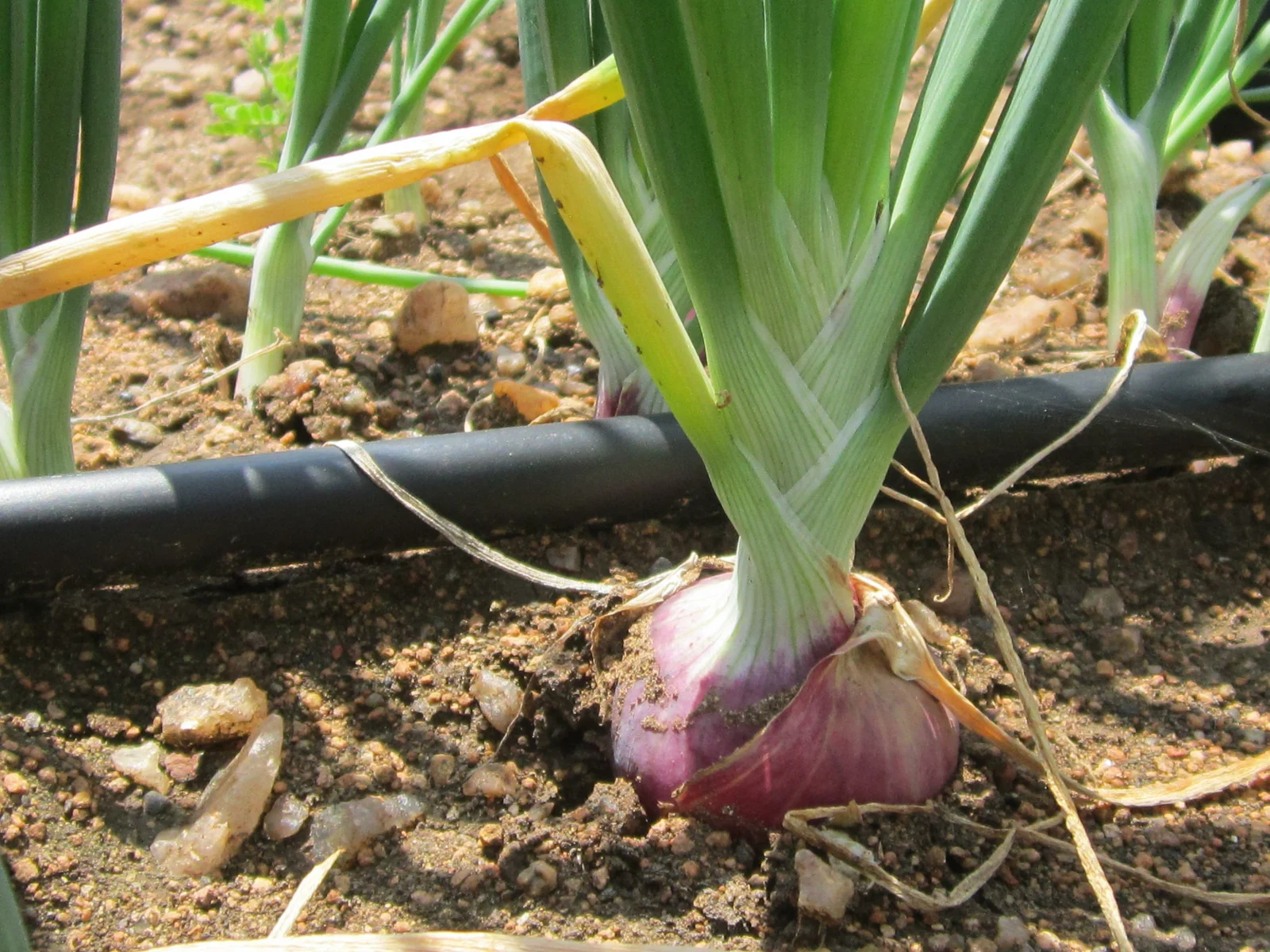
Ready
For farmers aiming to scale up and embrace commercial agriculture, drip irrigation systems offer a smart, efficient, and sustainable solution.
Climate change is no longer a distant threat it is a daily reality for Tanzanian farmers. Unpredictable rainfall, prolonged dry spells, and occasional floods have disrupted traditional farming methods, affecting food security and commercial crop production. For farmers aiming to scale up and embrace commercial agriculture, drip irrigation systems offer a smart, efficient, and sustainable solution.
Drip irrigation is particularly effective for high-value crops such as vegetables (tomatoes, peppers, onions), fruits (avocado, mango, watermelon, strawberries), coffee, and horticultural flowers, all of which require consistent moisture levels to maximize yield and quality.
How Drip Irrigation Helps Farmers Combat Climate Change
Efficient Water Use
Unlike traditional flood or furrow irrigation, drip irrigation delivers water directly to the plant’s root zone, reducing evaporation and water loss. Farmers can use 30–70% less water, making farming more resilient during dry seasons.
Enhanced Crop Yields and Quality
By providing consistent and precise watering, crops grow uniformly and with better quality. This is especially important for commercial farming, where market standards demand visually appealing and healthy produce.
Reduced Soil Degradation and Nutrient Loss
Drip irrigation minimizes soil erosion caused by heavy rains and floods. Fertilizers applied through drip systems (fertigation) are efficiently used, reducing nutrient runoff and protecting the environment.
Flexibility and Climate Adaptation
Drip systems allow farmers to adjust water supply according to crop growth stages, soil type, and seasonal variations a key adaptation tool for unpredictable weather patterns caused by climate change.
Crops That Benefit Most from Drip Irrigation
Drip irrigation is highly versatile and can transform smallholder and commercial farms alike. Key crops include:
- Vegetables: Tomatoes, lettuce, onions, peppers, cabbage.
- Fruits: Avocado, mango, watermelon, strawberries, passion fruit.
- Cash crops: Coffee, tea, flowers, and high-value herbs.
- Orchards and vineyards: Drip irrigation supports precise watering of grapes, citrus, and other tree crops.
Key Requirements for Successful Drip Irrigation Projects
For drip irrigation projects to achieve their full potential, several factors must be addressed:
a) Access to Reliable Water Sources
Farms need a consistent water supply from boreholes, rivers, or rainwater harvesting systems. And, Water quality must be monitored to prevent clogging of drip emitters.
b) Proper System Design and Installation
Systems should be tailored to crop type, soil type, and farm layout. This Professional design ensures even water distribution and maximizes efficiency.
c) Farmer Training and Capacity Building
Farmers must be trained to understand system operation, maintenance, and fertigation techniques. Also, training helps prevent emitter blockages, pipe leaks, and over- or under-watering.
d) Financial Planning and Support
Initial costs for drip irrigation systems can be high, especially for large-scale commercial farms like Hass Avocado farms. Access to loans, subsidies, or public-private partnerships can make projects viable for both smallholders and commercial operators.
e) Integration with Climate-Smart Farming Practices
Drip irrigation works best when combined with mulching, soil moisture monitoring, and organic fertilization. It is important to note that Crop rotation and intercropping can maximize yield while preserving soil health.
How Government and Stakeholders Can Facilitate Drip Irrigation Projects
Government, NGOs, and private-sector stakeholders play a critical role in ensuring that drip irrigation projects succeed in Tanzania:
- Policy and Regulation: Establish policies that promote water-efficient irrigation and provide incentives for farmers to adopt modern irrigation technologies.
- Subsidies and Financial Support: Offer subsidies on drip irrigation kits and fertilizers, and provide low-interest loans to smallholder farmers.
- Training and Extension Services: Expand agricultural extension programs to train farmers on installation, maintenance, and optimization of drip systems.
- Infrastructure Development: Invest in water storage, boreholes, and irrigation canals to guarantee a reliable water supply.
- Public-Private Partnerships: Encourage collaborations between agritech companies, investors, and local farmers to scale projects efficiently.
- Market Access and Value Chains: Facilitate connections between farmers and commercial buyers to ensure profitable returns from high-value crops.
- Research and Innovation: Support research institutions to develop crop-specific irrigation schedules and climate-smart technologies tailored for Tanzania.
Economic Benefits for Farmers
- Higher yields: Drip irrigation can increase crop yields by 20–50% compared to traditional methods.
- Reduced input costs: Water and fertilizer savings translate directly into lower operational costs.
- Market readiness: Consistently high-quality crops fetch better prices, especially in urban and export markets.
- Sustainability: Climate resilience ensures farmers can continue commercial production even during erratic weather seasons.
A Pathway to Climate-Resilient Commercial Farming
Drip irrigation is more than a technological upgrade; it is a climate adaptation strategy and a pathway toward profitable, sustainable, and commercial farming in Tanzania. With effective support from the government, investors, NGOs, and local communities, farmers can unlock the full potential of their land while protecting resources for future generations.
Investments in training, infrastructure, financing, and market access are critical. Together, these measures can help Tanzania’s agricultural sector combat climate change, boost commercial farming, and ensure food security, while offering strong returns for forward-thinking investors.
 Uchumi360
Business Intelligence
Uchumi360
Business Intelligence
Uchumi360 covers business, investment, and economic policy across East, Central, and Southern Africa.
For the serious reader
You read to the end. That places you in a small group.
Uchumi360 is built for readers who demand precision over speed, structure over sentiment, and analysis that holds uncomfortable conclusions rather than softening them. If this work sharpens how you think about Africa's economy, help us keep building the infrastructure behind it.
Institutional Partners
Commission intelligence. Shape the conversation.
Uchumi360 works with development finance institutions, investment firms, sovereign bodies, and strategic organisations across the coverage region. Institutional partnership unlocks:
- Commissioned sector and country intelligence reports
- Branded research series under your institution's authority
- Exclusive data briefings for internal strategy teams
- Speaking and editorial presence at Uchumi360 events
- Co-published investment outlooks for your markets
Support Our Work
Independent analysis has a cost. Help us bear it.
Uchumi360 does not carry advertising. It does not take editorial direction from sponsors. Every article is produced without commercial compromise. Your contribution funds the reporting, research, and editorial infrastructure that keeps this analysis free from influence.
Secure checkout: One-time and monthly support are processed securely. Add payment credentials to enable checkout here.
Stay Connected
Keep up with every new insight.
Follow our latest analysis, policy coverage, and market intelligence as soon as it is published. If you need something specific, reach out directly and we will point you to the right research.
