
Irrigation in Tanzania: Modern Techniques, Policy Support, and Climate-Smart Solutions for Sustainable Agriculture
Ready
For Tanzania to achieve sustainable agricultural growth, irrigation must be integrated with modern technologies, supportive government policies, and investment frameworks.
Agriculture remains the cornerstone of Tanzania’s economy, contributing significantly to GDP and employing over 65% of the population. However, smallholder and commercial farmers face persistent challenges, including rainfall variability, droughts, and inefficient water management, which limit productivity and threaten food security.
Irrigation is increasingly recognized as a strategic solution, enhancing crop yields, stabilizing incomes, and supporting climate resilience. For Tanzania to achieve sustainable agricultural growth, irrigation must be integrated with modern technologies, supportive government policies, and investment frameworks.
The Strategic Importance of Irrigation in Tanzania
Tanzania’s agriculture is heavily dependent on rainfall, making farmers vulnerable to climate shocks. Proper irrigation ensures year-round crop production, improves quality for export-oriented crops, and reduces post-harvest losses. For key cash crops such as coffee, tea, cashew, and horticultural products, irrigation is essential for competitiveness in both domestic and international markets.
2. Modern Irrigation Techniques for Tanzanian Agriculture
Several advanced irrigation methods can significantly improve efficiency and productivity:
- Drip Irrigation: Precisely delivers water to plant roots, reducing water waste and increasing yields.
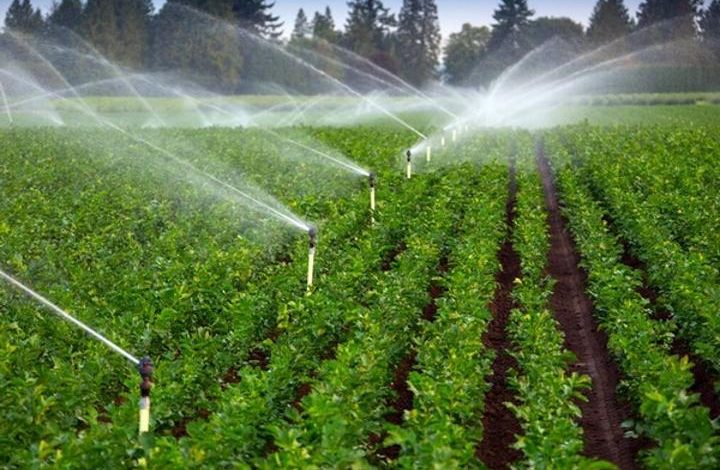
- Sprinkler Systems: Effective for cereals and vegetables; simulates natural rainfall for uniform coverage.
- Water-Saving Innovations: Techniques such as mulching, soil moisture monitoring, and micro-sprinklers optimize water usage while maintaining soil health.
Adoption of these technologies enables smallholders and agribusinesses to improve crop quality, reduce labour costs, and better manage scarce water resources.
3. Comparing Traditional and Modern Irrigation
Traditional flood irrigation remains prevalent in rural Tanzania, but it often leads to water wastage, soil erosion, and uneven crop growth. Modern irrigation, although requiring initial investment, provides long-term benefits:
- Enhanced water efficiency
- Increased productivity
- Consistent crop quality
- Climate resilience
Investing in modern irrigation is therefore not merely an operational choice but a strategic imperative for sustainable agriculture.
4. Government Support for Irrigation Development
The Tanzanian government plays a critical role in enabling irrigation growth, especially for smallholder farmers and emerging agribusinesses. Key interventions include:
Policy Frameworks and Strategy Development
· Formulating national irrigation policies to guide investment, land use, and water management.
· Integrating irrigation into climate-smart agriculture strategies and food security planning.
Infrastructure Development
· Expanding water storage facilities, dams, and canals to ensure reliable water supply.
· Developing community irrigation schemes in drought-prone regions.
Subsidies and Financial Support
· Providing subsidies for pumps, drip kits, and sprinklers for smallholder farmers.
· Facilitating access to low-interest loans for commercial irrigation projects.
Capacity Building and Technical Support
· Training farmers on modern irrigation techniques, water management, and crop-specific best practices.
· Supporting research and innovation to adapt irrigation to local climatic and soil conditions.
Public-Private Partnerships (PPPs)
· Encouraging private investment in irrigation infrastructure and agribusiness value chains.
· Linking farmers with Agritech companies to access modern solutions and expertise.
Through these measures, the government can stimulate the adoption of irrigation, improve yields, and support climate resilience, ultimately contributing to Tanzania’s agricultural growth and food security goals.
5. Climate-Smart Agriculture and Irrigation
Irrigation is central to climate-smart agriculture, helping farmers mitigate the impacts of rainfall variability, droughts, and floods. Water-efficient irrigation technologies:
- Enhance productivity per unit of water
- Reduce dependence on unpredictable rainfall
- Encourage sustainable farming practices that protect soil and ecosystems
By integrating irrigation with climate-smart practices, Tanzania can ensure sustainable, high-quality production across all agricultural sectors.
6. Case Studies: Transforming Crop Production
- Coffee and Tea (Mbeya & Kilimanjaro): Drip irrigation has improved bean quality and yields, increasing both local sales and export revenue.
- Horticulture (Arusha & Manyara): Sprinkler and drip systems allow year-round vegetable production, supplying supermarkets and international markets.
- Cashew (Lindi & Mtwara): Cooperative irrigation projects enhance productivity and stabilize incomes for rural smallholders.
These examples demonstrate the tangible benefits of irrigation when paired with technical support, finance, and policy incentives.
7. Affordable Solutions for Smallholder Farmers
Even with limited capital, smallholder farmers can implement effective irrigation strategies:
- Rainwater harvesting with drip kits for small plots
- Community irrigation schemes for shared water access
- Solar-powered pumps to reduce operational costs
Such solutions increase productivity, reduce risk, and build resilience without requiring massive upfront investment.
8. Investment Opportunities in Irrigation
Irrigation presents high-potential investment opportunities for agribusinesses and private investors:
- Supplying equipment and technical services
- Developing commercial irrigation farms
- Supporting export-oriented horticulture and cash crops
By combining investment with government incentives, PPPs, and farmer partnerships, irrigation projects can be profitable, sustainable, and scalable.
Conclusion
Irrigation is not just a farming tool it is a strategic enabler of sustainable, climate-resilient, and profitable agriculture in Tanzania. Through modern techniques, government support, financing solutions, and community-based projects, farmers and investors can unlock the full potential of Tanzanian agriculture.
Investing in irrigation today ensures a productive, resilient, and competitive agricultural sector for Tanzania tomorrow.
 Uchumi360
Business Intelligence
Uchumi360 covers business, investment, and economic policy across East, Central, and Southern Africa.
For the serious reader
You read to the end. That places you in a small group.
Uchumi360 is built for readers who demand precision over speed, structure over sentiment, and analysis that holds uncomfortable conclusions rather than softening them. If this work sharpens how you think about Africa's economy, help us keep building the infrastructure behind it.
Institutional Partners
Commission intelligence. Shape the conversation.
Uchumi360 works with development finance institutions, investment firms, sovereign bodies, and strategic organisations across the coverage region. Institutional partnership unlocks:
- Commissioned sector and country intelligence reports
- Branded research series under your institution's authority
- Exclusive data briefings for internal strategy teams
- Speaking and editorial presence at Uchumi360 events
- Co-published investment outlooks for your markets
Support Our Work
Independent analysis has a cost. Help us bear it.
Uchumi360 does not carry advertising. It does not take editorial direction from sponsors. Every article is produced without commercial compromise. Your contribution funds the reporting, research, and editorial infrastructure that keeps this analysis free from influence.
Secure checkout: One-time and monthly support are processed securely. Add payment credentials to enable checkout here.
Stay Connected
Keep up with every new insight.
Follow our latest analysis, policy coverage, and market intelligence as soon as it is published. If you need something specific, reach out directly and we will point you to the right research.
