
Ethiopia’s GERD: A Power Play Transforming East Africa’s Energy and Economy
Ready
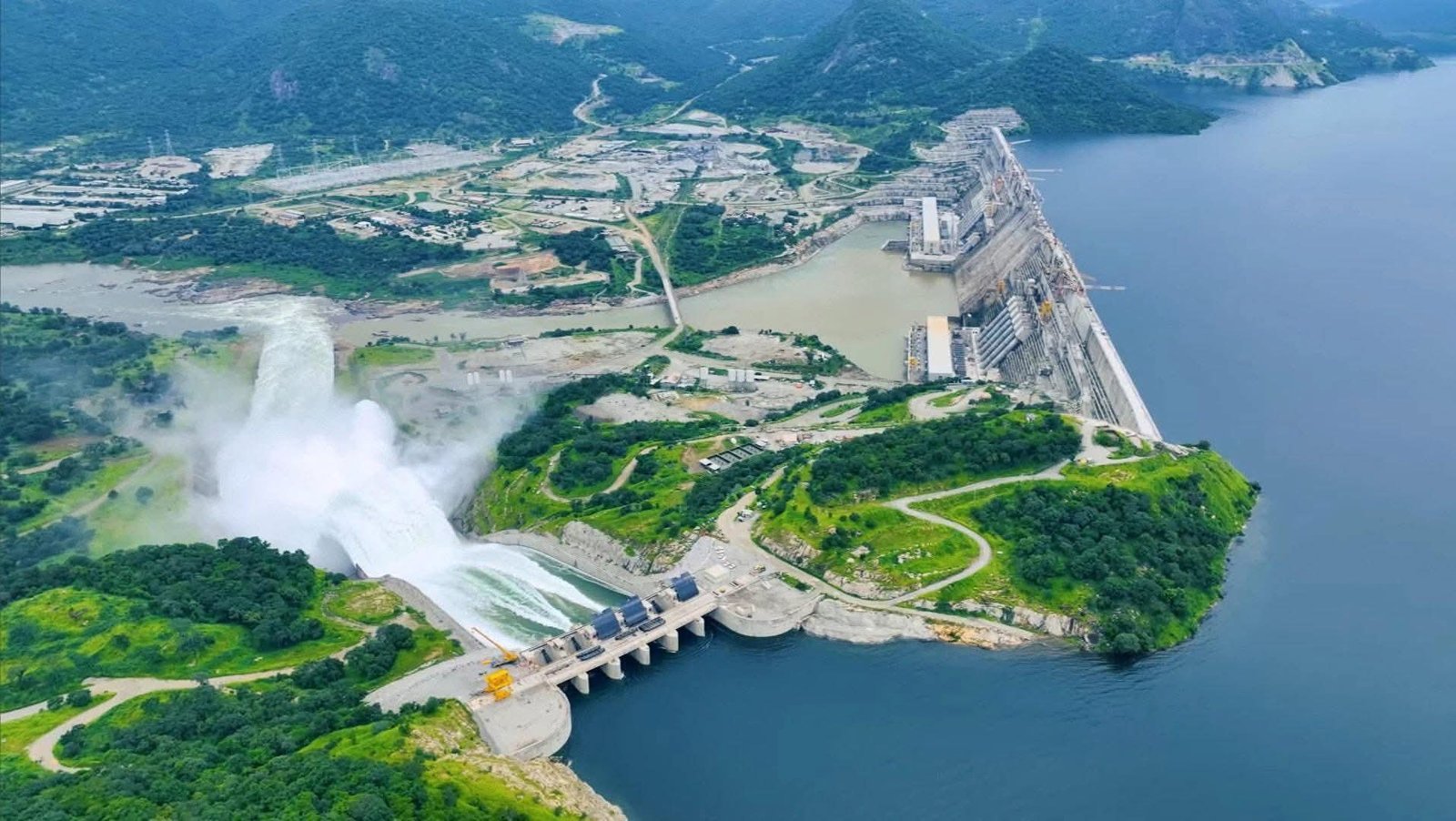
The GERD’s launch boosts East Africa’s energy capacity, providing Tanzania with 100 MW, supporting industrial growth, and strengthening regional economic and energy integration.
Addis Ababa — Ethiopia’s inauguration of the Grand Ethiopian Renaissance Dam (GERD) on September 9, 2025, is more than a national milestone. At 5,150 megawatts, the dam positions Ethiopia as Africa’s leading hydroelectric power producer and a key player in regional energy markets. Its impact is being felt across East Africa, with Tanzania among the countries poised to reap economic and industrial benefits.
A Strategic Leap for Ethiopia
Located on the Blue Nile near Sudan, the GERD represents a $5 billion investment, 91% of which Ethiopia financed internally. The project’s first operational turbines now generate 750 MW, signaling the start of a phased rollout that will eventually supply both domestic demand and export markets.
For decades, Egypt and Sudan have contested Ethiopia’s upstream control of the Nile, citing water security concerns. Both countries argue that Ethiopia’s unilateral approach threatens their historical allocation under colonial-era treaties. Ethiopia counters that these treaties are outdated, asserting its sovereign right to harness the Nile for development.
The political tensions underscore the broader economic significance: energy is now a diplomatic tool, and GERD places Ethiopia in a stronger bargaining position in regional negotiations.
Regional Energy Integration
Ethiopia has already begun exporting electricity:
- Kenya: 200 MW
- Djibouti: 80 MW
- Sudan: 100 MW
- Tanzania: Projected 100 MW
For Tanzania, the additional electricity promises to ease chronic energy deficits, reduce reliance on costly diesel generation, and enable more consistent industrial output while allowing its national grid to export excess energy to Southern African countries such as Zambia, Malawi and Zimbabwe. Analysts note that regional power trade under the Eastern Africa Power Pool (EAPP) could stabilise energy markets and attract foreign direct investment.
Infrastructure will be key. Transmission networks in Tanzania must be upgraded to handle new inflows and prevent grid bottlenecks. Failure to do so could undermine both domestic gains and cross-border energy trade.
Economic Implications for Tanzania
Reliable power is a prerequisite for industrialisation. With GERD’s energy contribution, Tanzanian manufacturers can expand production, reduce downtime, and cut operational costs.
- Cost Efficiency: Imported hydroelectricity is cheaper than local thermal generation, offering potential savings for businesses and government.
- Industrial Clusters: Cities like Dar es Salaam and Mwanza could attract energy-intensive industries, creating jobs and fostering economic diversification.
- Regional Competitiveness: Tanzania’s integration into Ethiopia-led energy exports strengthens East Africa’s position in global supply chains and lowers logistics and production costs.
Strategic Considerations
While the GERD presents opportunities, it also introduces dependency risks. Over-reliance on Ethiopian power could expose Tanzania to political or operational disruptions. Experts advise simultaneous investment in domestic renewables, including solar and wind, to safeguard energy security.
Diplomatic engagement is equally critical. Participation in Nile Basin and EAPP negotiations ensures Tanzania has a voice in water management and energy-sharing arrangements, reducing potential geopolitical frictions.
Power and Prosperity at Play
GERD’s operationalisation is a turning point for East Africa. For Tanzania, it’s an economic lever: affordable electricity, industrial growth, and enhanced regional trade prospects. But realisation of these benefits requires strategic planning, infrastructure readiness, and active regional collaboration.
In the long term, GERD may not just reshape Ethiopia’s energy profile; it could redefine East Africa’s economic landscape, positioning the region as a hub of power-driven growth and industrial competitiveness.
 Uchumi360
Business Intelligence
Uchumi360 covers business, investment, and economic policy across East, Central, and Southern Africa.
For the serious reader
You read to the end. That places you in a small group.
Uchumi360 is built for readers who demand precision over speed, structure over sentiment, and analysis that holds uncomfortable conclusions rather than softening them. If this work sharpens how you think about Africa's economy, help us keep building the infrastructure behind it.
Institutional Partners
Commission intelligence. Shape the conversation.
Uchumi360 works with development finance institutions, investment firms, sovereign bodies, and strategic organisations across the coverage region. Institutional partnership unlocks:
- Commissioned sector and country intelligence reports
- Branded research series under your institution's authority
- Exclusive data briefings for internal strategy teams
- Speaking and editorial presence at Uchumi360 events
- Co-published investment outlooks for your markets
Support Our Work
Independent analysis has a cost. Help us bear it.
Uchumi360 does not carry advertising. It does not take editorial direction from sponsors. Every article is produced without commercial compromise. Your contribution funds the reporting, research, and editorial infrastructure that keeps this analysis free from influence.
Secure checkout: One-time and monthly support are processed securely. Add payment credentials to enable checkout here.
Stay Connected
Keep up with every new insight.
Follow our latest analysis, policy coverage, and market intelligence as soon as it is published. If you need something specific, reach out directly and we will point you to the right research.
