
Rwanda’s Electricity Access Reaches 88.3%, But Outages Threaten the Economic Value of Expansion
Ready
Grid and off-grid connections have extended electricity to nearly nine in ten households, while installed capacity has risen to 472.9MW. A Senate review warns that damaged systems, delayed connections and unreliable supply are limiting the benefits for households and businesses.
Rwanda has increased household electricity access to 88.3 per cent, but persistent outages and incomplete connections are raising questions about whether the rapid expansion is delivering reliable power to households, businesses and public facilities.
A review by the Rwandan Senate’s Committee on Economy and Finance found that household access had risen from 78.9 per cent in 2024. Of the current total, 63.3 per cent of households are connected to the national grid and 25 per cent rely on solar systems.
Electricity access at the administrative-cell level increased from 91 per cent to 98.8 per cent, while coverage of priority locations, including industries, commercial centres, hospitals and schools, rose from 86 per cent to 93.9 per cent.
The Rwanda Energy Group also reports a national grid-and-off-grid household access rate of 88.3 per cent as of June 2026.
The figures confirm substantial progress in extending electricity infrastructure. They do not necessarily show that every connection is functional, affordable or capable of supporting productive economic activity.
Access is not the same as reliable supply
The Senate committee identified communities where electricity infrastructure had been installed but residents were still waiting to be connected. It also questioned whether households with damaged or non-functioning solar equipment should remain classified as having electricity access.
That distinction is economically important. An electricity pole near a village or a solar system listed in administrative records does not create value if a household cannot use it consistently.
Effective access depends on a working connection, reliable equipment, affordable tariffs and enough capacity to power more than basic lighting. For small enterprises, electricity must be dependable enough to operate refrigeration, machinery, payment devices, computers and communications equipment.
The committee cited citizen-survey findings showing that 32.8 per cent of respondents were dissatisfied with electricity outages, while 20.3 per cent raised concerns about damaged infrastructure that had not been restored.
Frequent outages impose costs that are not fully reflected in electricity-access statistics. Businesses lose production time, stock and sales, while manufacturers and service providers may have to purchase generators, batteries, stabilisers or alternative solar systems.
These investments duplicate the electricity system and increase the cost of operating in Rwanda. Smaller firms are particularly vulnerable because they have less capital to finance backup power.
Generation capacity has expanded
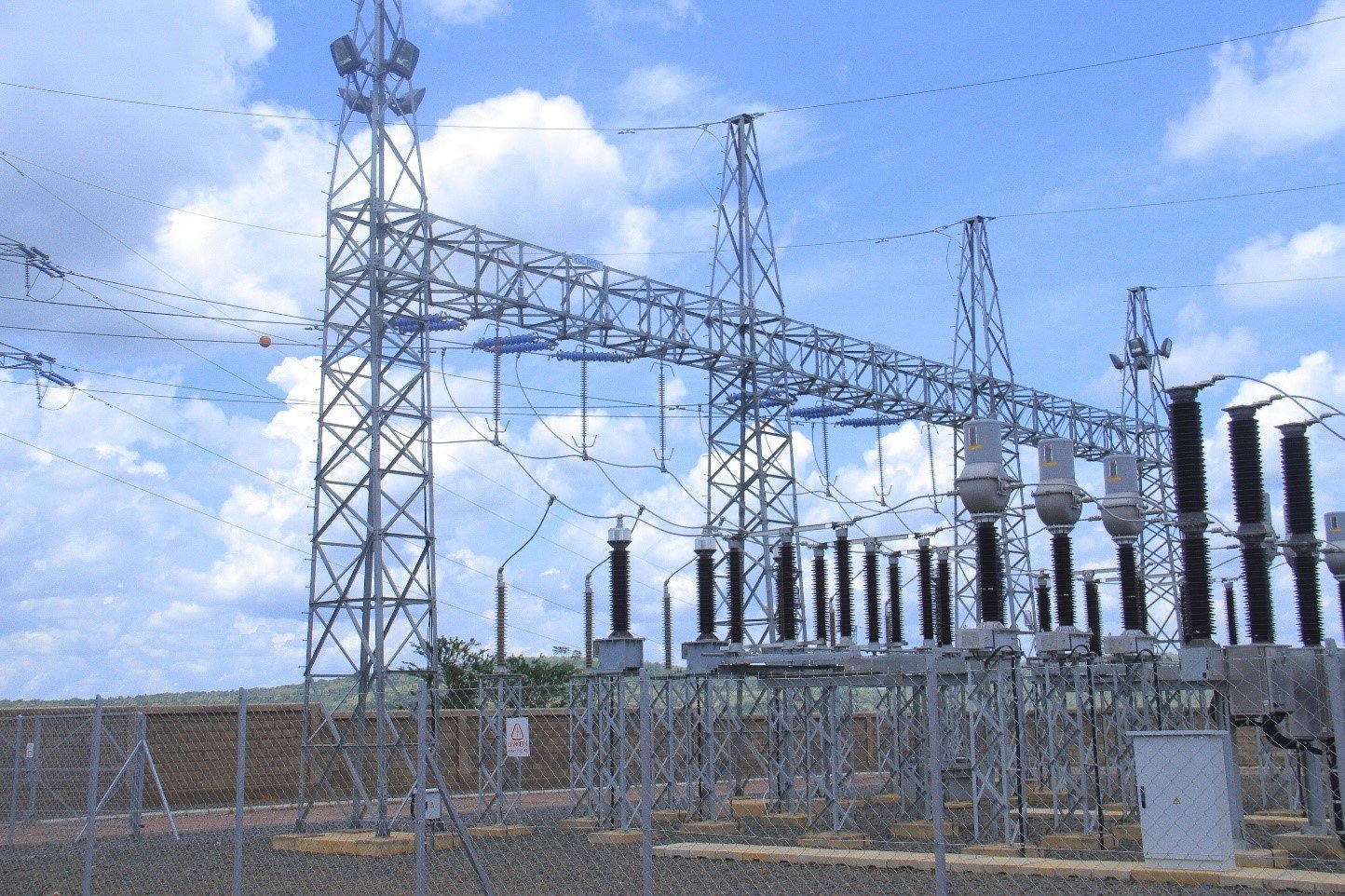
Rwanda’s installed electricity capacity increased from 406 megawatts in 2024 to 472.9MW, according to the Senate review. Approximately 367MW is generated domestically, with the remaining supply coming from imports.
Imported electricity can strengthen energy security by supplementing domestic generation and allowing Rwanda to benefit from regional power trading. It also leaves the system partly exposed to transmission constraints, contractual arrangements and supply conditions in neighbouring markets.
Domestic hydropower production remains vulnerable to changing water levels. Dry periods can reduce output, while extreme rainfall can damage infrastructure or affect reservoir management. This makes diversification into solar, methane gas, peat, regional imports and other sources important to maintaining reliability.
The increase in capacity is positive, but national totals do not alone determine whether consumers receive stable power. Transmission bottlenecks, overloaded distribution networks, damaged equipment and slow maintenance can create shortages at local level even when adequate generation exists nationally.
Rwanda must therefore invest across the complete electricity chain: generation, imports, transmission, substations, distribution, metering, maintenance and customer connections.
Why reliability matters for Rwanda’s industrial ambitions
Reliable electricity is a central requirement for Rwanda’s manufacturing, tourism, construction, healthcare and digital-services ambitions.
Industrial plants need stable voltage and predictable supply to protect machinery and maintain production schedules. Hotels and conference facilities require continuous electricity for refrigeration, kitchens, water systems, security and digital services. Hospitals depend on power for laboratories, operating theatres, oxygen systems and cold storage.
The technology sector is particularly sensitive. Data centres, business-process outsourcing companies, fintech platforms and telecommunications networks cannot operate competitively if they face recurring power interruptions or must rely excessively on diesel generators.
For agriculture, electricity supports irrigation, milk chilling, cold storage, grain milling and food processing. Extending dependable power to rural production areas can reduce post-harvest losses and allow farmers to move into higher-value activities.
The Senate finding that access in industries, commercial centres, hospitals and schools has reached 93.9 per cent is therefore encouraging. The next test is whether these connections provide sufficient capacity and continuity for the institutions they serve.
Off-grid solar needs a maintenance model
Solar systems account for 25 percentage points of Rwanda’s reported household access rate, making off-grid technology a major part of the country’s electrification progress.
Solar can extend electricity more quickly to remote households where immediate grid expansion would be expensive. It also reduces exposure to grid outages and can support lighting, phone charging and selected appliances.
However, off-grid systems require batteries, replacement parts, qualified technicians and affordable maintenance. If equipment fails and cannot be repaired, the household may remain statistically connected while having no usable electricity.
This creates a need for better monitoring of functional access. Electrification reports should distinguish between installations completed, systems currently operating and customers receiving a defined minimum level of service.
Financing models also matter. Households using pay-as-you-go solar products can lose access if they cannot maintain payments. Electricity coverage can therefore fall in practice even when installed equipment remains included in official records.
The regional dimension
Rwanda’s reliance on imported electricity gives the country a direct interest in the development of the East African Power Pool and additional cross-border transmission capacity.
Regional trade can help countries balance shortages and surpluses, improve the economics of large generation projects and integrate variable renewable energy. Rwanda could draw more power from neighbouring markets during periods of domestic constraint and reduce reliance on expensive emergency generation.
The benefits depend on reliable interconnectors, compatible grid standards, enforceable supply contracts and transparent settlement arrangements. Regional electricity trade cannot compensate for weak domestic distribution networks or delayed household connections.
For investors, the remaining access and reliability gaps create opportunities in solar equipment, battery storage, mini-grids, transmission construction, distribution upgrades, smart metering and maintenance services. Those opportunities will be sustainable only where tariffs, procurement arrangements and payment structures provide predictable returns.
What to watch next
Rwanda’s next electricity milestone should be assessed through reliability as well as coverage. Key indicators include outage frequency and duration, the number of installed but inactive connections, the functionality of off-grid systems and the time taken to repair damaged infrastructure.
Additional generation capacity will help, but improvements in distribution and maintenance may provide equally important economic returns. The government and utilities will also need to clarify how unreliable solar systems are treated in national access statistics.
The increase to 88.3 per cent demonstrates that Rwanda is approaching universal electricity access. The harder phase is now becoming clearer: ensuring that every recorded connection delivers power that is dependable, affordable and useful enough to support household welfare and productive investment.
 Uchumi360
Business Intelligence
Uchumi360 covers business, investment, and economic policy across East, Central, and Southern Africa.
For the serious reader
You read to the end. That places you in a small group.
Uchumi360 is built for readers who demand precision over speed, structure over sentiment, and analysis that holds uncomfortable conclusions rather than softening them. If this work sharpens how you think about Africa's economy, help us keep building the infrastructure behind it.
Institutional Partners
Commission intelligence. Shape the conversation.
Uchumi360 works with development finance institutions, investment firms, sovereign bodies, and strategic organisations across the coverage region. Institutional partnership unlocks:
- Commissioned sector and country intelligence reports
- Branded research series under your institution's authority
- Exclusive data briefings for internal strategy teams
- Speaking and editorial presence at Uchumi360 events
- Co-published investment outlooks for your markets
Support Our Work
Independent analysis has a cost. Help us bear it.
Uchumi360 does not carry advertising. It does not take editorial direction from sponsors. Every article is produced without commercial compromise. Your contribution funds the reporting, research, and editorial infrastructure that keeps this analysis free from influence.
Secure checkout: One-time and monthly support are processed securely. Add payment credentials to enable checkout here.
Stay Connected
Keep up with every new insight.
Follow our latest analysis, policy coverage, and market intelligence as soon as it is published. If you need something specific, reach out directly and we will point you to the right research.
