
Tanzania’s First Utility-Scale Solar Plant Signals a Quiet Shift in the Country’s Energy Strategy
Ready
Tanzania has reached a milestone in its energy sector with the launch of the Shinyanga Solar Photovoltaic Project, the country’s first utility-scale solar power plant connected to the national grid. While relatively small compared with major hydropower projects, the plant signals a strategic shift toward diversifying Tanzania’s energy mix and unlocking the country’s vast solar potential as electricity demand continues to grow.
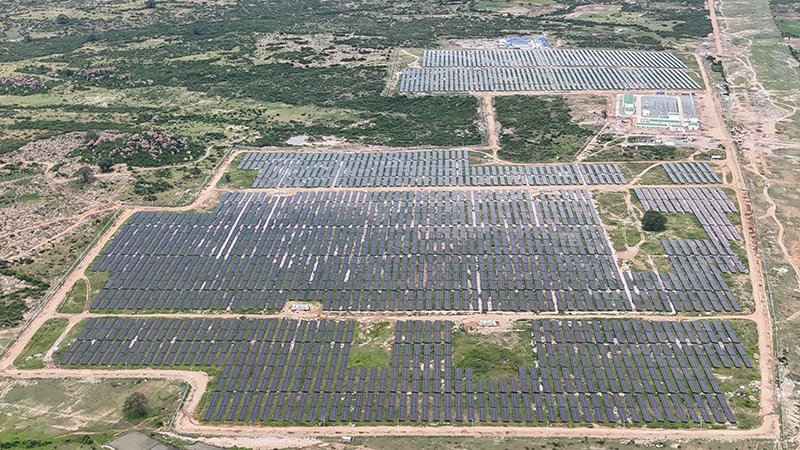
Tanzania has reached a new milestone in its energy sector with the successful grid connection and full operational launch of the Shinyanga Solar Photovoltaic Power Project, the country’s first utility-scale solar power plant. The project, constructed by the Chinese state-owned Power Construction Corporation of China (PowerChina), has now officially begun full electricity generation and integration into the national grid.
While modest in size compared with Tanzania’s large hydropower projects, the Shinyanga solar plant represents an important structural shift in the country’s energy mix. It marks the first time Tanzania has integrated a large-scale solar generation facility into its national electricity system, opening the door for a new phase of renewable energy development across the country.
The development comes at a time when Tanzania’s electricity demand is rising rapidly as industrialization, urbanization, and population growth increase pressure on the national grid.
A Strategic Addition to Tanzania’s Energy Mix
For decades, Tanzania’s electricity generation has been dominated by hydropower and natural gas. Hydropower projects such as the Julius Nyerere Hydropower Project and earlier dams on the Pangani and Rufiji river systems have historically formed the backbone of the country’s power supply.
However, heavy reliance on hydropower has also exposed the country to climate risks. Periods of drought have repeatedly reduced water levels in reservoirs, leading to power shortages and forcing Tanzania to rely on expensive emergency generation or diesel power plants.
Solar power offers a complementary solution. Unlike hydropower, solar generation is not dependent on rainfall patterns and can be deployed relatively quickly compared with large dams or gas infrastructure.
The Shinyanga project therefore represents an early step toward diversifying Tanzania’s electricity generation portfolio.
Why Shinyanga Matters Geographically
The choice of Shinyanga as the location for Tanzania’s first large solar facility is also strategically significant.
The Lake Zone region has experienced rapid population growth and economic expansion driven by mining activities, agriculture, and trade. Gold mining operations in nearby regions such as Geita and Kahama require reliable electricity supplies, while urban centers in the northwest of the country are growing quickly.
By locating solar generation close to this demand center, the project helps reduce transmission losses and strengthens grid stability in one of Tanzania’s most economically active regions.
Solar radiation levels in the Lake Zone are also among the highest in the country, making it well suited for photovoltaic generation.
China’s Expanding Role in Africa’s Renewable Energy
The involvement of PowerChina highlights the growing role Chinese companies are playing in renewable energy infrastructure across Africa.
China has already been deeply involved in Tanzania’s infrastructure development, financing and constructing major projects including railways, ports, roads, and hydropower plants. In recent years, Chinese engineering firms have also expanded into solar and wind energy projects across the continent.
For Beijing, renewable energy investments in Africa align with both economic and geopolitical goals. Chinese companies gain new markets for solar technology while strengthening long-term economic partnerships with African governments.
For Tanzania, the partnership provides access to technical expertise, engineering capacity, and financing that can accelerate the development of renewable infrastructure.
Solar’s Untapped Potential in Tanzania
Despite its strong solar potential, Tanzania has historically underinvested in solar energy at utility scale.
According to energy assessments, much of Tanzania receives between 4 and 7 kilowatt hours of solar radiation per square meter per day, levels comparable to some of the world’s leading solar power markets.
Yet most solar deployment in the country has so far been limited to small off-grid systems used in rural electrification programs.
The Shinyanga solar project signals a transition from small-scale solar solutions toward grid-connected renewable power plants capable of supporting national electricity demand.
Implications for Tanzania’s Industrialization Plans
Reliable electricity supply is one of the most critical foundations for industrial development.
Tanzania’s economic strategy, including its industrialization agenda and the growth of manufacturing sectors, depends heavily on stable and affordable power generation. Frequent power shortages or expensive electricity tariffs can slow industrial investment and undermine competitiveness.
Diversifying the energy mix with renewable sources such as solar could help stabilize supply while reducing long-term generation costs.
Solar plants also have the advantage of shorter construction timelines compared with large dams or gas projects, allowing governments to expand generation capacity more quickly in response to rising demand.
The Beginning of a Larger Renewable Transition
Although the Shinyanga solar plant is relatively small compared with Tanzania’s megaproject dams, its symbolic significance is considerable.
It demonstrates that utility-scale solar power is technically viable within Tanzania’s electricity grid and provides a model for future projects.
If replicated across other high-irradiation regions such as Dodoma, Singida, and central Tanzania, solar generation could gradually become a meaningful component of the national energy system.
Across Africa, several countries including South Africa, Morocco, and Egypt have already expanded solar capacity rapidly over the past decade.
Tanzania’s entry into utility-scale solar generation suggests the country may be preparing to follow a similar path.
A Quiet but Important Energy Milestone
The launch of the Shinyanga Solar Photovoltaic Power Project may not attract the same attention as large hydroelectric dams or gas pipelines. Yet in strategic terms, it marks a turning point.
It signals that Tanzania is beginning to explore a more diversified energy strategy that incorporates renewable sources alongside traditional hydropower and natural gas.
As electricity demand continues to rise and climate variability affects water resources, solar energy could play an increasingly important role in ensuring long-term energy security.
For Tanzania’s economy, the significance of the Shinyanga project lies not only in the electricity it generates today, but in the pathway it opens for the country’s future energy development.
 Uchumi360
Business Intelligence
Uchumi360 covers business, investment, and economic policy across East, Central, and Southern Africa.
For the serious reader
You read to the end. That places you in a small group.
Uchumi360 is built for readers who demand precision over speed, structure over sentiment, and analysis that holds uncomfortable conclusions rather than softening them. If this work sharpens how you think about Africa's economy, help us keep building the infrastructure behind it.
Institutional Partners
Commission intelligence. Shape the conversation.
Uchumi360 works with development finance institutions, investment firms, sovereign bodies, and strategic organisations across the coverage region. Institutional partnership unlocks:
- Commissioned sector and country intelligence reports
- Branded research series under your institution's authority
- Exclusive data briefings for internal strategy teams
- Speaking and editorial presence at Uchumi360 events
- Co-published investment outlooks for your markets
Support Our Work
Independent analysis has a cost. Help us bear it.
Uchumi360 does not carry advertising. It does not take editorial direction from sponsors. Every article is produced without commercial compromise. Your contribution funds the reporting, research, and editorial infrastructure that keeps this analysis free from influence.
Secure checkout: One-time and monthly support are processed securely. Add payment credentials to enable checkout here.
Stay Connected
Keep up with every new insight.
Follow our latest analysis, policy coverage, and market intelligence as soon as it is published. If you need something specific, reach out directly and we will point you to the right research.
