

Digital ID Expansion: A Catalyst for Efficient Public Services
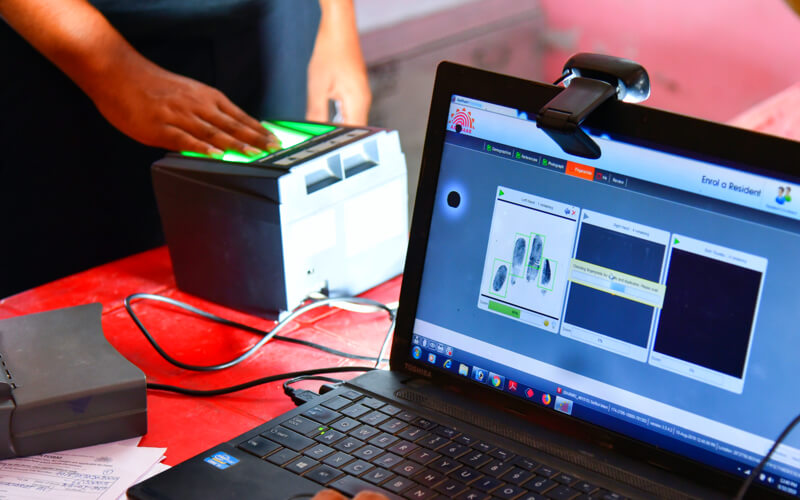
Through unique identification, citizens can access healthcare, education, social protection, and financial services more reliably, while governments can reduce waste, duplication, and fraud.
Digital identification (Digital ID) systems are revolutionizing governance globally, enabling governments to provide secure, efficient, and inclusive public services. Through unique identification, citizens can access healthcare, education, social protection, and financial services more reliably, while governments can reduce waste, duplication, and fraud.
In Tanzania, the expansion of digital ID systems promises to streamline service delivery, improve targeting of government programs, and enhance financial inclusion, particularly for underserved populations in rural and informal settlements. By linking citizens to digital platforms, Tanzania can modernize public administration and unlock socio-economic development opportunities.
Key Benefits of Digital ID Expansion
1. Accurate Citizen Records for Public Services
Digital IDs create centralized, reliable citizen databases, enabling better delivery of public services. Health programs can track vaccinations, hospitals can access patient histories, and education authorities can efficiently manage student enrollment and resources. Accurate identification ensures equitable access and improved service quality.
2. Reduces Fraud and Duplication in Government Programs
Government programs often face leakages due to duplication or fraudulent claims. Digital IDs provide unique identification, biometric verification, and secure authentication, minimizing errors and ensuring that benefits reach intended recipients. This increases accountability and efficiency across social protection schemes, subsidies, and pensions.
3. Facilitates Financial Inclusion and Digital Payments
By linking citizens to mobile money, banking services, and digital payment platforms, digital IDs enable secure financial transactions, credit access, and online government services. This is particularly transformative for rural populations, women, and informal sector workers who previously lacked formal identification.
4. Enhances Policy Planning and Governance
Comprehensive citizen data collected via digital ID systems supports evidence-based policy decisions, demographic analysis, and resource allocation, enabling governments to respond more effectively to social and economic challenges.
Challenges to Digital ID Implementation
Despite its potential, several obstacles must be addressed for digital ID systems to succeed:
- Data Privacy and Security: Protecting sensitive citizen information is crucial. Weak safeguards can lead to breaches, identity theft, and public mistrust.
- System Interoperability: Integration across healthcare, education, social protection, and financial platforms is essential for seamless service delivery. Fragmented systems reduce efficiency and limit impact.
- Technology Access Gaps: Rural populations may lack smartphones, internet connectivity, or digital literacy, limiting the benefits of digital ID adoption.
- Public Trust and Awareness: Citizens must understand the value and safety of digital IDs to adopt them widely. Misinformation or distrust can hinder participation.
Way Forward: Leveraging Digital ID for Governance and Development
To maximize the potential of digital IDs, Tanzania should adopt a multi-pronged approach:
1. Ensure Strong Data Protection and Privacy Measures
Robust cybersecurity protocols, encryption, and privacy regulations are essential to safeguard citizen data and build public trust.
2. Integrate Digital IDs with Service Platforms
Digital IDs must be linked with healthcare, education, social protection, tax, and financial systems to streamline service delivery and reduce administrative inefficiencies.
3. Conduct Citizen Awareness and Education Campaigns
Public engagement and outreach programs can inform citizens about benefits, rights, and safe use of digital IDs, promoting widespread adoption.
4. Bridge Technology and Connectivity Gaps
Expanding internet access, providing digital literacy training, and facilitating low-cost access to devices ensure inclusive participation, especially in rural and underserved communities.
5. Foster Public-Private Partnerships (PPPs)
Collaboration with technology firms, mobile network operators, and financial institutions can accelerate system deployment, improve service quality, and drive innovation in digital ID applications.
6. Monitor, Evaluate, and Iterate Systems
Regular audits, performance evaluations, and user feedback loops can enhance system reliability, efficiency, and user satisfaction, ensuring long-term sustainability.
Outlook
Digital IDs have the potential to transform governance in Tanzania, making public services more efficient, transparent, and inclusive. By protecting data, integrating services, promoting citizen awareness, and addressing technological gaps, Tanzania can unlock financial inclusion, improved service delivery, and socio-economic development.
Effectively implemented, digital IDs are not just a technological upgrade they are a strategic tool for modern governance, inclusive growth, and national development.
