
Zanzibar's Real Estate Boom Attracts Billions as Developers Expand Beyond Hotels
Ready
Zanzibar's property market is entering a new phase, with developers building residential communities, apartment complexes, shopping facilities and mixed use developments across Fumba, Paje, Bwejuu and Stone Town. CPS Africa has delivered 1,190 homes, while a $250 million development near Stone Town, more than $50 million in new projects by Floton Africa and billions of dollars in registered investment signal expanding interest in the islands. Tourist arrivals, foreign property buyers and infrastructure spending are supporting the market, although construction activity and investment registrations have yet to establish whether property values, rental returns and long term demand can sustain the pace of development.
Zanzibar's real estate market is expanding beyond its traditional concentration in hotels and beach resorts, as developers invest in residential apartments, planned communities, commercial buildings and properties designed to combine private ownership with tourism rental income.
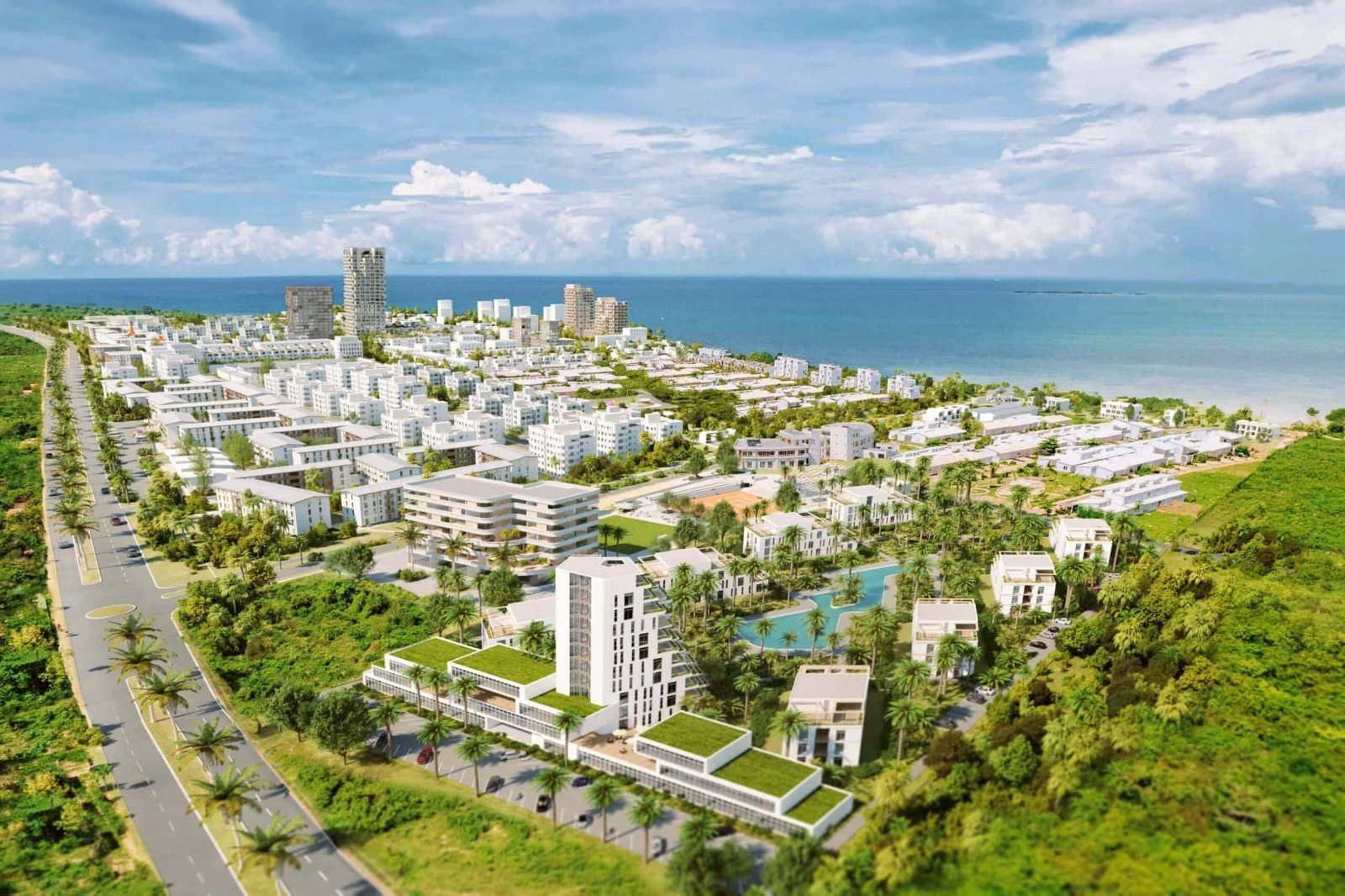
The transition is becoming visible across several parts of Unguja, particularly Fumba on the western coast, Paje and Bwejuu on the eastern coast, and the areas surrounding Stone Town. Residential developments that were once marketed primarily through architectural renderings are beginning to deliver completed homes, while another generation of projects is attracting investment commitments and preparing for construction.
One indication of the market's progress came in November 2026, when property developer CPS Africa reported completing 1,190 residential units across Fumba Town and The Soul Paje. The total includes 949 units at Fumba and 241 at Paje, with 238 Fumba homes completed during 2026. The developer said two larger buildings had experienced supply chain delays and were now expected to be finished in early 2027.
The completed units illustrate the growing scale of professionally managed residential construction, but CPS Africa is only one participant in a much larger market. In February, Infinity Developments announced a $250 million residential and commercial project in partnership with the Zanzibar Housing Corporation. In June, Floton Africa unveiled three property developments with a combined stated value exceeding $50 million, while other companies have been advancing apartments, villas and mixed use properties in Paje, Bwejuu and other coastal locations.
The expansion is supported by rising international visitor numbers, investment policies that facilitate qualifying foreign participation in property developments, and public infrastructure spending. Zanzibar recorded 917,167 international visitor arrivals in 2025, compared with 736,755 in 2024, an increase of 24.5%, according to the Office of the Chief Government Statistician's tourism series.
Investment registrations provide another measure of the scale of interest. President Hussein Ali Mwinyi reported in January 2026 that the Zanzibar Investment Promotion Authority (ZIPA) had registered 1,657 projects worth $20.2 billion by December 2025. These investments span multiple sectors, including tourism, manufacturing and real estate; the figure is cumulative registered investment, not the value of completed property developments or money already spent on construction.
The distinction is essential in a market where projects can be announced, approved and marketed years before they are fully built. Zanzibar is experiencing genuine construction activity and attracting substantial investment interest, but the available public statistics do not yet provide a complete picture of transaction prices, completed property sales, rental occupancy, vacancy rates or investor returns.
From Coastal Hotels to Residential Communities and Commercial Developments
For decades, Zanzibar's real estate investment was closely associated with tourism accommodation. Beachfront hotels, resorts and guesthouses attracted capital because they could earn foreign exchange from international visitors, particularly along the northern and eastern coastlines.
That market remains important, but several developers are now pursuing different sources of demand.
Some projects target foreign nationals seeking retirement homes, second residences or opportunities to earn rental income from tourists. Others are designed for long term residents, professionals, entrepreneurs and businesses requiring modern premises. A further segment combines residential ownership with hotel management, allowing owners to place apartments into professionally operated short stay rental programmes.
The emergence of planned communities also creates demand for commercial facilities that serve residents rather than visitors alone. Supermarkets, restaurants, pharmacies, offices, schools, healthcare facilities and recreational infrastructure become increasingly relevant as residential populations grow.
This explains why real estate developments around Fumba and Stone Town increasingly incorporate commercial uses alongside housing.
The Bank of Tanzania's Financial Stability Report published in May 2026 identified construction and real estate investment, tourism, manufacturing and trade among the activities supporting Zanzibar's economy in 2025. The central bank also recorded the 24.5% increase in international visitor arrivals, reinforcing the connection between tourism demand and investment in buildings and supporting services.
The sector's development therefore needs to be understood through more than the value of new apartments. Housing creates demand for utilities, roads, retail premises and public services, while tourism linked property investment adds demand for management companies, maintenance contractors, cleaning services, security providers and local suppliers.
However, the economic impact depends on how much of this expenditure remains within Zanzibar. Construction relying heavily on imported materials, equipment and specialist services can generate substantial investment value without producing an equivalent increase in local income.
Fumba Has Become Zanzibar's Largest Experiment in Planned Residential Development
Fumba Town is among the clearest examples of Zanzibar's changing property market because its development has progressed from land preparation and residential marketing into an inhabited community with permanent residents and an expanding range of facilities.
According to CPS Africa, more than 2,500 people representing over 70 nationalities now live in the development. The project has been under construction for approximately a decade, and its original master plan envisages several thousand residential units alongside commercial, recreational and community infrastructure.
The 949 residential units reported as completed at Fumba by November 2026 are meaningful because they represent delivered properties rather than planned construction. The figure is also evidence of cumulative development over several years and should not be mistaken for annual housing output.
Of those units, 238 were completed during 2026. That represents approximately one quarter of the reported Fumba inventory, although it does not establish the number sold during the year, their selling prices or the proportion occupied by permanent residents.
CPS Africa Chief Executive Officer Sebastian Dietzold has presented the development as an effort to establish a residential community rather than a conventional tourism estate. The reported population supports that distinction, although the nationality mix also suggests that international relocation and property investment are part of its demand base.
Fumba's commercial development is becoming increasingly relevant as its housing inventory grows. A residential community with several thousand inhabitants can support neighbourhood retail, restaurants, education, healthcare and professional services, provided that enough residents live there throughout the year.
The project also demonstrates the economic importance of phased construction. Rather than requiring every element of the town to be completed before buyers move in, the developer has built and occupied successive sections. This allows some facilities to develop around an existing population, although residents may also have to live alongside continuing construction and unfinished infrastructure.
Fumba's development model is being extended through additional properties, including The Soul Fumba, a resort oriented residential project, and the planned Burj Zanzibar tower, which has been promoted as a hybrid timber building incorporating residences and hospitality accommodation.
Burj Zanzibar has attracted attention partly because of its proposed architecture and a hotel arrangement involving Hilton's Canopy brand. However, the tower remains a planned development, and its proposed configuration, completion date and eventual investment returns should not be confused with the completed housing already operating within Fumba Town.
Paje and Bwejuu Are Developing a Different Type of Property Market
On Zanzibar's eastern coast, Paje and Bwejuu are attracting residential investment with a more direct connection to tourism and short stay accommodation.
Paje's established reputation among beach tourists, water sports visitors and hospitality businesses makes it attractive to developers selling furnished apartments that can be used as holiday homes or rented to visitors.
The Soul Paje, developed by CPS Africa, is among the earlier examples of this model. The company reports having delivered 241 units there, providing an operating precedent for other projects marketing managed residential properties to international investors.
More developments are now entering the market. Floton Africa announced three ZIPA approved projects worth more than $50 million in June 2026. Its portfolio includes the proposed YOLO Residences and Hola Paje, developments marketed around residential accommodation and related commercial facilities.
Another developer, Shivo Tanzania, reported in May that it was preparing two mixed use developments in Paje with more than 500 proposed residential and commercial units. Those figures describe planned output rather than completed construction.
Projects such as ANGA Zanzibar and Azure Paje further illustrate the range of properties being marketed in the area. ANGA combines residential apartments with ground floor commercial space and a proposed managed rental programme, while Azure Paje has been marketed as a 262 residence development with delivery targeted for 2028.
The commercial proposition differs from an ordinary residential development. Buyers are often purchasing both a property and the possibility of earning income from future visitors. This makes the economics sensitive to tourism occupancy, average daily rental rates, operating fees, maintenance charges, marketing expenses and the number of competing properties available for short term rental.
It also creates a risk of confusing apartment reservations or developer sales with final tourism demand. A unit can be sold to an investor without subsequently attracting sufficient rental bookings to produce the expected return.
As more projects enter Paje and Bwejuu, competition for rental guests could increase even if visitor arrivals continue to grow. The effects will depend on the number of new rooms and apartments, the length of visitor stays, seasonal demand and the competitive position of hotels offering similar accommodation.
The growth of residential tourism properties can also create economic opportunities for local businesses supplying furniture, maintenance, transport, food, cleaning and property management. But the extent of those benefits depends on procurement choices and whether businesses in nearby communities can participate.
A $250 Million Development Near Stone Town Signals Demand Beyond Beach Properties
Some of Zanzibar's largest proposed residential investments are being developed away from the beaches. In February 2026, Infinity Developments launched Infinity Hills, a $250 million proposed residential and mixed use community at Kikwajuni, near Stone Town, in partnership with the Zanzibar Housing Corporation.
The master plan includes approximately 1,112 apartments, together with commercial premises, offices, recreational facilities and a proposed international school. The project is intended to accommodate a residential population while creating space for retail businesses and other services.
Infinity Developments announced preparatory construction activity in April, followed by the launch of first phase apartment sales in October. These milestones indicate that the project has advanced beyond its original announcement, but they do not mean the full $250 million investment has already been spent or the proposed apartments completed.
The involvement of Zanzibar Housing Corporation makes the development particularly relevant to discussions about public participation in real estate. Government involvement can facilitate land assembly, planning and infrastructure coordination, while private developers bring financing, construction expertise and commercial management. The division of risks and returns depends on the specific partnership agreement, including the value of land contributed, ownership arrangements and any public financial commitments.
Infinity Hills could also create a different demand profile from beachside resort apartments. A development near Stone Town may appeal to professionals, business owners, employees of public institutions and families seeking access to schools, healthcare, transport and commercial services.
However, its ability to meet local housing demand will depend on selling prices and financing arrangements. A development can be geographically close to established residential communities while remaining financially inaccessible to most local households.
The project therefore raises an important distinction between the growth of Zanzibar's residential property industry and the availability of affordable housing for Zanzibar's population.
Commercial Real Estate Is Expanding Alongside Housing
The residential investment wave is also creating opportunities for shopping facilities, offices, restaurants, hospitality premises and mixed use developments. In Paje, CPS Africa's proposed Paje Square development combines apartments with retail and restaurant premises. Its published concept includes seven residential buildings with commercial units on the ground floors, reflecting the growing demand for developments where people can live, shop and access services within the same location.
Commercial real estate investment is also appearing in Stone Town, where heritage conservation imposes different design and development requirements from those applying to newer coastal construction.
In August 2026, The Citizen reported the completion of Caravan Sarai, a commercial development associated with Infinity Developments and the restoration of Stone Town's built environment. The project illustrates how investment in existing buildings can expand commercial activity without relying solely on new construction outside the historic centre.
Infinity Developments also established a corporate headquarters close to Malindi Port in July, reflecting the growth of professional property development and management activity on the islands. The longer term commercial demand will depend on the number of occupied residential properties, tourist expenditure, household purchasing power and the growth of local businesses.
A developer may include shops and offices in a residential master plan, but the presence of those premises does not establish that tenants can operate profitably. Retail occupancy, rental levels and customer traffic are necessary to assess whether new commercial space is being absorbed.
This is particularly relevant for Zanzibar because new tourism oriented developments may generate seasonal demand. Restaurants, convenience stores and other businesses serving visitors can experience substantial differences between peak and low tourism periods.
An increasingly permanent residential population could help stabilise that demand, but only where developments attract people who use the properties throughout the year rather than solely during holidays.
Zanzibar's Investment Registrations Show Scale, but Not Completed Capital Expenditure
Zanzibar's official investment figures provide a wider perspective on the property market. By December 2025, ZIPA had registered 1,657 projects with a stated value of $20.2 billion across the economy. The authority's 2026 investment profile also identifies 62 registered projects within the Fumba development zone, representing more than $3.3 billion in proposed capital investment at different stages of implementation.
The Fumba figure includes investment activities beyond conventional residential housing. It therefore cannot be used as the total value of apartments or as a measure of completed real estate investment.
Similarly, the national $20.2 billion represents registrations across different sectors accumulated over time. It does not demonstrate that Zanzibar received $20.2 billion in foreign direct investment during 2025.
These figures are nonetheless useful indicators of investor interest and the scale of development being proposed.
The geographical distribution is also becoming clearer. Fumba is attracting planned communities and large residential investment, Paje and Bwejuu are expanding as tourism linked apartment markets, and the Stone Town area is attracting mixed use projects that combine housing with commercial activities.
Tourism Growth Is Creating Demand, but the Rental Economics Need Closer Examination
Zanzibar's tourism growth is one of the principal reasons developers are expanding residential and commercial property supply. The Office of the Chief Government Statistician reported 917,167 international visitor arrivals in 2025, a 24.5% increase from the previous year. During 2026, the Zanzibar government projected that arrivals would exceed one million, although the full year outcome was not yet available as of November 22.
A separate 2025 International Visitors' Exit Survey, conducted by Tanzania's national statistical and monetary authorities, estimated Zanzibar's tourism earnings at $1.19 billion, an increase of 19.3% from approximately $998 million in 2024.
The exit survey recorded 654,880 tourist arrivals in Zanzibar in 2025, a different measure from the 917,167 figure published in the Zanzibar monthly tourism statistics. Because the surveys use different counting approaches, the two arrival totals should not be combined or treated as directly comparable.
Zanzibar's tourism growth Source: Office of the Chief Government Statistician, Zanzibar. This arrival series differs from the Bank of Tanzania's International Visitors' Exit Survey.
Tourism growth supports demand for accommodation and creates opportunities for property investors who rent apartments and villas to visitors. It also increases the commercial appeal of restaurants, retail premises, transport services and tourism related businesses. However, visitor growth does not translate automatically into higher property returns.
A tourist may stay at a traditional hotel, book a private apartment or purchase accommodation through a package tour. The distribution of expenditure depends on travel preferences, pricing, service quality and the available accommodation inventory.
For rental apartment investors, the relevant financial calculation is the income remaining after vacancy periods, property management fees, cleaning, maintenance, utilities, applicable taxes and other operating expenses.
An apartment marketed with an attractive projected annual rental yield may produce a much lower realised return if occupancy is weak or the management and maintenance costs are substantial.
The risks become more pronounced when several developments in the same locality reach completion at similar times, increasing the number of apartments competing for visitors.
The market also has to distinguish property purchases from investment returns. Selling a development's apartments during construction demonstrates buyer interest and provides capital to developers, but it does not establish the future financial performance of those properties.
Reliable market analysis would therefore require data on completed sales, resale transactions, rental occupancy, effective room rates and net yields across different parts of Zanzibar. Comparable public data remain limited, making it difficult to independently validate some of the returns promoted in property marketing.
Foreign Investment Rules Have Made Property Development More Accessible
Zanzibar's investment framework is another factor encouraging international property development. ZIPA promotes arrangements that allow qualifying foreign investors to participate in approved projects and obtain long term land leases, including leases of up to 99 years under the applicable conditions.
The authority's September 2026 investment climate presentation identifies full foreign ownership of qualifying investments, repatriation of profits after applicable taxes and real estate related investor incentives among the features offered to eligible businesses.
These arrangements matter because the legal structure of property ownership influences whether foreign buyers are willing to commit substantial capital. However, the ability to invest in property should not be confused with unrestricted freehold ownership of land.
Zanzibar's land tenure framework differs from conventional private freehold systems in some countries. Foreign participation generally depends on approved rights, lease arrangements and the legal structure through which a property is developed or acquired.
A purchaser buying an apartment within a ZIPA approved project may therefore hold different legal rights from an investor financing a hotel, a developer leasing land for construction or a Tanzanian citizen occupying residential property.
For investors, the relevant questions include the length and transferability of the lease, legal ownership of the building or unit, the applicable approvals, registration of rights, service charge obligations and the arrangements governing resale or inheritance.
These considerations are particularly important where properties are marketed before construction is completed.
Zanzibar's property market is becoming more internationally accessible, but the legal security of an individual investment depends on its documented tenure and contractual arrangements, not on general promotional descriptions of foreign ownership.
Land, Infrastructure and Affordability Could Determine How Long the Boom Lasts
The expansion of property development is beginning to raise questions beyond the number and value of projects being announced.
One concerns land use. Coastal locations attractive to hotel operators, apartment developers and international buyers may also support fishing communities, agriculture, informal commerce and established residential settlements. As development increases, competition for land can become more intense, particularly where tenure records, historical occupancy and development approvals are disputed.
Tanzania's 2025 Human Rights Report identified land disputes as a continuing concern in Zanzibar, including disagreements involving government allocations, residential property and competing occupancy claims. Legislators had raised the issue during budget deliberations, while authorities reported efforts to resolve outstanding cases.
The economic consequences of such disputes are substantial. Unclear rights can delay construction, expose investors to litigation and create costs for communities whose livelihoods depend on land or coastal access.
Infrastructure capacity presents another concern. Large residential communities need reliable electricity, water supply, wastewater treatment, drainage, waste collection and transport connections. Their requirements may differ considerably from those of traditional low density settlements.
A development containing hundreds of apartments can increase demand for these services within a relatively small geographic area. Where public infrastructure has not expanded at a similar pace, developers may need to finance private solutions or residents may face higher service costs.
The Zanzibar government is investing in roads, airports, ports and other public infrastructure as part of its 2026/27 development programme. The government identified infrastructure investment and tourism expansion among the factors expected to support economic growth of approximately 7.5% in 2026.
The relationship between public infrastructure and private property development is financially important. New roads, improved airport facilities and more reliable utilities can increase the commercial attractiveness of surrounding areas, but government expenditure also has to serve communities that may receive little direct benefit from high value residential developments.
The expansion of investment properties raises a further question about housing affordability. Zanzibar's population requires residential housing at a range of price points, including accommodation for workers in tourism, public administration, retail and other service industries. Yet many of the most visible new developments are marketed to buyers with access to foreign currency, investment capital or relatively high household incomes.
For local households earning predominantly in Tanzanian shillings, apartments priced in US dollars may be difficult to purchase without affordable mortgage financing and sufficient income.
A growing construction industry can therefore coexist with persistent housing shortages or affordability pressures. The distinction is especially relevant when evaluating the economic contribution of state supported property projects. The delivery of high value residential units can generate jobs and tax revenues, but a separate assessment is required to establish whether the developments improve access to housing for ordinary Zanzibar residents.
The Property Market Is Expanding, but Its Financial Performance Remains Difficult to Measure
The evidence available in November 2026 supports the conclusion that Zanzibar is experiencing a substantial expansion of property development. Completed residential units at Fumba and Paje demonstrate that part of the market has moved beyond project announcements. New investments by Infinity Developments, Floton Africa and other companies show that the pipeline of proposed construction is extending into commercial buildings, mixed use communities and tourism linked residences.
Government investment registrations, increasing tourist arrivals and the development of new residential locations provide further evidence of investor interest. However, the available statistics do not justify treating every approved project as completed investment or every apartment sale as evidence of sustainable property returns.
The size of the market also remains difficult to establish because comprehensive official data on real estate transactions, property prices, residential vacancy rates and rental yields are not readily available in the public domain. These information gaps become more consequential as developers market properties to international buyers who may not be familiar with Zanzibar's legal system, local infrastructure conditions or tourism seasonality.
The market's next stage will depend partly on the performance of the developments already entering operation. Completed properties need to attract residents or tenants, generate sufficient income to cover their costs and maintain the services that buyers expect.
Developers will also have to demonstrate that projects sold before construction can be completed within realistic budgets and delivery schedules. CPS Africa's reported delivery of 1,190 units provides one example of completed supply, while the two delayed buildings at Fumba illustrate how construction schedules remain exposed to procurement and supply chain constraints. The wider market contains numerous projects at earlier stages, where completion and commercial performance have yet to be established.
Zanzibar's real estate industry is developing into a broader component of the islands' economy, supported by tourism, international investment and an expanding range of residential and commercial projects. Whether that expansion produces a durable property market will depend on completed construction, actual occupancy, affordable infrastructure, legal certainty and the ability of developments to generate returns that justify their investment costs.
 Uchumi360
Business Intelligence
Uchumi360 covers business, investment, and economic policy across East, Central, and Southern Africa.
For the serious reader
You read to the end. That places you in a small group.
Uchumi360 is built for readers who demand precision over speed, structure over sentiment, and analysis that holds uncomfortable conclusions rather than softening them. If this work sharpens how you think about Africa's economy, help us keep building the infrastructure behind it.
Institutional Partners
Commission intelligence. Shape the conversation.
Uchumi360 works with development finance institutions, investment firms, sovereign bodies, and strategic organisations across the coverage region. Institutional partnership unlocks:
- Commissioned sector and country intelligence reports
- Branded research series under your institution's authority
- Exclusive data briefings for internal strategy teams
- Speaking and editorial presence at Uchumi360 events
- Co-published investment outlooks for your markets
Support Our Work
Independent analysis has a cost. Help us bear it.
Uchumi360 does not carry advertising. It does not take editorial direction from sponsors. Every article is produced without commercial compromise. Your contribution funds the reporting, research, and editorial infrastructure that keeps this analysis free from influence.
Secure checkout: One-time and monthly support are processed securely. Add payment credentials to enable checkout here.
Stay Connected
Keep up with every new insight.
Follow our latest analysis, policy coverage, and market intelligence as soon as it is published. If you need something specific, reach out directly and we will point you to the right research.
