
Tanzania Targets 10 Temeke Wards for Port Logistics Expansion as Cargo Hits 33.7 Million Tonnes
Ready
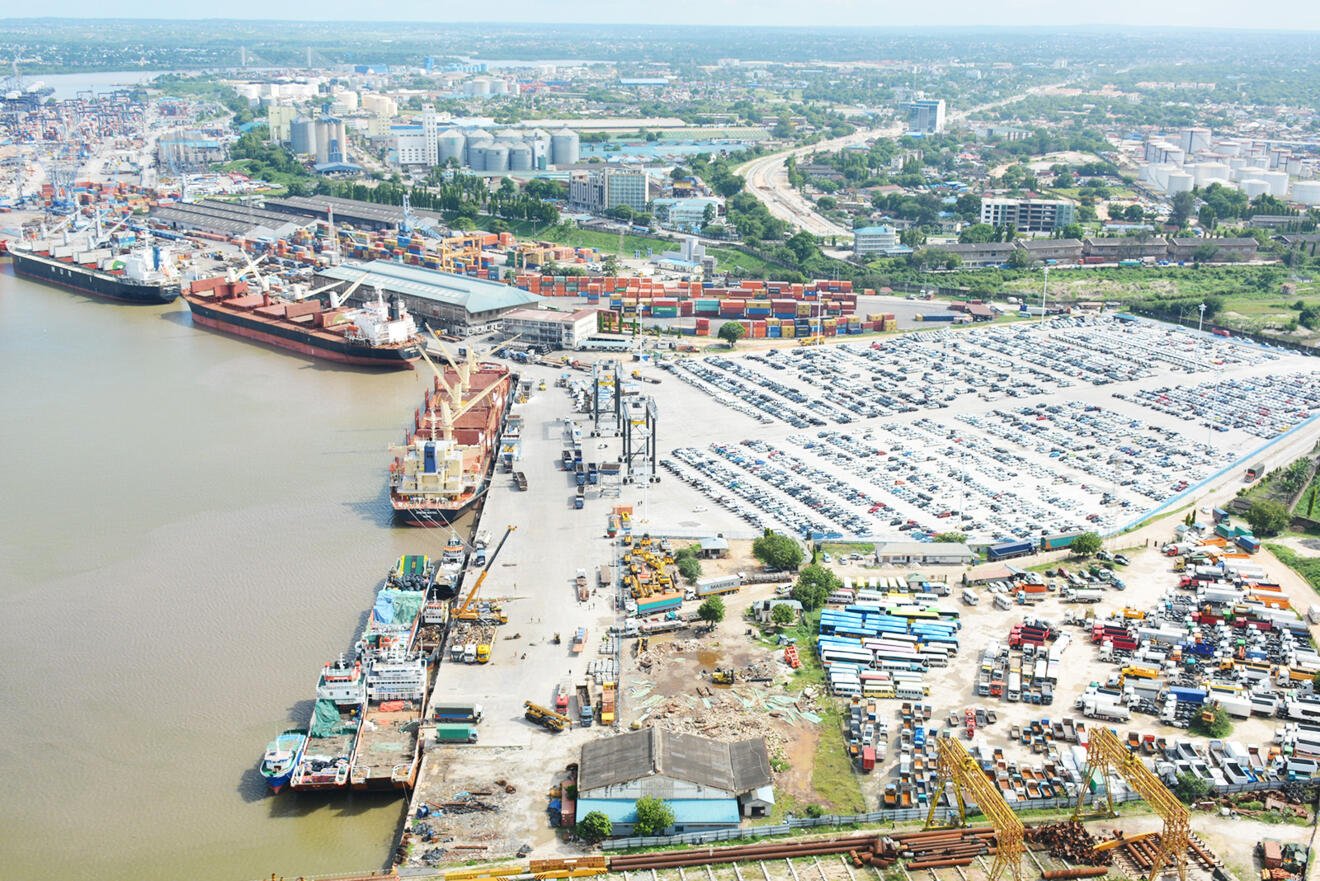
Tanzania has identified ten wards in Dar es Salaam's Temeke Municipality for port related logistics development following a 21.7% increase in cargo throughput to 33.7 million tonnes in 2025/26. TASAC has identified five wards for initial development, while ACT Wazalendo has raised concerns over potential displacement and called for greater investment in Kwala Dry Port. The proposal highlights growing competition for urban land as Tanzania expands its maritime infrastructure and seeks more efficient freight connections to domestic and regional markets.
Tanzania is advancing plans to accommodate port-related logistics activities across ten wards in Dar es Salaam's Temeke Municipality following a sharp increase in cargo handled at the Port of Dar es Salaam, which reached 33.7 million tonnes in the 2025/26 financial year. The initiative is intended to expand container storage, freight handling and supporting commercial activities around the country's principal maritime gateway but has prompted objections from ACT Wazalendo over potential displacement and the use of established residential neighbourhoods for logistics infrastructure. The government maintains that the plan is intended to create investment opportunities for residents rather than forcibly relocate them.
Tanzania's growing maritime trade is creating new demands on urban land in Dar es Salaam, where authorities have identified ten wards in Temeke Municipality for development associated with port operations, inland container depots and supporting logistics activities. The proposal follows rapid growth in cargo handling at the Port of Dar es Salaam, where throughput increased from 27.7 million tonnes in the 2024/25 financial year to 33.7 million tonnes in 2025/26, according to figures released by port authorities. The six million tonne increase represents approximately 21.7% annual growth, placing additional pressure on container storage, truck parking, road access and the commercial facilities required to move cargo between the port and inland destinations.
The ten wards identified for the initiative are Keko, Azimio, Buza, Sandari, Kilakala, Mtoni, Makangarawe, Temeke, Miburani and Yombo Vituka. The plan became a subject of public debate after Temeke District Commissioner Sixtus Mapunda discussed the potential transformation of additional areas into port-related commercial zones during an August 27 inspection of logistics facilities in Kurasini. On September 4, Mapunda explained that the municipality was responding to increased port activity and the growing need for space to accommodate cargo operations, while disputing claims that the government intended to forcibly remove residents. The proposal subsequently advanced into institutional discussions involving the Tanzania Shipping Agencies Corporation (TASAC) and Temeke's municipal leadership.
On September 25, TASAC convened a meeting with Temeke's mayor, members of Parliament, municipal officials and other representatives to discuss the designation and development of land for port activities. According to the agency's September 27 statement, the discussions covered implementation arrangements, community participation, existing transport infrastructure and potential cost recovery charges associated with damage to roads and other public infrastructure caused by port operations. The agency also identified Keko, Sandari, Kilakala, Mtoni and Azimio among the areas proposed for the first phase, establishing a more specific development sequence than had been publicly available when the initiative first attracted controversy.
The economic significance of the proposal extends beyond the designation of land for container yards. Dar es Salaam is Tanzania's principal maritime gateway and a major transport connection for countries including Zambia, the Democratic Republic of Congo, Burundi, Rwanda, Malawi, Uganda and Zimbabwe. Expanding the port's cargo handling capacity increases demand for storage facilities, transport terminals, warehouses, customs services and freight distribution networks. The commercial challenge concerns how these activities should be located across the city and surrounding regions, particularly when industrial demand for land competes with residential settlements, neighbourhood businesses and public infrastructure.
Dar es Salaam's Cargo Growth Is Increasing Demand for Logistics Land
The Port of Dar es Salaam has undergone substantial operational improvements and infrastructure investment in recent years, including channel deepening, berth rehabilitation, equipment upgrades and private sector participation in terminal operations. In September 2026, Port Director Abed Gallus reported that cargo throughput reached 33.7 million tonnes during the 2025/26 financial year, compared with 27.7 million tonnes in the preceding year. The increase exceeded the port's historical average annual growth of approximately 1.5 million tonnes and demonstrated the pace at which additional logistics capacity was becoming necessary.
The Tanzania Ports Authority is also pursuing an expansion programme intended to increase the port's berths from 12 to 22, with reported investment requirements of approximately $2 billion. The programme includes additional berthing capacity, improvements to marine infrastructure and supporting investments in cargo handling and inland transport. Under the updated Port Master Plan, the authority projects annual cargo throughput could reach 62 million tonnes by 2031, creating a substantially larger market for transport operators, container depots, warehousing companies and other logistics service providers.
The expansion of maritime capacity has implications for the movement of cargo beyond the waterfront. Containers arriving at the port must be cleared, transported, stored or delivered to final destinations, while export cargo requires facilities through which goods can be consolidated before loading. These operations depend on road infrastructure, truck parking areas, inland container depots, customs processing systems and connections with rail services. Where these facilities do not expand alongside port throughput, congestion can move from the terminal to the surrounding roads, industrial neighbourhoods and commercial facilities, increasing the cost of transport even when vessels are unloaded more efficiently.
This relationship helps explain why improvements in maritime terminal operations have intensified the need for complementary inland logistics facilities. A port may reduce the time required to unload a ship, but the cargo must still move through customs procedures and onward transport networks. Where container depots, truck terminals and distribution facilities cannot accommodate additional volumes, faster cargo discharge can increase pressure on the roads and commercial areas immediately outside the port. For importers, freight forwarders and transport companies, the financial consequences include longer delivery times, greater fuel consumption, higher vehicle operating costs and additional working capital tied up in goods awaiting delivery.
The concentration of freight activity around Temeke reflects the municipality's proximity to port terminals, industrial facilities and established transport corridors. Commercial operators benefit from shorter journeys between the port and their facilities, particularly when containers require inspection, consolidation, temporary storage or transfer to another transport service. This proximity has contributed to the development of inland container depots and freight related businesses in neighbourhoods such as Kurasini, where industrial and logistics activities have expanded over time.
However, the same concentration creates additional costs for the city. Heavy commercial vehicles place considerable demands on roads that also serve residential neighbourhoods, schools, markets and public transport. Truck parking and container storage require extensive land, while the movement of large vehicles can affect traffic conditions and the accessibility of neighbouring businesses. The financial benefits of additional logistics investment must therefore be considered alongside the costs of maintaining public infrastructure and accommodating commercial freight activity within densely populated urban areas.
Five Wards Identified for the First Phase as TASAC Advances Planning
The government's proposal covers ten wards, although the development arrangements are expected to vary according to land availability, existing infrastructure and commercial requirements. TASAC's September statement identified Keko, Sandari, Kilakala, Mtoni and Azimio among the locations proposed for the first phase. The other wards included in the wider plan are Buza, Makangarawe, Temeke, Miburani and Yombo Vituka. The agency indicated that the initiative would focus on designated areas within these wards rather than automatically converting every property or residential settlement into a logistics facility.
The September 25 meeting was attended by Temeke Mayor Uzairu Athumani, Municipal Director Jomaary Satura and other municipal representatives, who met TASAC Director General Mohamed Salum. The discussions addressed the selection of development areas, implementation arrangements, participation of affected communities and the relationship between proposed logistics facilities and existing transport infrastructure. TASAC also identified the availability of roads, the TAZARA railway, parking facilities and related commercial activities as considerations informing the selection of locations.
The distinction between designated areas within wards and the transformation of entire wards is central to understanding the proposal. Wards are administrative areas containing residential property, commercial establishments, public services and transport infrastructure. A proposal to allocate particular sites for logistics development does not necessarily mean that all land within an administrative ward will be acquired or redeveloped. Nevertheless, the location and scale of the sites selected will determine which residents, property owners and businesses may be affected by changes in land use.
The agency also clarified that Tandika, Chang'ombe and Kurasini are not part of the new designation because they already have defined strategic commercial roles. Tandika is recognised as a trading centre, Chang'ombe as an industrial area and Kurasini as an established location for port activities. The proposed Temeke development would therefore extend logistics planning into additional areas while building on commercial and transport activities already concentrated in the southern part of Dar es Salaam.
From a planning perspective, the commercial rationale is to allocate sufficient space for the activities generated by rising port throughput while considering their relationship with the surrounding city. Inland container depots require access for heavy vehicles, appropriate surfaces for container handling, equipment for lifting and stacking cargo, security infrastructure and connections to customs and freight processing services. Warehousing and distribution facilities have different requirements depending on whether they handle general merchandise, refrigerated goods, industrial inputs or export commodities. Identifying sites with suitable access and supporting infrastructure can reduce some development costs, particularly where businesses can operate close to established freight routes.
The September discussions also addressed potential cost recovery charges linked to damage to public infrastructure caused by port related activities. This is commercially relevant because the operation of freight facilities can impose infrastructure maintenance costs on municipal authorities. Roads used regularly by heavy trucks require different maintenance arrangements from those primarily serving passenger vehicles and light commercial traffic. A cost recovery mechanism could provide a basis for allocating part of the expense to the activities generating additional infrastructure demand, although its implementation would depend on the design of the charges and the institutions responsible for collecting and applying the revenue.
ACT Wazalendo Opposes the Plan Over Displacement and Community Costs
The proposed redevelopment has attracted opposition from ACT Wazalendo, which raised concerns that expanding dry port activities into established residential areas could lead to the displacement of residents and disruption of existing economic activities. In a September 3 statement, the party's Dar es Salaam regional leadership challenged the proposal and called for greater transparency over the intended use of land, the communities potentially affected and the arrangements for protecting residents' interests.
ACT Wazalendo Regional Secretary Felix Kamugisha argued that the redevelopment could affect households and businesses already established in Temeke, particularly if land currently occupied by residential communities is required for container depots or other freight infrastructure. The party's objections reflect concerns about the economic consequences of relocating communities that have developed livelihoods around existing markets, transport connections and commercial activities. It also proposed that the government prioritise dedicated logistics locations outside central Dar es Salaam, including Kwala in the Coast Region.
District Commissioner Sixtus Mapunda rejected the interpretation that the government was preparing to remove residents indiscriminately. He maintained that the proposal was intended to prepare Temeke for increased economic activity resulting from the port's expansion and create commercial opportunities associated with freight operations. His position reflects the government's argument that existing neighbourhoods can benefit from the growth of logistics, warehousing, transport and supporting businesses where land use is planned to accommodate these activities.
The disagreement concerns the distribution of economic benefits and costs. Port expansion can generate investment, employment, additional municipal revenue and demand for services, but those benefits may not accrue equally to existing residents. Property owners may benefit from increased commercial demand for land, while tenants and smaller businesses can face higher rents or the loss of premises if an area becomes more attractive for industrial and logistics activities. The consequences also depend on whether residents are able to participate in new commercial opportunities or whether redevelopment changes the character of neighbourhoods in ways that make existing livelihoods difficult to maintain.
For small businesses, location is often an essential component of commercial viability. Retailers, food vendors, workshops, transport operators and service providers depend on access to customers and established supplier relationships. Relocating such businesses involves more than the physical cost of moving equipment or stock because their commercial value may depend on the customer traffic and networks associated with their existing premises. Displacement can therefore affect income even where replacement premises are provided.
Residential property also has an economic function beyond its market price. Households select locations according to employment, schools, healthcare services, transport costs and family relationships. Moving residents further from workplaces can increase daily expenses and travel times, while changes in local land use can affect surrounding property values and the demand for municipal services. These costs should form part of the assessment of any redevelopment proposal involving established communities.
The current planning discussions have identified the wards and some first phase areas, but the available official statements do not provide a comprehensive public schedule of affected properties, acquisition requirements or compensation amounts. These details will determine the actual scale of any displacement and the costs associated with converting land for logistics activity. They are also essential for distinguishing commercial redevelopment that can proceed through existing property transactions from projects requiring formal land acquisition and relocation.
Could Kwala Dry Port Offer a More Economical Alternative?
ACT Wazalendo's proposal to prioritise Kwala introduces a substantial economic question about where Tanzania should locate the infrastructure required by its expanding maritime trade. Kwala Dry Port, situated in Kibaha District in the Coast Region, was developed to serve as an inland extension of the Port of Dar es Salaam and reduce the concentration of container handling and storage activities within the city. Its location provides access to land outside the most densely developed urban neighbourhoods and opportunities to connect freight movements with Tanzania's expanding railway network.
The Tanzania Ports Authority identifies Kwala as a facility intended to support the movement and storage of containers while easing congestion at Dar es Salaam Port. Its published dry port information lists a yard area of approximately 600,000 square metres, with further development planned. The facility forms part of a wider approach to distributing freight handling across inland terminals rather than concentrating every activity near the maritime waterfront.
Kwala's railway connections are an important part of its commercial proposition. In July 2025, port authorities announced plans to increase container movements from Dar es Salaam to Kwala through block train services associated with the Standard Gauge Railway, indicating an intention to expand the role of rail transport in moving freight away from the city. Railway services can carry large volumes of cargo between terminals, reducing the number of individual truck journeys required for longer distance movements and creating opportunities for inland customs processing, storage and distribution.
The financial advantages of inland logistics facilities become particularly relevant for cargo destined for markets outside Dar es Salaam. Goods moving to inland Tanzania or neighbouring countries do not necessarily need to remain in storage near the city centre once customs and transport arrangements allow them to continue towards their destinations. A railway connected inland terminal can provide a location for transferring containers to trucks, organising cargo movements and serving customers closer to their final destinations.
However, the economic comparison depends on the type and destination of the cargo. Containers destined for industrial facilities, manufacturers and commercial customers within Dar es Salaam may still require relatively close access to the port and urban distribution networks. Moving such cargo to Kwala before transporting it back to the city would introduce an additional journey, handling costs and potential delays. By contrast, cargo travelling to inland destinations may benefit from being transferred to rail and processed at an inland terminal.
The capacity of existing infrastructure also matters. Reporting in August 2026 indicated that Kwala remained under development, with only a small proportion of its allocated land fully developed. Port authorities also identified limits to the capacity of existing railway arrangements to transport all cargo that might otherwise be handled by urban container depots. These constraints demonstrate why Kwala cannot be assessed solely according to the total amount of land allocated to the project. Its effective commercial capacity depends on completed handling areas, equipment, rail services, customs facilities and the ability to process cargo at the volumes required by shipping and transport operators.
The most economically relevant comparison is therefore between different freight movements rather than between two locations in isolation. Cargo serving industrial customers within Dar es Salaam may require facilities close to the port, while long distance transit cargo could be handled more efficiently through inland depots and railway terminals. A system that allocates cargo according to destination, transport mode and handling requirements could reduce unnecessary movements while preserving urban land for activities that genuinely benefit from proximity to the waterfront.
This distinction also has implications for Tanzania's competitive position in regional freight markets. Importers and exporters serving Zambia, Rwanda, Burundi and eastern DRC evaluate the total cost of moving goods between their destinations and the maritime port. Efficient inland terminals can contribute to lower costs where railway services, storage and customs procedures are coordinated effectively. The economic value of Kwala therefore extends beyond reducing congestion in Dar es Salaam because it can support the performance of the wider Central Corridor.
The Economic Value of Temeke's Land Extends Beyond Container Storage
The proposal also raises questions about the allocation of increasingly valuable urban land. Temeke contains residential neighbourhoods, markets, industrial activities, transport businesses and other commercial establishments that have developed over many years. Converting additional land into logistics facilities may increase its value for warehousing and freight operations, but it also changes the opportunities available to households and existing enterprises.
For developers of inland container depots, land is a major investment requirement because the facilities need sufficient space for container stacking, vehicle circulation, loading equipment and supporting infrastructure. Locations close to the port can reduce transport expenses and improve the speed at which containers move between terminals and storage yards. These advantages create commercial demand for urban land even where the price of acquiring or leasing property is comparatively high.
The economic benefits of using Temeke land for logistics depend on the additional freight capacity created, the transport costs saved, employment opportunities generated and the commercial activity supported by the development. These benefits must be assessed against the land's existing economic uses, including residential housing, retail trade, workshops and other businesses that contribute to employment and household income.
For public authorities, there are also direct financial considerations involving road construction, drainage, environmental management, utilities, traffic control and maintenance. Container depots and warehouses can generate business licensing revenue, property related taxes and demand for municipal services, but heavy vehicle operations can also accelerate road deterioration and increase expenditure on transport infrastructure. TASAC's discussion of cost recovery charges indicates that the allocation of these expenses is already part of the institutional planning process.
The financial consequences of redevelopment also depend on ownership and tenure arrangements. Landowners may enter commercial partnerships with developers or sell their interests where permitted under applicable law, while other projects may involve changes in land use or formal acquisition procedures. Each arrangement affects compensation, financing requirements and the distribution of commercial returns. A transparent planning framework can help residents and investors understand the proposed development areas and assess the costs associated with implementation.
There is also an opportunity for local participation in the expanding freight industry. Logistics operations require vehicle maintenance, spare parts, catering, security services, warehouse equipment, freight documentation, cleaning, transport support and other commercial services. Existing businesses in Temeke could benefit from supplying these activities if investment arrangements and procurement opportunities allow them to participate. The development of logistics infrastructure can therefore support surrounding enterprises where commercial growth is integrated with existing economic activity.
The distribution of these benefits will depend on the development model adopted. A large container depot may generate substantial freight handling revenue while employing fewer workers than a comparable area occupied by several labour intensive commercial activities. Other logistics investments may support a wider range of jobs and supplier relationships. Assessing the commercial value of redevelopment consequently requires examining the activities that will occupy the land, the employment they generate and the extent to which their economic benefits remain within the municipality.
Tanzania's Port Expansion Requires an Integrated Freight Strategy
The proposed development of ten Temeke wards reflects a broader change in the scale of Tanzania's maritime trade. Dar es Salaam Port handled 33.7 million tonnes of cargo in the 2025/26 financial year, reaching a level of activity that port authorities had previously expected several years later. Continued investment in marine infrastructure, terminal equipment and operational efficiency is increasing the amount of cargo that the port can process, creating corresponding demand for more efficient inland transport and storage facilities.
Tanzania is also investing in the Standard Gauge Railway, road corridors, inland terminals and other infrastructure intended to strengthen its position as a transport gateway for East and Central Africa. These investments are commercially connected because port capacity generates greater economic value when freight can move efficiently to customers, factories, warehouses and regional markets. A container unloaded quickly from a vessel can still become expensive for its owner if it remains delayed in storage or spends excessive time moving through congested roads.
The development of Kwala Dry Port and the designation of additional logistics locations in Temeke represent different components of this transport challenge. Inland terminals can accommodate cargo moving towards upcountry destinations and neighbouring countries, while facilities closer to the port can serve industrial and commercial customers requiring access within Dar es Salaam. The efficiency of the overall system depends on allocating suitable activities to each location and coordinating freight movements between maritime terminals, rail services, roads and storage facilities.
For investors, the expansion creates opportunities in warehousing, freight handling, logistics technology, truck operations, maintenance and other commercial services. For municipal authorities, it increases the importance of planning transport infrastructure and managing the relationship between industrial activity and residential development. For households and existing businesses, the consequences will depend on the specific land identified for redevelopment and the arrangements through which commercial investment is introduced.
The September 25 discussions between TASAC and Temeke's leadership established a more detailed institutional process for the proposal, identifying the wards, first phase locations and issues associated with community participation and infrastructure costs. Further implementation will determine the extent to which the plan can accommodate additional freight activity while maintaining access to residential and commercial services in surrounding neighbourhoods.
Tanzania's expanding port capacity provides an opportunity to increase its share of regional freight, attract logistics investment and improve the competitiveness of trade corridors serving neighbouring economies. The development of Temeke and Kwala will influence how those gains are distributed between the city, inland regions, transport operators and the communities whose land and infrastructure support the movement of cargo.
The underlying economic task is to ensure that rising maritime throughput produces corresponding improvements in inland freight efficiency. With Dar es Salaam Port already handling more than 33 million tonnes annually and further expansion planned, decisions about container depots, railway terminals and urban land use will increasingly determine the cost of moving goods through Tanzania's principal international trade gateway.
FAQ
Which ten wards in Temeke have been identified for port logistics development? The wards are Keko, Azimio, Buza, Sandari, Kilakala, Mtoni, Makangarawe, Temeke, Miburani and Yombo Vituka.
Which wards are included in the first phase? TASAC identified Keko, Sandari, Kilakala, Mtoni and Azimio among the locations proposed for the initial phase during discussions held on September 25, 2026.
Why does Tanzania want to expand logistics facilities in Temeke? Cargo throughput at the Port of Dar es Salaam increased from 27.7 million tonnes in 2024/25 to 33.7 million tonnes in 2025/26, creating greater demand for container storage, truck parking, warehousing and inland freight handling infrastructure.
Will residents of Temeke be relocated? The government has disputed claims of indiscriminate forced relocation and described the plan as an opportunity for commercial development. The available official statements do not establish a comprehensive list of properties requiring acquisition or relocation.
Why has ACT Wazalendo opposed the proposal? The party has raised concerns about potential displacement and disruption to established residential communities. It has proposed prioritising existing inland logistics locations such as Kwala Dry Port.
Where is Kwala Dry Port? Kwala Dry Port is located in Kibaha District in Tanzania's Coast Region, approximately 80 kilometres west of Dar es Salaam. It was developed as an inland extension of the Port of Dar es Salaam and is intended to reduce freight congestion in the city.
How much cargo does Dar es Salaam Port handle? The port handled approximately 33.7 million tonnes of cargo during the 2025/26 financial year, compared with 27.7 million tonnes in 2024/25.
How could railway transport reduce congestion in Dar es Salaam? Railway services can move containerised freight between the maritime port and inland terminals, reducing the need for individual long distance truck movements where cargo destinations and handling facilities are suitable for rail transport.
 Uchumi360
Business Intelligence
Uchumi360 covers business, investment, and economic policy across East, Central, and Southern Africa.
For the serious reader
You read to the end. That places you in a small group.
Uchumi360 is built for readers who demand precision over speed, structure over sentiment, and analysis that holds uncomfortable conclusions rather than softening them. If this work sharpens how you think about Africa's economy, help us keep building the infrastructure behind it.
Institutional Partners
Commission intelligence. Shape the conversation.
Uchumi360 works with development finance institutions, investment firms, sovereign bodies, and strategic organisations across the coverage region. Institutional partnership unlocks:
- Commissioned sector and country intelligence reports
- Branded research series under your institution's authority
- Exclusive data briefings for internal strategy teams
- Speaking and editorial presence at Uchumi360 events
- Co-published investment outlooks for your markets
Support Our Work
Independent analysis has a cost. Help us bear it.
Uchumi360 does not carry advertising. It does not take editorial direction from sponsors. Every article is produced without commercial compromise. Your contribution funds the reporting, research, and editorial infrastructure that keeps this analysis free from influence.
Secure checkout: One-time and monthly support are processed securely. Add payment credentials to enable checkout here.
Stay Connected
Keep up with every new insight.
Follow our latest analysis, policy coverage, and market intelligence as soon as it is published. If you need something specific, reach out directly and we will point you to the right research.
