

What the Expansion of Mandela Road Means for Tanzania’s Economy
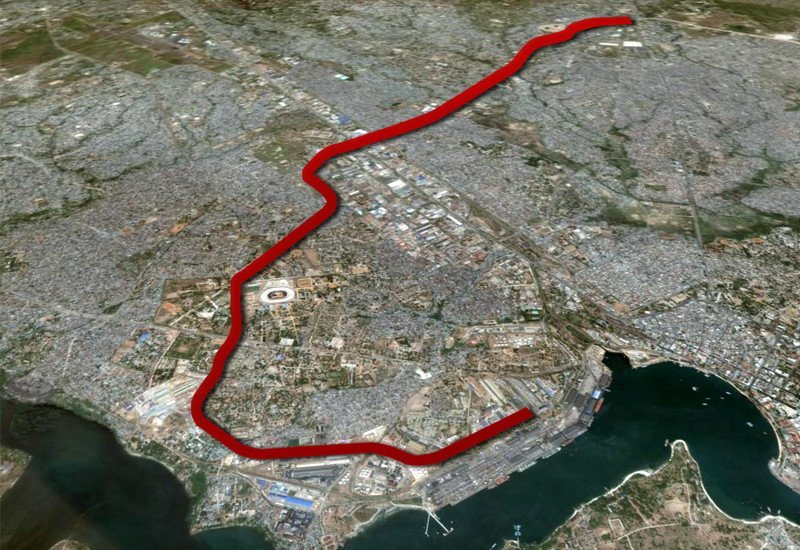
The widening of Mandela Road may appear to be a local infrastructure project, but its economic significance is national and regional. By reducing congestion, improving cargo movement, and strengthening the logistics corridor linking the port to inland markets, Tanzania is reinforcing its position as a key gateway for trade in East and Central Africa.
A Congested Corridor at the Heart of Dar es Salaam’s Economy
For many years, traffic congestion along Mandela Road has been one of the most visible logistical bottlenecks in Dar es Salaam. This road is not just another urban route; it is the main freight corridor connecting the Port of Dar es Salaam with several major highways that distribute goods across the country and the wider region.
Daily congestion along Mandela Road significantly affects economic activities. Long queues of cargo trucks, fuel tankers, and commercial vehicles often slow down the movement of goods between the port, warehouses, industrial zones, and inland transport corridors. These delays increase fuel consumption, transport costs, and delivery times for businesses that depend on reliable logistics.
The situation becomes even more critical because Mandela Road links several major economic arteries of the city, including Kilwa Road, Nyerere Road, and Morogoro Road. These routes connect key commercial and industrial zones, while also serving as gateways to other parts of the country. In addition, Mandela Road channels traffic toward densely populated and economically active areas such as Tabata and Amana, where transport congestion often spills into surrounding streets and neighborhoods.
Because of this strategic position within the city’s transport network, congestion on Mandela Road creates ripple effects across the entire urban economynfrom delayed cargo shipments and higher logistics costs to slower movement of workers and public transport.
The government’s plan to widen Mandela Road from Ubungo to the Port of Dar es Salaam therefore represents a critical intervention aimed at improving logistics efficiency, strengthening trade flows, and supporting Tanzania’s broader economic growth.
Below are the key economic implications of the project.
1. Faster Movement of Cargo from the Port
The Port of Dar es Salaam handles the majority of Tanzania’s imports and exports, as well as cargo destined for neighbouring countries.
However, congestion along Mandela Road has often slowed truck movement between the port and logistics hubs such as Ubungo and inland transport corridors.
Widening the road will increase traffic capacity, allowing trucks to move faster and reducing waiting times for cargo transportation. This improvement can significantly lower logistics costs and enhance trade efficiency.
For exporters and importers, faster cargo movement means reduced delays, improved reliability of delivery schedules, and lower transportation expenses.
2. Strengthening Tanzania’s Role as a Regional Trade Gateway
The Port of Dar es Salaam serves several landlocked countries including:
· Zambia
· Rwanda
· Burundi
· Democratic Republic of the Congo
For these countries, efficient access to the port is critical for imports and exports.
Improving Mandela Road strengthens Tanzania’s competitiveness as a transit trade corridor compared to alternative routes in neighboring countries.
If cargo can move faster and more efficiently through Tanzania, regional traders are more likely to choose the Dar es Salaam port corridor.
3. Lower Transport and Logistics Costs
Transport costs are a major component of the price of goods in many African economies.
Road congestion increases fuel consumption, vehicle wear and tear, and delivery delays, all of which raise logistics costs.
By expanding Mandela Road, Tanzania can reduce transport inefficiencies, making the movement of goods cheaper.
Lower logistics costs benefit multiple sectors including:
· Manufacturing
· Agriculture
· Wholesale and retail trade
· Construction materials
Ultimately, this helps reduce the overall cost of goods in the economy.
4. Supporting Industrial Growth
Efficient transport infrastructure is essential for industrial development.
Industries rely on reliable logistics systems to transport raw materials to factories and distribute finished products to markets.
Improving the Mandela Road corridor will support industrial areas located around Dar es Salaam and along inland transport routes.
As Tanzania continues to promote industrialization through manufacturing and processing industries, improved logistics corridors will be critical to sustaining production growth.
5. Complementing Major Infrastructure Projects
The road expansion also complements other strategic infrastructure investments in Tanzania.
For example, the development of the Standard Gauge Railway aims to improve rail cargo transport between the port and inland regions.
A wider Mandela Road ensures that trucks transporting cargo to and from rail terminals, warehouses, and industrial zones can move efficiently.
This integrated approach to infrastructure development strengthens Tanzania’s logistics ecosystem.
6. Job Creation and Urban Economic Activity
Large infrastructure projects generate employment during both construction and operational phases.
Road expansion projects create jobs for engineers, construction workers, logistics operators, and service providers.
Beyond direct employment, improved infrastructure stimulates economic activity in surrounding areas, including:
· Logistics services
· Warehousing
· Retail trade
· Transportation businesses
Over time, this can transform transport corridors into vibrant economic zones.
7. Enhancing Tanzania’s Global Trade Competitiveness
Global trade increasingly depends on efficient logistics networks.
Countries with efficient transport corridors and modern ports attract more trade, investment, and industrial activity.
By improving the connectivity between Ubungo and the Port of Dar es Salaam, Tanzania strengthens its ability to compete with other regional trade hubs.
Efficient transport systems signal to investors that the country is serious about building a modern and competitive economy.
The Bigger Economic Picture
The widening of Mandela Road may appear to be a local infrastructure project, but its economic significance is national and regional.
By reducing congestion, improving cargo movement, and strengthening the logistics corridor linking the port to inland markets, Tanzania is reinforcing its position as a key gateway for trade in East and Central Africa.
If combined with continued investments in railways, ports, and industrial zones, infrastructure upgrades like this can play a major role in accelerating Tanzania’s transformation into a regional logistics and manufacturing hub.