

Is Zanzibar Becoming Africa’s Offshore Property Haven?
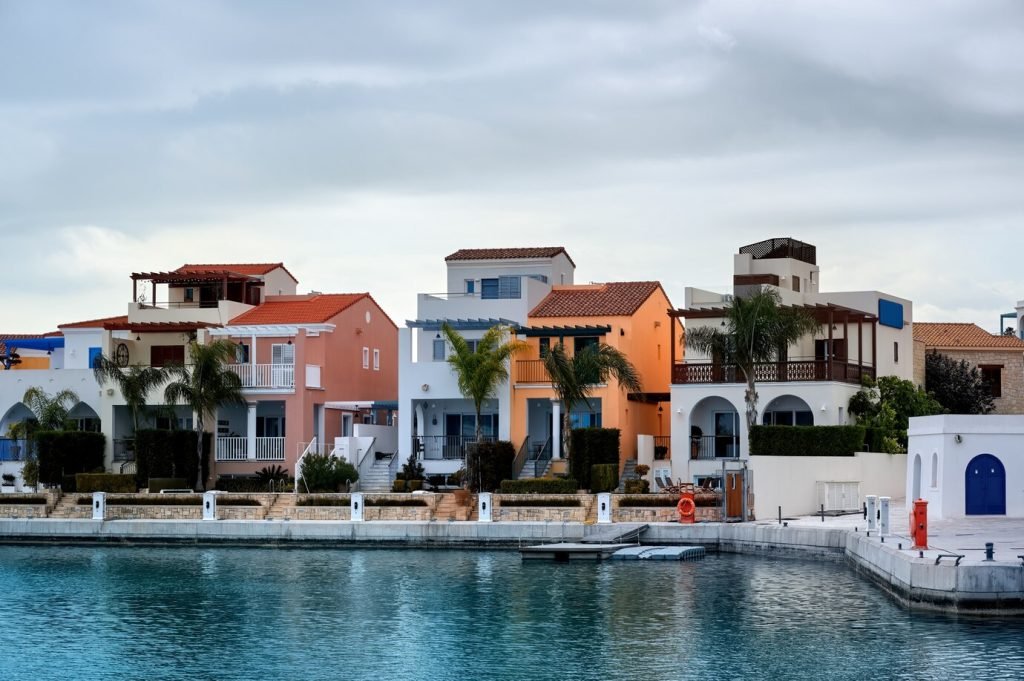
Luxury estates, master-planned communities, and beachfront villas are rapidly reshaping Zanzibar’s coastline. As foreign buyers pour capital into property, the island stands at a crossroads between inclusive development and becoming Africa’s next offshore real estate haven.
Zanzibar is quietly undergoing a transformation that could redefine its economic identity for decades. Beyond the postcard image of white-sand beaches and spice tours, the archipelago is rapidly emerging as a magnet for high-end property investment. Luxury villas, gated communities, serviced apartments, and mixed-use urban enclaves are multiplying along its coastline and peri-urban zones.
The critical question is no longer whether Zanzibar is attracting foreign real estate capital. It is whether the island is evolving into Africa’s version of an offshore property haven, a jurisdiction where global wealth parks itself in land and buildings rather than productive enterprise.
A Construction Boom Unlike Any Before
Projects such as Infinity Hills, Fumba Town, luxury resort residences in Nungwi and Matemwe, and a growing pipeline of private villa estates signal a structural shift rather than isolated developments.
Fumba Town, backed by international investors, has positioned itself as a “sustainable city” with hundreds of homes already built and thousands more planned. Elsewhere, beachfront developments increasingly target European retirees, Middle Eastern investors, and diaspora buyers seeking second homes in politically stable tropical locations.
Several features distinguish this boom:
- Large-scale master planning instead of standalone hotels
- Sales denominated in US dollars or euros
- Marketing aimed primarily at non-residents
- Emphasis on lifestyle rather than local housing demand
- Integration of retail, leisure, and private services
This model mirrors property-driven economies such as Dubai, Mauritius, and parts of the Mediterranean.
Why Global Capital Is Flowing In
Zanzibar offers a rare combination of attributes that investors find difficult to replicate elsewhere:
- Political stability within the United Republic of Tanzania
- Strategic location along Indian Ocean trade routes
- Year-round tropical climate
- Relatively liberal property ownership structures for foreigners
- Growing international air connectivity
- Perception of safety compared to other coastal markets
In an era of geopolitical uncertainty, tangible assets in stable jurisdictions are increasingly attractive. For wealthy buyers, a beachfront apartment in Zanzibar is not just a holiday home. It is a hedge against inflation, currency volatility, and political risk in their home countries.
The Hard Currency Effect
Real estate purchases by foreigners inject foreign exchange directly into the economy, strengthening reserves and supporting the balance of payments. For a country seeking to industrialize while managing external debt pressures, this inflow is politically appealing.
However, the benefits are uneven.
Construction generates jobs and stimulates demand for materials, transport, and services. Yet once projects are completed, many units remain seasonally occupied or function as investment properties rather than primary residences.
This creates what economists call a “low-occupancy urbanism,” where physical infrastructure expands faster than local economic activity.
Who Actually Lives in These Developments?
Most premium developments are priced far beyond the reach of ordinary Tanzanians. Entry-level units often cost several hundred thousand US dollars, placing them firmly in the domain of foreign buyers and regional elites.
This produces a bifurcated housing landscape:
- High-end enclaves with private infrastructure and services
- Local settlements facing rising land prices and housing shortages
If unmanaged, this dynamic risks pushing local communities inland while prime coastal zones become exclusive investment territories.
Such patterns are visible in other island economies, where tourism-driven property markets gradually displace traditional livelihoods.
The Policy Tightrope
For policymakers in Zanzibar and mainland Tanzania, the real estate boom presents a delicate balancing act.
On one side:
- Foreign investment accelerates development without public borrowing
- Infrastructure improves through private capital
- Government revenues rise from fees and taxes
- International visibility increases
On the other:
- Land speculation can inflate property bubbles
- Economic dependence shifts toward non-productive assets
- Inequality widens between foreign buyers and local residents
- Cultural and environmental pressures intensify
Mauritius successfully leveraged offshore property investment to achieve upper-middle-income status, but not without significant cost-of-living increases. Seychelles experienced similar trade-offs, including housing affordability crises for locals.
From Tourism Economy to Asset Economy
Perhaps the most profound implication is structural. Zanzibar may be transitioning from a service-based tourism economy to an asset-based economy where land becomes the primary engine of growth.
This model has advantages. Asset-driven growth can produce rapid capital accumulation and visible modernisation.
But it also carries risks:
- Vulnerability to global financial cycles
- Limited job creation compared to manufacturing
- Potential crowding out of productive sectors
- Exposure to speculative booms and busts
Without diversification, an economy anchored in property can experience dramatic volatility when investor sentiment shifts.
Is This a Strategic Opportunity or a Development Trap?
Zanzibar’s trajectory is not predetermined. The island could evolve into a high-income service hub with world-class infrastructure, or into an enclave economy dominated by seasonal residents and foreign-owned assets.
The difference lies in governance choices.
Policies that could tilt outcomes toward inclusive growth include:
- Requirements for local employment and skills transfer
- Investment in affordable housing alongside luxury projects
- Integration with mainland supply chains
- Strategic land-use planning
- Environmental safeguards for coastal ecosystems
Absent such measures, the benefits of the boom may remain concentrated while social pressures intensify.
A Crossroads Moment
Zanzibar is at a historic inflection point. The surge in high-end real estate development reflects confidence in its stability and global appeal. Projects like Infinity Hills, Fumba Town, and numerous beachfront estates demonstrate that the island has entered the radar of international capital.
Yet the same forces driving prosperity could, if unmanaged, reshape the archipelago into an offshore property haven where wealth accumulates in buildings rather than broad-based economic opportunity.
For Tanzania as a whole, the stakes are significant. Zanzibar’s evolution will influence coastal development strategies, foreign investment policy, and the country’s positioning in the Indian Ocean economy.
The question is no longer whether Zanzibar will change. It is who that change will ultimately serve.
