

Urban Squatting and Informal Settlements: Where Policy Is Falling Short
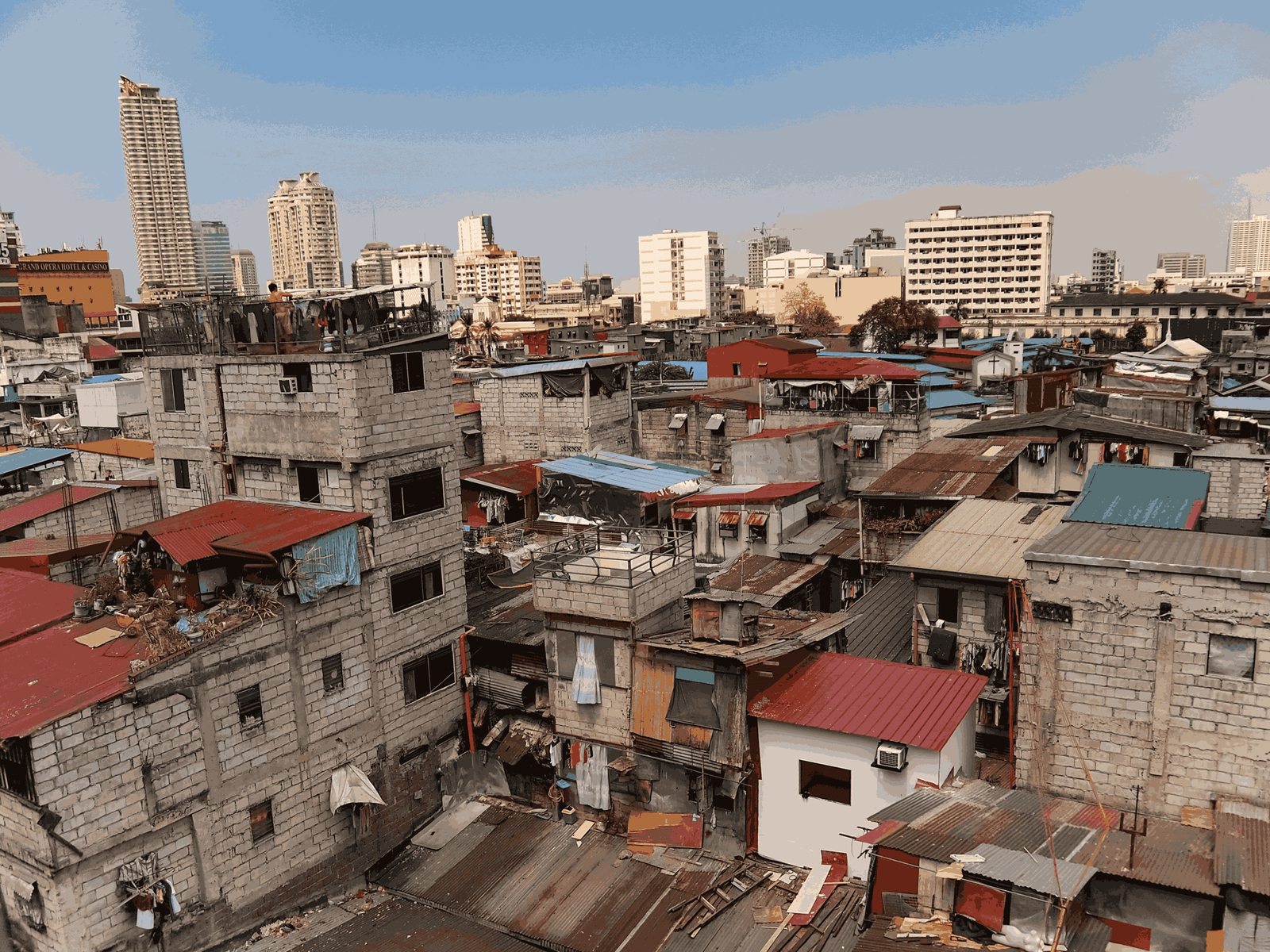
A major barrier to formal housing is the prolonged process of land registration and titling. Many urban residents occupy land informally for decades without legal recognition.
Urbanization in Tanzania has been rapid and uneven. Today, over 60% of urban residents live in informal settlements or squatter communities, reflecting persistent gaps in housing supply, urban planning, and land administration. Cities like Dar es Salaam, Mwanza, Arusha, and Dodoma have seen sprawling informal neighborhoods emerge along rivers, hillsides, and peri-urban areas.
These settlements often lack basic services, including clean water, sanitation, electricity, and waste management. Roads are frequently unpaved, drainage systems inadequate, and emergency access limited. While informal settlements provide low-cost shelter for millions, their growth exposes systemic failures in housing policy, urban governance, and municipal service delivery.
Policy and Planning Gaps
1. Slow Land Titling and Insecure Ownership
A major barrier to formal housing is the prolonged process of land registration and titling. Many urban residents occupy land informally for decades without legal recognition. This insecurity discourages investment in housing upgrades and prevents residents from accessing formal financing for home improvements.
2. Weak Enforcement and Regulatory Oversight
Urban planning regulations exist on paper, but enforcement is often inconsistent or absent. Illegal subdivisions, unapproved constructions, and encroachments go largely unchecked, reinforcing informal settlement expansion. Municipal authorities face limited capacity and political constraints, making enforcement challenging.
3. Affordability Gaps in Housing Supply
The formal housing market primarily serves middle- and high-income groups, leaving low-income households priced out. High land costs, expensive construction materials, and restrictive mortgage requirements further restrict access to legal housing, forcing many to seek shelter in informal settlements.
Economic and Social Implications
Informal settlements carry significant economic, social, and public health costs:
- Public Health Risks: Lack of sanitation, drainage, and clean water leads to recurrent outbreaks of waterborne diseases such as cholera and typhoid. Poorly planned settlements also increase vulnerability to fires, floods, and landslides.
- Limited Economic Opportunities: Residents often face limited access to transport, markets, and formal employment, perpetuating cycles of poverty.
- High Municipal Service Costs: Informal settlements require retrofitted infrastructure, which is often more expensive than planning services upfront. Unplanned expansions strain municipal budgets and reduce operational efficiency.
- Lost Revenue Potential: Informal housing is largely untaxed, reducing municipal property tax collections that could finance essential services.
The combined effect is that informal settlements not only harm residents but also constrain broader urban development, economic growth, and municipal governance.
Way Forward: Sustainable Solutions for Informal Settlements
Addressing informal settlements requires a multi-pronged, participatory, and incremental approach:
1. Incremental Upgrading
Gradually improving infrastructure within existing settlements such as roads, drainage, water, and sanitation can enhance living conditions without mass relocation. Incremental approaches are cost-effective and politically feasible.
2. Provision of Serviced Plots
Municipalities can allocate affordable, serviced plots in peri-urban areas with secure tenure, allowing low-income households to construct formal homes over time. This approach reduces pressure on existing informal settlements.
3. Community-Based Financing and Micro-Credit
Cooperatives, community savings schemes, and microfinance tailored for housing can enable residents to invest in home improvements. Linking finance to serviced land plots encourages sustainable housing development.
4. Integration of Informal Settlements into Urban Planning
Instead of treating informal settlements as temporary problems, cities should incorporate them into official urban planning frameworks, ensuring access to utilities, roads, and emergency services. Participatory planning empowers communities while facilitating long-term development.
5. Public-Private Partnerships (PPPs)
Collaboration between government, private developers, and NGOs can mobilize investment for low-cost housing, infrastructure upgrades, and service delivery. PPPs leverage expertise, reduce fiscal pressure, and improve project efficiency.
6. Strengthen Land Administration and Titling
Accelerating land registration and titling programs provides residents with legal security, enabling access to finance, property improvements, and formal markets.
Outlook
Informal settlements in Tanzania reflect structural urban challenges that cannot be solved overnight. However, by combining incremental upgrades, serviced plots, community financing, PPPs, and participatory planning, cities can improve living conditions, expand housing affordability, and enhance municipal efficiency.
Sustainable interventions in informal settlements not only benefit residents but also strengthen urban economies, improve public health, and increase municipal revenue potential, positioning Tanzania’s cities for inclusive and resilient growth in the decades ahead.
