

FDI Inflows: Tanzania's $8 Billion Target Amid Regional Rivalry
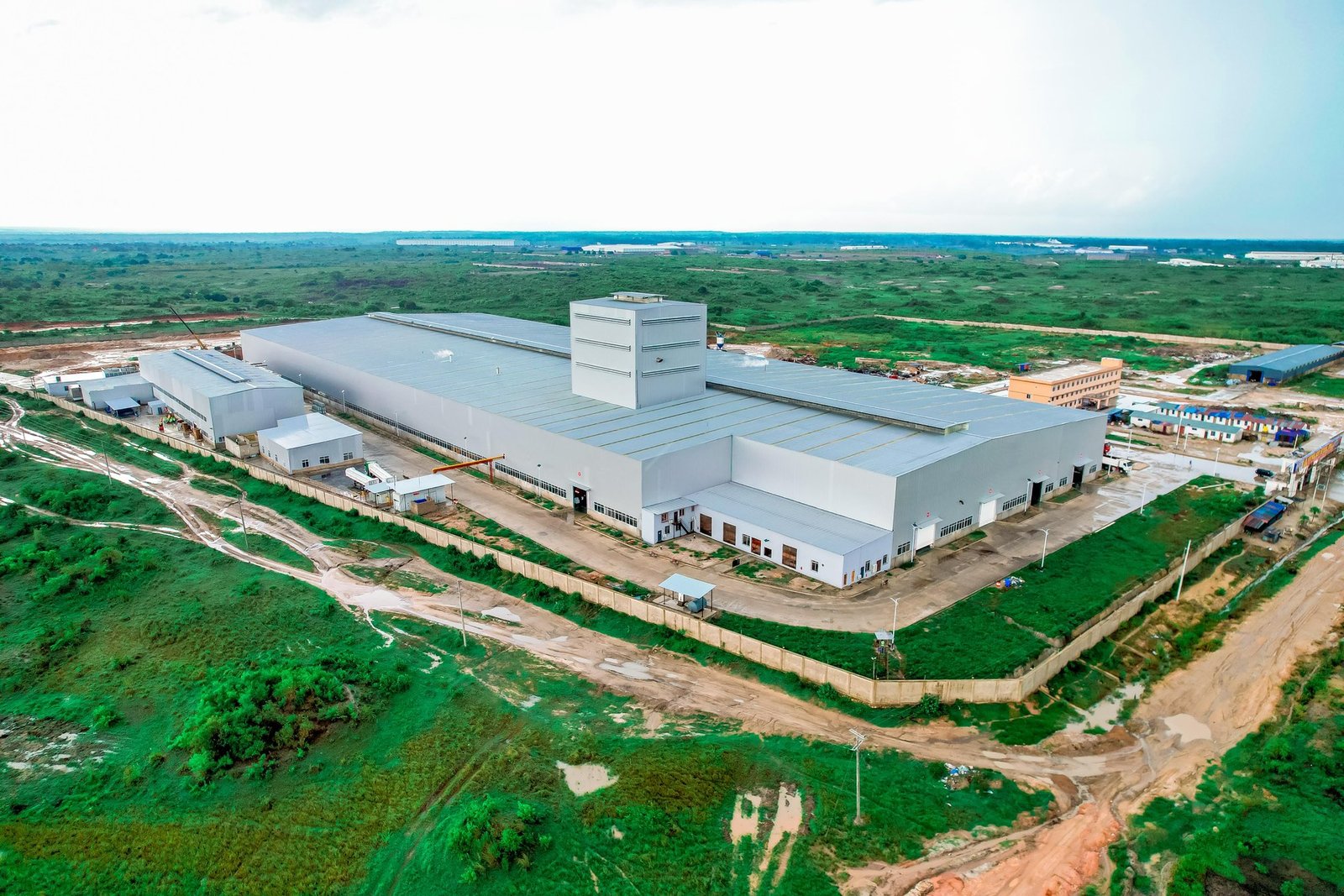
The CCM 2025 manifesto aims for $8 billion in FDI by 2025, building on $1.65 billion in 2023 with the 2022 Investment Act. Bureaucracy and currency risks compete with Kenya’s edge.
By Uchumi360 Economics Desk
DAR ES SALAAM — As Tanzania pursues 6% GDP growth in 2025, the Chama Cha Mapinduzi (CCM) party's manifesto sets an ambitious $8 billion foreign direct investment (FDI) target, building on $1.65 billion in 2023. Driven by the 2022 Investment Act and projects like Bagamoyo Port, the plan aims to outpace regional rivals like Kenya and Uganda. But can Tanzania overcome bureaucratic delays and currency risks to secure this capital?
The sector’s foundation is strengthening. FDI inflows rose 14.7% to $1.65 billion in 2023 from $1.44 billion in 2022, per Bank of Tanzania data, with mining, energy, and infrastructure leading, reflecting the 2022 Investment Act’s tax holidays and land access perks, as noted in the U.S. State Department’s 2024 Investment Climate Statement. The CCM manifesto amplifies this, with the Tanzania Investment Centre (TIC) registering 901 projects in 2024, a 335% jump since 2020. The World Bank reports net inflows at $1.19 billion in 2021, up 26% from $0.94 billion in 2020, signaling a post-COVID recovery.
Looking ahead, the target is bold. The manifesto projects $8 billion by 2025, leveraging Bagamoyo Port’s $10 billion potential and renewable energy’s 8,000 MW goal, aiming for 2-3% of GDP from the current 1.7%. The African Development Bank forecasts mining and tourism could attract $3 billion, with UNCTAD’s 2024 World Investment Report noting a 5.9% uptick to $1.34 billion in 2023. The East African Community (EAC) Secretariat suggests AfCFTA could add $1 billion if tariff barriers fall 20%, enhancing Tanzania’s 67 million-strong market appeal.
Policy and incentives are enablers. E-registration and blockchain transparency, per the manifesto, tackle corruption, a deterrent for 30% of investors, per UNIDO. The IMF projects 6% growth in 2025, rising with reforms, while Deloitte’s East Africa Outlook 2025 estimates 5.3% growth, with infrastructure as a magnet. Yet, bureaucratic delays persist, costing 20% of project timelines, per TIC data, and the shilling’s 10% depreciation in 2025 erodes returns, pushing investors to Kenya’s $0.76 billion FDI in 2023.
Challenges are significant. Tanzania’s 40% debt-to-GDP ratio limits guarantees, with only $2 billion of $8 billion secured, per World Bank estimates. The 2023 global slowdown, with IMF growth at 3.1%, could halve FDI to $1.2 billion, per projections. Regional rivals like Uganda, with oil-driven $1 billion, highlight gaps, while 30% of investors cite land disputes, per U.S. State Department reports.
Despite hurdles, the potential is vast. The manifesto’s 1,000-project goal could rival Rwanda’s model, with TIC’s 1,188 projects since 2020 up 63%. President Samia Suluhu Hassan’s pledge to “empower through investment” aligns with a sector creating 200,000 jobs. If CCM streamlines processes, Tanzania could lead East Africa’s FDI race.
