

Tanzania’s Economic Rise: Opportunities and Risks for Investors
The truth is that Tanzania’s economy is expanding, but the benefits of this growth are unevenly distributed and poorly managed. The country has a clear opportunity to transform its economic structure, but it risks repeating the cycle of growth without broad-based development if hard choices are not made.
Tanzania’s GDP has been growing steadily, projected to reach nearly $180 billion by 2030, nearly doubling from $88.9 billion in 2025. Much of this growth is driven by massive infrastructure projects, industrialisation efforts, and reforms designed to open up the economy. On paper, this is a compelling investment case. But the question for both local citizens and foreign investors is simple: who really benefits from this growth, and how sustainable is it?
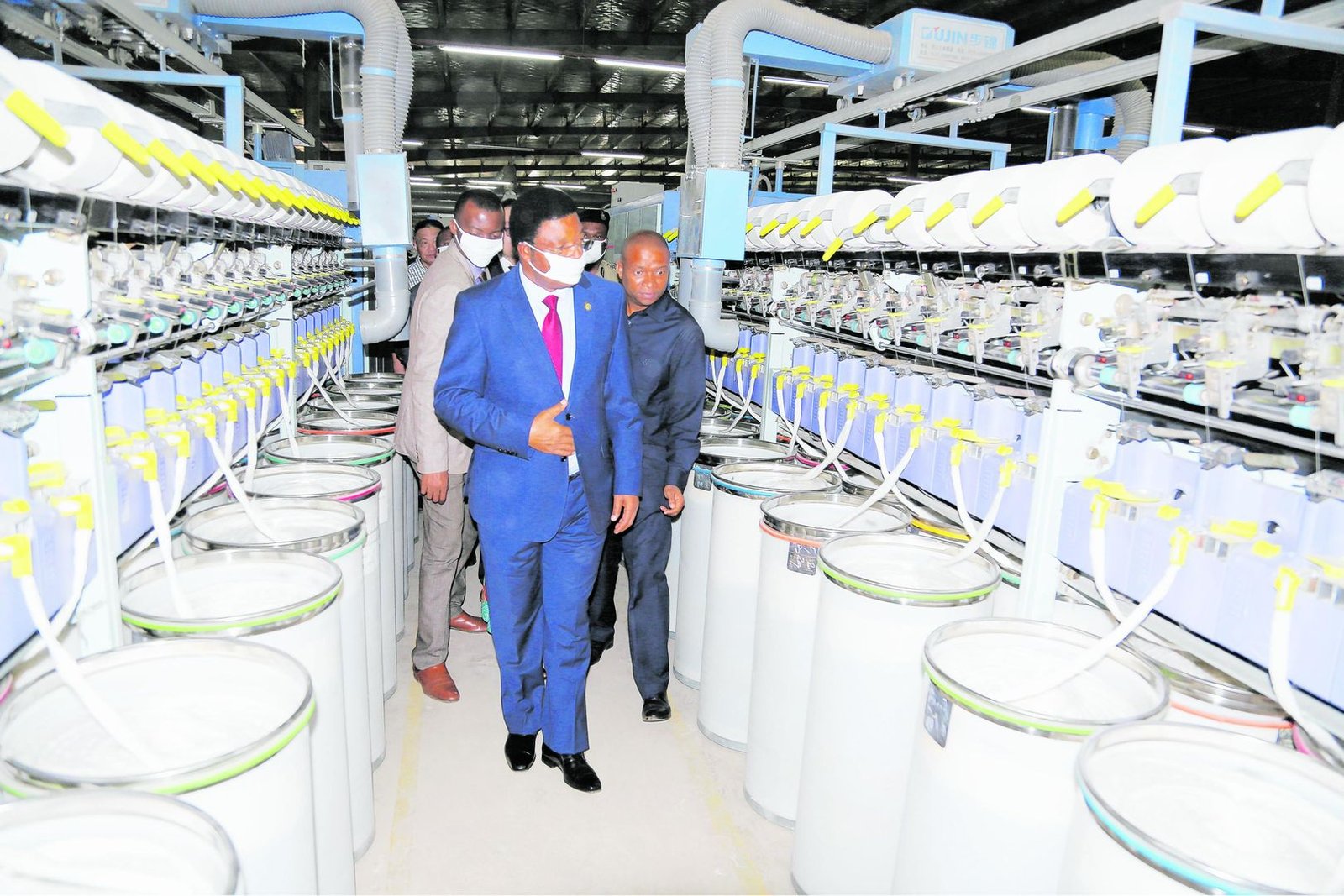
At its core, the Tanzanian economy remains heavily dependent on a few sectors. Agriculture still employs the majority of Tanzanians, yet productivity remains low, plagued by underinvestment, poor access to markets, and vulnerability to climate change. Industrialisation is being pushed as the engine of growth, yet manufacturing’s contribution to GDP is still modest, and many factories rely heavily on imported inputs rather than building resilient local supply chains. The service sector, especially telecommunications and financial services, has shown dynamism, but again, the benefits are concentrated in urban areas, leaving rural Tanzania behind.
Another critical point is the structural weakness in governance and policy consistency. Investors often face uncertainty due to abrupt policy shifts, unclear regulations, and bureaucratic inefficiency. Tanzania’s reform agenda has improved the perception of the business environment, but there is still a trust deficit. Without predictable, transparent, and enforceable rules, capital inflows will always be cautious.
Yet the opportunity is undeniable. Tanzania’s population is young and growing, creating both a massive labor force and a fast-expanding consumer market. Urbanisation is accelerating, with Dar es Salaam projected to become a megacity in the next two decades. This will drive demand for housing, transport, food, energy, and services at an unprecedented scale. For investors, the growth story is real, but so are the structural risks.
The challenge for Tanzania is to break the cycle of high growth with low transformation. GDP numbers cannot mask the reality of widespread underemployment, poverty, and inequality. The solution lies in addressing fundamental bottlenecks: improving agricultural productivity, investing in human capital through education and skills, enforcing policy stability, and creating an enabling environment for small and medium enterprises. These are the real drivers of inclusive growth.
For global investors, Tanzania represents both a test and an opportunity. Those who can navigate the risks—by building local partnerships, aligning with government priorities, and investing for the long term—stand to benefit from one of Africa’s most dynamic markets. But anyone expecting easy returns without engaging the underlying structural realities will quickly be disappointed.
Tanzania’s growth story is not just about numbers. It is about whether the country can turn opportunity into transformation, and whether investors will be part of the solution or just short-term profiteers.
