
How Land Policy Can Boost Investment in Tanzania: Lessons from Singapore, South Africa, and Rwanda
Ready
Despite having vast land suitable for agriculture, mining, real estate, logistics, and tourism, many investors still cite delays in land allocation, uncertainty in land ownership, and bureaucratic hurdles, issues that global competitors like Singapore, South Africa, and Rwanda have successfully addressed.
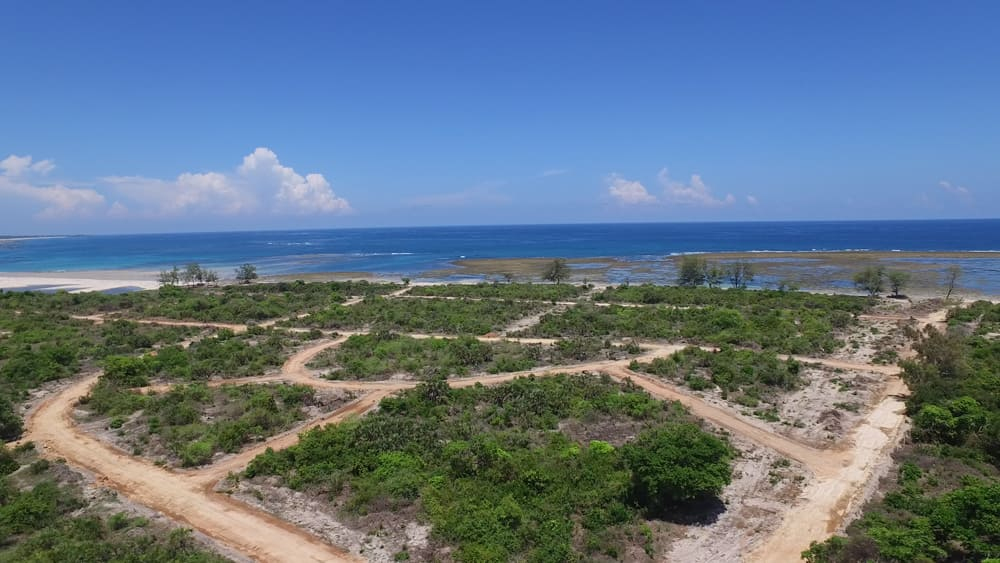
As Tanzania intensifies efforts to attract foreign and local investment, analysts say the country’s land policy will determine how fast it can unlock its economic potential. Despite having vast land suitable for agriculture, mining, real estate, logistics, and tourism, many investors still cite delays in land allocation, uncertainty in land ownership, and bureaucratic hurdles, issues that global competitors like Singapore, South Africa, and Rwanda have successfully addressed.
Investor confidence is heavily influenced by secure and transparent land tenure. Tanzania continues to face challenges such as double allocation, slow processing of Certificates of Occupancy, and incomplete land-use plans. Meanwhile, Rwanda’s fully digitised land registry has become a regional benchmark for reducing land disputes and accelerating investment approvals. Singapore, a global investment powerhouse, provides instant access to land zoning and ownership information through advanced digital systems that leave no room for ambiguity.
The availability of serviced industrial land is another critical factor. In Tanzania, investors often spend additional time and resources identifying land, resolving disputes, and installing basic infrastructure. Conversely, Singapore’s JTC industrial parks, South Africa’s Industrial Development Zones, and Rwanda’s Kigali Special Economic Zone offer ready-to-build plots equipped with roads, energy, water, and ICT infrastructure. Experts argue that Tanzania must expand its EPZs and SEZs in strategic areas such as Dodoma, Bagamoyo, Kigamboni, Mwanza, and Kigoma to offer similar investment-ready environments.
Land valuation and compensation processes also require attention. Investors need predictable pricing, while communities require fair and timely compensation. Countries like South Africa use clear and transparent valuation frameworks, while Rwanda has established fast-track compensation procedures that ensure project timelines are not disrupted.
Experts recommend the establishment of national land banks for agriculture, industrial development, tourism, and logistics. This would allow Tanzania to present investors with pre-surveyed, conflict-free land that is readily available for strategic projects. Strengthening governance at local land offices and expanding digital monitoring systems would also help reduce irregular allocations and corruption.
Despite the challenges, specialists believe Tanzania has the potential to become one of Africa’s top investment destinations. With its strategic location, improving infrastructure, and political stability, Tanzania stands to gain significantly if it modernises its land policy and aligns it with international best practices.
They conclude that improving land governance, digitising land services, expanding serviced industrial zones, and ensuring faster, transparent land allocation could unlock billions of dollars in new investments, driving economic transformation and creating jobs across the country.
 Uchumi360
Business Intelligence
Uchumi360
Business Intelligence
Uchumi360 covers business, investment, and economic policy across East, Central, and Southern Africa.
For the serious reader
You read to the end. That places you in a small group.
Uchumi360 is built for readers who demand precision over speed, structure over sentiment, and analysis that holds uncomfortable conclusions rather than softening them. If this work sharpens how you think about Africa's economy, help us keep building the infrastructure behind it.
Institutional Partners
Commission intelligence. Shape the conversation.
Uchumi360 works with development finance institutions, investment firms, sovereign bodies, and strategic organisations across the coverage region. Institutional partnership unlocks:
- Commissioned sector and country intelligence reports
- Branded research series under your institution's authority
- Exclusive data briefings for internal strategy teams
- Speaking and editorial presence at Uchumi360 events
- Co-published investment outlooks for your markets
Support Our Work
Independent analysis has a cost. Help us bear it.
Uchumi360 does not carry advertising. It does not take editorial direction from sponsors. Every article is produced without commercial compromise. Your contribution funds the reporting, research, and editorial infrastructure that keeps this analysis free from influence.
Secure checkout: One-time and monthly support are processed securely. Add payment credentials to enable checkout here.
Stay Connected
Keep up with every new insight.
Follow our latest analysis, policy coverage, and market intelligence as soon as it is published. If you need something specific, reach out directly and we will point you to the right research.
