

Can Tanzania Build a Competitive Pharmaceutical Industry?
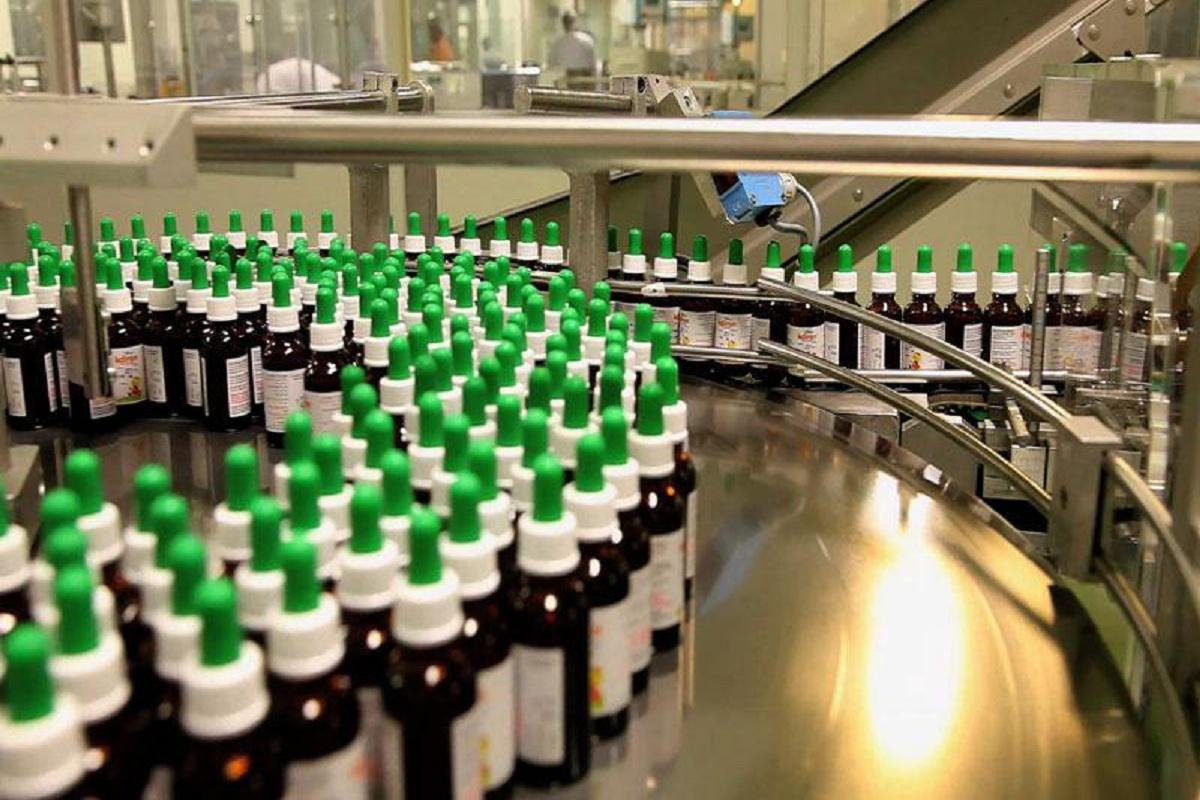
With over 65 million people and growing healthcare needs, Tanzania has significant demand for essential drugs, vaccines, medical devices, and over-the-counter products. Currently, imports meet most of this demand. By developing local capacity, Tanzania can satisfy domestic needs while positioning itself as a supplier to neighboring countries in the East African Community (EAC) and Southern Africa Development Community (SADC).
Tanzania currently relies heavily on imported medicines and medical products, which increases costs, exposes the health sector to supply chain disruptions, and limits local economic growth. Developing a competitive domestic pharmaceutical industry is not only a matter of economic strategy but also a public health priority. Local production can reduce import dependence, create jobs, foster innovation, and ensure a more resilient healthcare system. Achieving this goal requires addressing multiple structural challenges while seizing emerging market opportunities both locally and regionally.
Strong Local Market Demand
With over 65 million people and growing healthcare needs, Tanzania has significant demand for essential drugs, vaccines, medical devices, and over-the-counter products. Currently, imports meet most of this demand. By developing local capacity, Tanzania can satisfy domestic needs while positioning itself as a supplier to neighboring countries in the East African Community (EAC) and Southern Africa Development Community (SADC). Meeting local demand is not only commercially viable but also reduces supply chain vulnerabilities and enhances healthcare access.
Investment in Quality Manufacturing
Competitive pharmaceutical production requires state-of-the-art facilities, including modern laboratories, GMP-certified factories, and on-site quality control and compliance systems. Attracting private investment necessitates government incentives such as tax breaks, subsidized loans, and support for industrial clusters. Modern infrastructure ensures that locally produced medicines meet international quality and safety standards, which is essential for both domestic consumption and export potential.
Skilled Workforce Shortage
A major challenge for Tanzania is the lack of trained pharmaceutical technologists, chemists, and regulatory specialists. Addressing this requires establishing specialized university programs, partnering with private manufacturers for practical internships, and implementing continuous professional development initiatives. A skilled workforce is central to producing high-quality medicines, maintaining compliance with global standards, and sustaining long-term competitiveness in the pharmaceutical sector.
Access to Raw Materials
Most active pharmaceutical ingredients (APIs) are currently imported, creating dependency and raising production costs. Solutions include bulk importing to reduce unit costs, exploring local herbal and natural sources for medicine development, and fostering regional supply chains with East African partners. Reliable access to raw materials is critical for consistent production, competitive pricing, and reducing vulnerability to global supply shocks.
Regulatory and Policy Environment
A transparent and predictable regulatory framework is vital to attract investors and ensure product quality. This involves fast-track licensing for compliant manufacturers, clear pricing policies, intellectual property protection, and adherence to WHO, EAC, and SADC standards. Regulatory clarity reassures investors, protects patients, and facilitates regional export opportunities. Without strong governance and enforcement, the sector risks low compliance and limited investor interest.
Export Potential and Regional Integration
Tanzania can leverage regional markets to scale production and increase profitability. By supplying affordable medicines to neighboring countries with growing healthcare demand, harmonizing standards across EAC and SADC, and investing in logistics and distribution networks, Tanzania can strengthen its regional presence. Targeting regional markets enhances sustainability, increases foreign exchange earnings, and positions the country as a pharmaceutical hub in East and Southern Africa.
Way Forward: Steps to Build a Competitive Pharmaceutical Industry in Tanzania
- Develop Specialized Workforce
· Establish pharmaceutical technology and regulatory courses in universities and vocational colleges.
· Partner with private manufacturers for internship and on-the-job training programs.
· Promote continuous professional development to keep skills aligned with global standards.
- Invest in Modern Manufacturing Infrastructure
· Support the construction of GMP-certified factories and quality control labs.
· Facilitate access to financing for private investors to upgrade machinery.
· Encourage cluster development of pharmaceutical parks to share utilities and logistics.
- Secure Reliable Supply of Raw Materials
· Bulk import APIs to reduce unit costs and ensure continuity.
· Explore local sources for herbal-based and alternative medicines.
· Establish regional supply chains in East Africa to reduce dependency on distant suppliers.
- Strengthen Regulatory Framework and Compliance
· Fast-track licensing for compliant manufacturers.
· Align standards with WHO, EAC, and SADC to enable exports.
· Introduce clear pricing policies and IP protections to attract investment.
- Promote Public-Private Partnerships (PPPs)
· Collaborate with investors to co-fund research, infrastructure, and industrial parks.
· Encourage government incentives for local production over imports.
· Facilitate joint ventures with regional or international pharmaceutical companies.
- Focus on Regional Export Markets
· Target EAC and SADC markets with harmonized product standards.
· Invest in logistics, cold chain, and distribution networks.
· Use trade agreements to reduce tariffs and expand market access.
- Support Innovation and Research
· Fund R&D in local universities and private labs.
· Encourage development of affordable medicines tailored to regional health needs.
· Promote partnerships between traditional medicine research and pharmaceutical innovation.
Conclusion: A Realistic and Strategic Goal
Building a competitive pharmaceutical sector is achievable if Tanzania commits to skills development, regulatory clarity, infrastructure investment, and strategic public-private collaboration. Success will reduce import dependence, improve public health outcomes, create jobs, and position Tanzania as a regional pharmaceutical hub. By acting decisively now, Tanzania can transform this critical sector into a driver of economic growth, industrialization, and healthcare resilience.
