

Climate Risks and Industrial Resilience: Is Tanzania Ready?
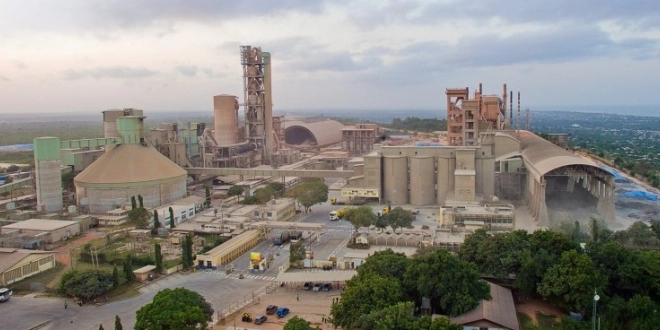
As the country pursues industrialization, the key question is whether Tanzanian industries are sufficiently prepared to withstand climate shocks and remain productive in the long term.
Climate Change Moves from Environment to Economic Risk
Climate change is no longer a distant environmental concern; it is now an immediate economic risk shaping industrial performance across developing economies. In Tanzania, rising temperatures, erratic rainfall, floods, droughts, and energy disruptions are increasingly exposing vulnerabilities within the country’s industrial base. As the country pursues industrialization, the key question is whether Tanzanian industries are sufficiently prepared to withstand climate shocks and remain productive in the long term.
Climate-Sensitive Foundations of Tanzania’s Industrial Sector
Tanzania’s industrial sector is deeply dependent on climate-sensitive systems. Manufacturing relies heavily on hydropower, water availability, transport infrastructure, and agricultural raw materials. When rainfall patterns shift or extreme weather events occur, production costs increase, supply chains weaken, and factory output declines. Climate resilience, therefore, is not merely an environmental concern but a core determinant of industrial competitiveness.
Energy Insecurity as a Climate-Driven Industrial Risk
Energy remains one of the most visible climate-related vulnerabilities. Although Tanzania has diversified electricity generation through natural gas, hydropower continues to play a major role. Prolonged droughts reduce dam water levels, forcing power rationing or increased reliance on expensive thermal generation. For manufacturers, unreliable or costly electricity raises operational expenses and discourages long-term investment, particularly in energy-intensive sectors such as cement, steel, agro-processing, and chemicals.
Water Stress and Industrial Productivity
Water scarcity presents another growing challenge. Industries such as food processing, beverages, textiles, leather, and pharmaceuticals depend on consistent and affordable water supply. Climate-induced water shortages, especially in urban and industrial zones, intensify competition between households, agriculture, and factories. Without efficient water management systems, manufacturers face higher costs, production disruptions, and rising regulatory pressure.
Transport Infrastructure and Climate Vulnerability
Transport and logistics infrastructure, including roads, railways, ports, and storage facilities, is highly exposed to climate risks. Flooding damages transport corridors, disrupts cargo movement, and delays exports. For Tanzania, which aims to position itself as a regional trade and logistics hub, repeated infrastructure disruptions undermine reliability and raise the cost of doing business. Industrial resilience therefore depends not only on factory-level preparedness, but also on climate-resilient infrastructure systems.
Uneven Industrial Preparedness
Despite growing awareness, Tanzania’s industrial climate preparedness remains uneven. Large firms, particularly exporters and foreign-owned companies, have begun adopting resilience measures such as backup power systems, energy efficiency upgrades, water recycling, and climate-risk assessments. In contrast, small and medium-sized manufacturers, which form the backbone of domestic industry, often lack the capital, technical capacity, and incentives required to invest in climate adaptation.
Gaps in Policy Integration
While Tanzania has climate strategies and industrial policies, integration between the two remains limited. Climate considerations are often treated separately from industrial planning, investment promotion, and infrastructure development. This fragmentation reduces effectiveness, as resilience measures deliver the greatest impact when embedded in industrial zoning, financing frameworks, building standards, and energy planning.
Financing Constraints to Climate Adaptation
Financing remains a critical barrier. Climate-resilient investments typically require higher upfront costs but generate long-term stability and savings. However, access to long-term, affordable financing for resilience investments remains constrained. Without targeted incentives, green financing instruments, or risk-sharing mechanisms, many manufacturers delay adaptation, increasing their exposure to future climate shocks.
Climate Risks as Industrial Opportunities
Despite the challenges, climate risks also present new industrial opportunities. Demand for renewable energy technologies, energy-efficient machinery, water treatment systems, climate-resilient construction materials, and sustainable packaging is growing. With the right policy support and financing mechanisms, Tanzanian manufacturers could position themselves within emerging green value chains, turning climate adaptation into a source of industrial growth rather than a cost burden.
Is Tanzania Ready?
Tanzania’s awareness of climate risks is improving, but industrial resilience remains a work in progress. Readiness varies significantly across sectors and firm sizes, and current efforts are not yet systemic. Building resilient industries will require stronger integration of climate risk into industrial policy, expanded access to green finance, climate-proof infrastructure investment, and targeted support for SMEs. As climate shocks intensify, resilience will increasingly determine which industries survive, grow, or decline. The question is no longer whether Tanzania can afford to prepare, but whether it can afford not to.