

How Natural Resources Are Feeding Tanzania’s Industrial Strategy
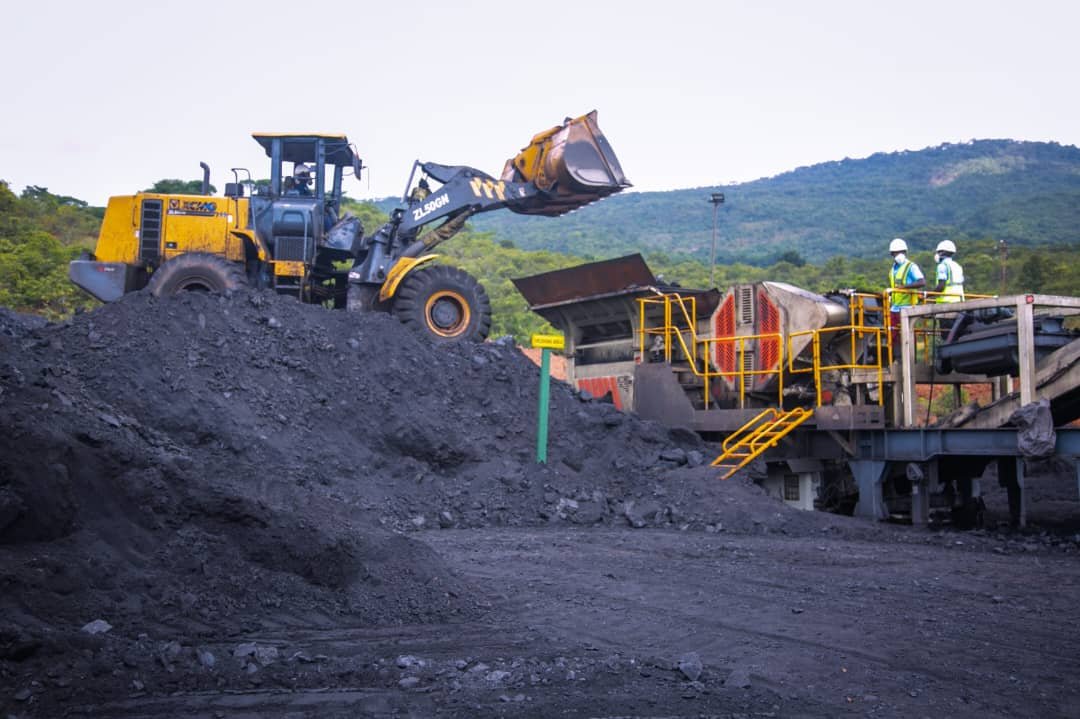
Natural resources have always played a central role in Tanzania’s economy. Gold, diamonds and gemstones helped establish the country as one of Africa’s important mining destinations. Yet the next phase of resource development is increasingly linked not only to extraction, but to energy systems and industrial supply chains.
A new generation of projects now emerging across Tanzania shows how mining and energy are becoming interconnected drivers of economic transformation.
At the center of this shift is natural gas. Gas resources discovered across Tanzania’s offshore and onshore basins have already reshaped the national energy system. But gas also plays another role: it enables resource-based industrial production.
Energy-intensive industries such as steel manufacturing, fertilizer production and mineral processing depend on reliable and affordable energy. As Tanzania expands its natural gas infrastructure, these industries become economically viable in ways that were previously impossible.
This is particularly important for mineral-rich regions that historically lacked the energy supply required for large-scale industrial processing.
For example, the southern corridor linking Mtwara, Mbamba Bay and the mineral basins of Liganga and Mchuchuma has the potential to combine coal, iron ore and energy infrastructure into a single industrial ecosystem.
Coal deposits at Mchuchuma and iron ore deposits at Liganga have long been known to exist. However, development of these resources has been constrained by transportation and energy limitations. The proposed railway linking the region to the port of Mtwara is designed to unlock these deposits and integrate them into national and global supply chains.
If these projects move forward, Tanzania could establish the foundation for a domestic steel industry, using local iron ore and coal resources supported by gas-powered energy infrastructure.
Mining supply chains are also being shaped by the country’s growing petroleum sector.
Exploration activities in offshore and onshore basins require specialized equipment, engineering services and technical expertise. This creates opportunities for domestic manufacturing and service industries that support energy development.
One example highlighted in current investment plans is the establishment of manufacturing facilities for natural gas distribution equipment. At present, much of the equipment used in Tanzania’s gas infrastructure, including pipelines, gas meters and pressure regulation systems, is imported.
Local manufacturing of these components could reduce costs while creating new industrial capabilities. Investors are therefore being encouraged to establish factories capable of producing gas distribution equipment within Tanzania itself.
Such developments illustrate how energy projects generate wider industrial opportunities.
Gas production requires pipelines. Pipelines require steel. Steel requires iron ore and energy. Processing minerals requires electricity. Electricity generation requires gas, geothermal or renewable power.
These connections form a complex industrial chain in which mining, energy and manufacturing reinforce one another.
Another emerging area of opportunity lies in downstream natural gas utilization.
Compressed natural gas infrastructure is beginning to expand across Tanzania. The construction of distribution systems, conversion workshops and mini–liquefied natural gas facilities could support a broader shift toward gas-powered transportation and industrial fuel use.
These systems would enable gas to reach factories, commercial facilities and even vehicle fleets, reducing dependence on imported petroleum fuels.
At the same time, Tanzania’s petroleum exploration sector continues to grow.
The country currently holds dozens of offshore and onshore exploration blocks, with significant gas discoveries already confirmed. Geological assessments estimate that discovered gas resources exceed 57 trillion cubic feet across the country’s basins, indicating substantial long-term supply potential.
As exploration continues, additional discoveries could further expand the scale of Tanzania’s energy economy.
The integration of mining and energy supply chains is also shaping investment patterns.
Large industrial projects increasingly depend on coordinated development of energy infrastructure, transportation corridors and resource extraction. Investors evaluating mining opportunities must consider energy availability, logistics networks and market access.
In Tanzania, these elements are gradually aligning. Gas pipelines connect southern production fields to industrial centers. Rail corridors are planned to link mineral deposits to ports. Power generation projects are expanding electricity supply to growing urban and industrial areas.
Together, these developments form the backbone of a resource-driven industrial strategy.
The long-term objective is clear. Rather than exporting raw minerals, Tanzania aims to develop domestic industries capable of processing resources into higher-value products.
Steel production, fertilizer manufacturing and mineral processing industries all depend on reliable energy and transport infrastructure. As these systems expand, Tanzania’s ability to capture greater value from its natural resources will increase.
Of course, building such integrated supply chains requires significant investment and coordination. Infrastructure must keep pace with resource development, and regulatory frameworks must support long-term industrial growth.
But the direction of Tanzania’s economic strategy is becoming increasingly visible.
Natural resources are no longer viewed simply as export commodities. They are being repositioned as inputs into a broader industrial system powered by domestic energy and supported by expanding infrastructure.
If these efforts succeed, Tanzania’s mining sector could evolve from a traditional extractive industry into the foundation of a more diversified industrial economy.