

Lithium Exploration in Tanzania: The Next Strategic Mineral?
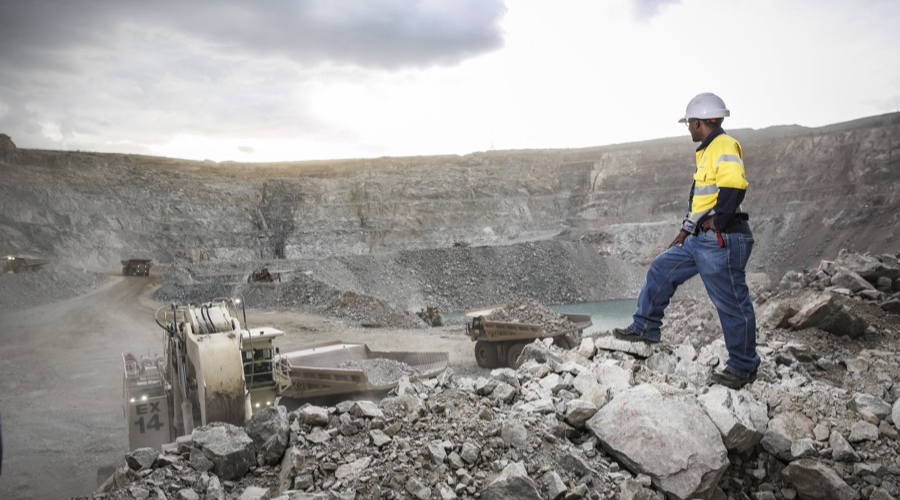
Tanzania’s lithium potential represents a strategic economic opportunity in the context of the global energy transition.
The global transition toward electric vehicles (EVs) and renewable energy storage has driven unprecedented demand for lithium, a critical component of lithium-ion batteries. Countries with significant lithium deposits are now seen as strategic players in the future of energy and mobility.
Tanzania, with its diverse geology and history of mineral exploration, has emerging potential for lithium resources, particularly in pegmatite formations across several regions. Early exploration efforts suggest that the country could participate meaningfully in the global lithium supply chain, offering opportunities for investment, industrialization, and job creation.
Tanzania’s Lithium Potential
1. Emerging Geological Discoveries
Exploration activities have identified lithium-bearing pegmatites in regions such as Ruvuma, Manyara, and Dodoma, among others. These early findings indicate that Tanzania could host commercially viable lithium deposits suitable for extraction and processing.
2. Strategic Industrial Opportunities
Lithium is a key input for EV batteries, renewable energy storage, and electronics, placing countries with deposits at the centre of high-value industrial supply chains. Strategic development of Tanzania’s lithium resources could attract foreign direct investment, technology transfer, and industrial parks, stimulating broader economic growth.
3. Job Creation and Local Development
Mining and processing lithium could generate direct employment in extraction, transportation, and refining, as well as indirect employment through services, logistics, and supporting industries. This could provide economic opportunities in rural and mining regions, helping reduce regional disparities.
Challenges Facing Lithium Development in Tanzania
1. Regulatory and Policy Uncertainty
Ambiguities in mining regulations, licensing procedures, and royalties create risk for investors, potentially delaying exploration and extraction projects. Clear and predictable policy frameworks are essential to attract sustainable investment.
2. Limited Downstream Processing Capacity
Currently, Tanzania lacks significant lithium refining and battery-grade processing facilities. Over-reliance on raw material exports could limit local value addition, reducing potential economic benefits from the mineral.
3. Environmental and Social Considerations
Lithium extraction, particularly in sensitive ecological areas, can pose environmental risks, including water use, soil degradation, and biodiversity impacts. Community engagement and sustainable mining practices are crucial to ensure long-term social license to operate.
4. Global Market Volatility
Lithium prices are influenced by global EV demand, renewable energy policies, and geopolitical dynamics. Tanzania must position itself to manage market fluctuations while developing a stable domestic supply chain.
Way Forward: Transforming Lithium Potential into Sustainable Growth
To fully harness lithium as a strategic mineral, Tanzania should pursue a comprehensive, forward-looking approach:
1. Establish Clear Mining Policies and Regulatory Frameworks
Predictable regulations, streamlined licensing, and transparent royalty structures can attract investors while safeguarding national interests.
2. Invest in Downstream Processing Facilities
Developing lithium refining and battery-grade processing plants can ensure value addition occurs locally, creating jobs, industrial capacity, and technological expertise.
3. Integrate with Global EV and Renewable Supply Chains
Tanzania should strategically partner with EV manufacturers, battery producers, and international investors to secure long-term contracts, technology transfer, and market access.
4. Promote Sustainable and Responsible Mining Practices
Environmental impact assessments, water management, and biodiversity protection must be integral to lithium development, alongside community engagement and benefit-sharing mechanisms.
5. Encourage Public-Private Partnerships (PPPs) and Investment Incentives
Collaborative ventures between government, mining companies, and development partners can mobilize capital, expertise, and infrastructure necessary for sustainable lithium extraction and processing.
6. Develop Local Skills and Workforce Capacity
Technical training, vocational programs, and partnerships with universities can build a skilled workforce capable of supporting lithium mining, processing, and related industries.
Outlook
Tanzania’s lithium potential represents a strategic economic opportunity in the context of the global energy transition. By adopting clear policies, investing in local processing, engaging communities, and integrating with international supply chains, Tanzania can move beyond raw material exports to become a competitive player in the EV and renewable energy market.
If developed responsibly, lithium could drive industrialization, create high-value jobs, and contribute to sustainable economic growth, positioning Tanzania as a forward-looking energy and mineral hub in Africa.
