
Magufuli 16% Mining Law: Bold Nationalism or Investor Confrontation?
Ready
The spike to 15.3% in Q1 2020 reflected the immediate effect of Magufuli’s reforms. However, as the year progressed, the annual average aligned closer to the 7–9% range, suggesting seasonal and industry cycles. From 2021 through 2024, there's been a clear upward trend from 7.2% to 10.1% demonstrating the 16% law’s sustained impact when paired with institutional reforms.
When the late President John Pombe Magufuli introduced sweeping mining reforms in 2017, famously giving the Tanzanian state a mandatory 16% free-carried stake in every mining project, it shook the global extractives industry. To some, this was a historic reclaiming of resource sovereignty; to others, it risked scaring away much-needed foreign investment.
So, was it a bold decision that strengthened Tanzania’s economy or a confrontation that hurt investor confidence?
Achievements: Putting Tanzania in Control of Its Resources
Magufuli’s mining reforms were among Africa’s boldest.
Revenue Mobilisation
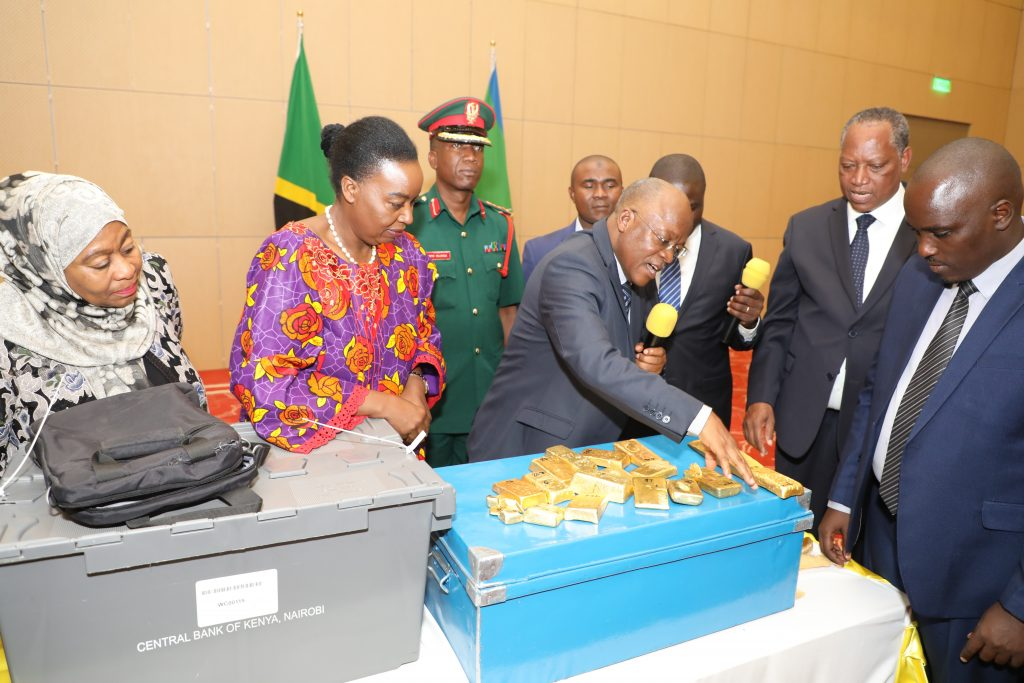
The government increased royalties on gold from 4% to 6% and secured a 50:50 profit-sharing model with Barrick Gold after a bitter dispute with its subsidiary, Acacia Mining. By 2020, Tanzania had collected $100 million in upfront settlement payments and secured an ongoing 16% ownership stake in three key gold mines.
Local Empowerment
Small-scale miners in Tanzania were exempted from certain taxes, which boosted domestic gold production. In 2019 alone, artisanal miners sold over 21.7 tonnes of gold to the Bank of Tanzania, contributing significantly to forex reserves.
Shortcomings: A Heavy Hand That Raised Eyebrows
While Tanzania gained short-term revenue, the approach also raised concerns.
Investor Exit & FDI Decline:
Between 2015 and 2017, foreign direct investment fell by about 24%, as investors viewed Tanzania’s regulatory climate as unpredictable. Several junior mining companies delayed exploration projects.
Economic Trade-Off:
While Tanzania strengthened sovereignty, it risked slower inflows of new capital, technology, and exploration expertise key ingredients for long-term sector growth.
Walking the Tightrope
Magufuli’s 16% law highlighted a classic dilemma: resource nationalism vs. investment attractiveness.
Balancing Act
restructured mining contracts was too harsh a tax and equity regime can choke investment, but too lenient, and citizens don’t benefit, so it a matter of life and death deciding for the national Interests.
Domestic Challenge
Tanzania’s institutions must ensure that government stakes are managed transparently; otherwise, state ownership risks turning into political patronage rather than citizen benefit.
Benefits: Reclaiming National Pride & Revenues
Despite criticism, the reforms gave Tanzania undeniable benefits.
Higher Public Revenues: Mining’s share of GDP rose to 15.3% in Q1 2020, up from single digits before reforms.
Interpreting the Trend
· Significant early gains
The spike to 15.3% in Q1 2020 reflected the immediate effect of Magufuli’s reforms. However, as the year progressed, the annual average aligned closer to the 7–9% range, suggesting seasonal and industry cycles.
· Consistent upward trajectory
From 2021 through 2024, there's been a clear upward trend from 7.2% to 10.1% demonstrating the 16% law’s sustained impact when paired with institutional reforms.
· Reaching targets ahead of schedule
Achieving over 10% in 2024, a year ahead of plan, illustrates how institutional support (e.g., gemstone auctions, anti-smuggling efforts, local buying centres, and Bank of Tanzania gold purchases) accelerated sector expansion.
· Projected future momentum
With TZS 1 trillion in mining revenues aimed for FY 2024/25, the sector's revenue-generating capacity continues to strengthen.
Strategic Leverage: By holding equity, Tanzania gained not only cash but also influence in corporate decisions, something rare in earlier decades, especially in developing nations.
Way Forward: Smarter, Not Just Tougher
Tanzania has proven it can stand firm, but sustaining growth requires refinement.
- Introduce Stability Clauses, Investors need assurance that laws won’t change abruptly. Botswana’s success with diamonds rests on predictable agreements.
- Strengthen Transparency, publish all mining contracts under the Extractive Industries Transparency Initiative (EITI).
- Expand Local Processing, enforce beneficiation policies (refining, smelting, polishing) to capture more value before exports. South Africa’s diamond beneficiation model offers lessons.
- Promote Joint Ventures, rather than confrontation, structure win-win public-private partnerships similar to Norway’s oil model, where Equinor balances state ownership with global investor confidence.
Outlook: Tanzania’s Mining Future on the Global Stage
Magufuli’s boldness repositioned Tanzania as a country unwilling to be exploited. The 16% law may have rattled investors, but it also reset the conversation about who truly benefits from Africa’s mineral wealth.
- If Tanzania balances state equity with investor incentives, it could become a regional mining powerhouse attracting ethical investors who value fairness and transparency.
- If it leans too hard on confrontation, the country risks stagnating exploration, just as Zambia did in the copper sector.
Ultimately, the success of the 16% law will depend on whether it evolves from a political tool into a strategic economic framework, one that protects Tanzania’s wealth while keeping the mining sector globally competitive.
 Uchumi360
Business Intelligence
Uchumi360
Business Intelligence
Uchumi360 covers business, investment, and economic policy across East, Central, and Southern Africa.
For the serious reader
You read to the end. That places you in a small group.
Uchumi360 is built for readers who demand precision over speed, structure over sentiment, and analysis that holds uncomfortable conclusions rather than softening them. If this work sharpens how you think about Africa's economy, help us keep building the infrastructure behind it.
Institutional Partners
Commission intelligence. Shape the conversation.
Uchumi360 works with development finance institutions, investment firms, sovereign bodies, and strategic organisations across the coverage region. Institutional partnership unlocks:
- Commissioned sector and country intelligence reports
- Branded research series under your institution's authority
- Exclusive data briefings for internal strategy teams
- Speaking and editorial presence at Uchumi360 events
- Co-published investment outlooks for your markets
Support Our Work
Independent analysis has a cost. Help us bear it.
Uchumi360 does not carry advertising. It does not take editorial direction from sponsors. Every article is produced without commercial compromise. Your contribution funds the reporting, research, and editorial infrastructure that keeps this analysis free from influence.
Secure checkout: One-time and monthly support are processed securely. Add payment credentials to enable checkout here.
Stay Connected
Keep up with every new insight.
Follow our latest analysis, policy coverage, and market intelligence as soon as it is published. If you need something specific, reach out directly and we will point you to the right research.
