

Nyanzaga Gold Mine: Tanzania’s Next Major Gold Powerhouse
If Tanzania embraces responsible mining, empowers communities, and strengthens regulatory transparency, Nyanzaga could become a transformative national asset boosting export earnings, creating thousands of jobs, and positioning Tanzania as a leading gold powerhouse in Africa for decades to come.
Tanzania has firmly established itself as one of Africa’s top gold producers, home to world-class mines such as Geita, North Mara, and Bulyanhulu. As global demand for gold continues to rise driven by technology, investment, and geopolitical uncertainty Tanzania is positioning itself to capture a bigger share of the international gold market.
One of the most promising developments in this trajectory is the Nyanzaga Gold Mine, a high-potential project in the Lake Zone that is attracting significant attention from investors, policymakers, and mining experts. With multi-million-ounce deposits and strong geological data, Nyanzaga is expected to become the next major gold powerhouse, capable of transforming regional economies and contributing heavily to the national treasury.
Project Overview
The Nyanzaga Gold Mine is located in north-western Tanzania, within the Lake Victoria Goldfields one of the most gold-rich geological belts in Africa. The project is operated under a special mining license granted to a major international mining company, which has secured extensive exploration and development rights under Tanzania’s Mining Act.
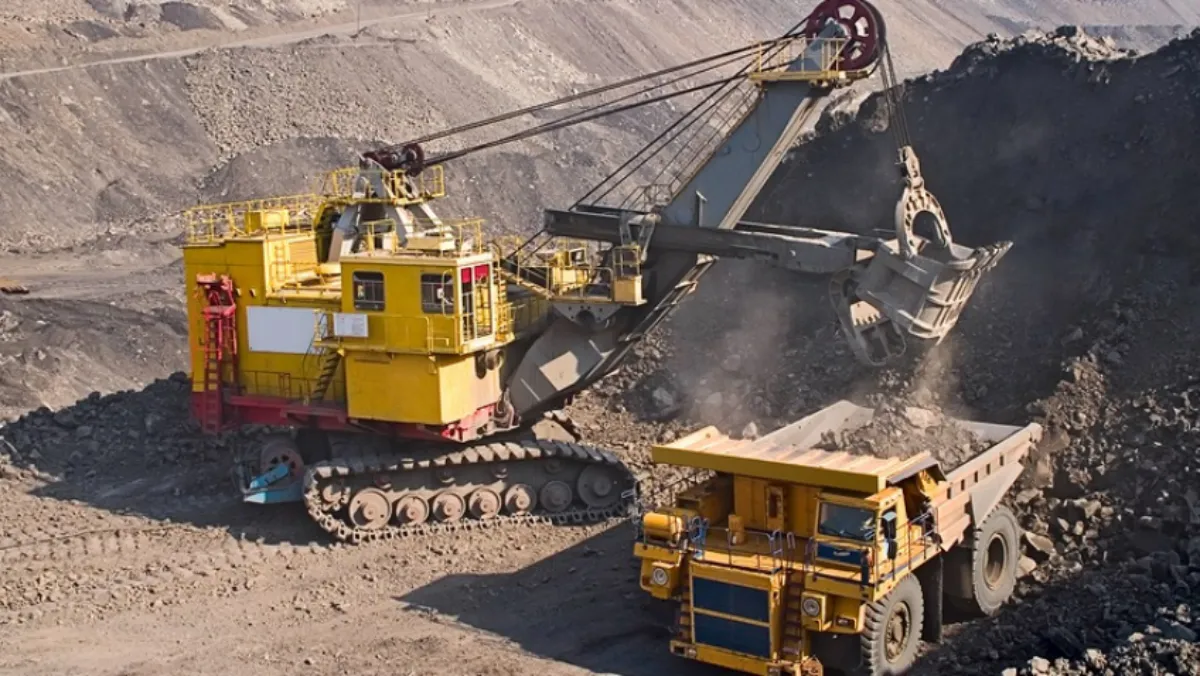
Geological assessments indicate that Nyanzaga holds over 3 million ounces of gold, placing it among the top five largest gold deposits in the country. Development plans point to an open-pit mining operation with the possibility of transitioning into underground mining based on deeper high-grade ore zones.
Commercial production is projected to begin between 2027 and 2028, following an estimated USD 400–500 million investment into mine construction, infrastructure, and operational systems. The mine is expected to operate for 10–15 years, with the potential for further extension as exploration continues.
Economic Impact: A Growth Engine for Tanzania
1. Massive Job Creation and Skills Development
Nyanzaga is expected to inject thousands of jobs into the regional economy.
- During the construction phase alone, 1,000+ direct jobs will be created.
- Once operational, the mine will employ 600 - 900 permanent staff.
- An additional 4,000 - 6,000 indirect jobs will emerge in transport, logistics, hospitality, retail, security, and local supply chains.
Beyond employment, Nyanzaga presents a rare opportunity for skills transfer to Tanzanian youth. Training in modern mining technologies, safety management, geology, and metallurgy will elevate Tanzania’s mining workforce capacity, increasing the number of specialized local professionals by an estimated 20 - 25% within the region.
2. Strong Foreign Exchange Earnings and Revenue Growth
Gold remains Tanzania’s single largest export earner. With Nyanzaga coming online, the country’s gold output could rise significantly, boosting annual export earnings by USD 150–200 million.
This will:
- Strengthen the national foreign exchange reserves
- Support shilling stability
- Increase government revenue through royalties, taxes, and dividends
- Create more financial space for major development projects
At a time when global gold prices fluctuate between USD 1,800 and USD 2,400 per ounce, strategic production from Nyanzaga positions Tanzania to benefit from bullish market cycles.
3. Infrastructure Development and Regional Transformation
Large mining projects often catalyze regional development and Nyanzaga is no exception. The project is expected to drive improvements in:
- Key access roads and feeder routes
- Rural electrification and water systems
- Local health facilities, schools, and social amenities
- Housing and commercial activities around mining communities
Historically, mining areas in Tanzania experience 30 - 40% improvement in infrastructure quality during the development phase of a major mine. For communities around Sengerema and the wider Lake Zone, Nyanzaga could become a long-term foundation for economic growth and improved living standards.
4. Growth of Local Businesses and Supply Chains
The mine will rely heavily on local procurement, creating new market opportunities for Tanzanian SMEs. Industries that stand to benefit include:
- Transport and logistics providers
- Catering and accommodation services
- Security companies
- Civil engineering and construction firms
- Local suppliers of equipment, fuel, tools, and materials
By integrating Tanzanian suppliers into the mining value chain, Nyanzaga can stimulate entrepreneurship, support business creation, and retain more mining wealth within the local economy.
Challenges and Risks
While the prospects are promising, the Nyanzaga project must tackle several key challenges to ensure long-term success.
Environmental Management
Mining activities inevitably affect land, water, biodiversity, and ecosystems. Without strong environmental safeguards including tailings management, water treatment, and land rehabilitation the mine could cause irreversible damage.
Community Relations
Mining projects face social risks if local communities feel excluded from economic benefits. Issues such as land acquisition, compensation, local hiring, and community investment must be handled transparently to avoid delays or conflict.
Volatile Global Gold Prices
Fluctuating gold prices can influence project profitability, especially during economic downturns. A price drop below USD 1,700/oz could affect revenue projections and investment decisions.
Regulatory Compliance
Tanzania’s mining laws require mines to adhere to local content rules, pay royalties, and meet tax obligations. Regulatory stability is essential to maintaining investor confidence and ensuring predictable long-term operations.
Strategic Way Forward for Maximum National Benefit
To ensure that Nyanzaga becomes a national success story, several strategies should be prioritized:
1. Strengthen Environmental and Social Governance (ESG)
Implement international best practices for mine safety, waste management, water conservation, and biodiversity protection. Transparent environmental reporting should be mandatory.
2. Deepen Community Engagement
Develop a clear Community Development Agreement ensuring investment in education, healthcare, local roads, and youth employment projects. Community trust is essential.
3. Promote Local Content and Tanzanian Businesses
Encourage procurement from Tanzanian suppliers and establish training partnerships to build local capacity in engineering, geology, and mine operations.
4. Maintain Transparent Royalties and Tax Systems
Consistent policy frameworks protect investor confidence and ensure equitable revenue for Tanzania. Improved transparency also builds public trust.
5. Link Mining to Broader Industrialization
Use the mine’s output and economic activity to stimulate downstream industries, expand gold refining, strengthen regional economies, and support Tanzania’s long-term industrial strategy.
Conclusion
Nyanzaga Gold Mine stands as one of Tanzania’s most promising mineral development projects. With its rich deposits, strong investor interest, and strategic location within the Lake Victoria Goldfields, the mine has the potential to reshape the country’s gold sector.
If Tanzania embraces responsible mining, empowers communities, and strengthens regulatory transparency, Nyanzaga could become a transformative national asset boosting export earnings, creating thousands of jobs, and positioning Tanzania as a leading gold powerhouse in Africa for decades to come.