

Tanzania’s Kabanga Nickel Project Puts the Country on the Global Battery Metals Map
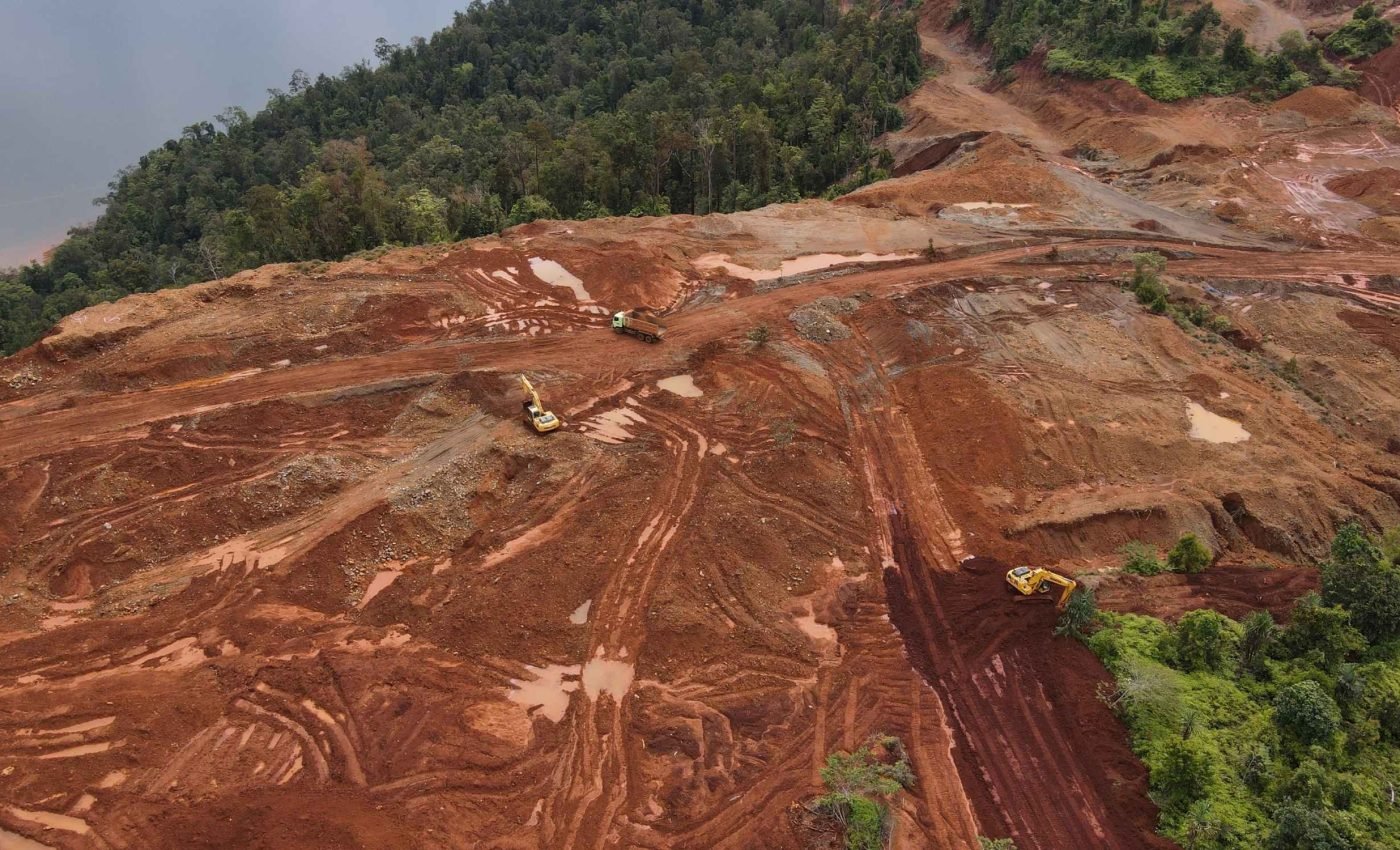
Tanzania is moving onto the global battery metals map as development advances at the Kabanga nickel project, one of the world’s largest undeveloped high-grade nickel sulfide deposits. The project highlights growing investor interest in critical minerals as demand for electric vehicles and energy storage accelerates.
Tanzania is emerging as a potential player in the global supply of battery metals after the discovery and advancement of one of the world’s largest undeveloped high-grade nickel sulfide deposits.
The Kabanga Nickel Project, located in the country’s northwest, contains tens of millions of tonnes of nickel-bearing ore and is increasingly viewed as strategically important as demand for electric vehicles and energy storage accelerates. The project is being developed by Lifezone Metals in partnership with the Tanzanian government.
Nickel has shifted from being a traditional industrial input to a critical component of battery technology. High-purity nickel is essential for lithium-ion batteries used in electric vehicles, grid storage, and renewable energy systems. That shift has intensified competition for secure and diversified sources of supply.
A Rare Asset in a Tightening Market
What distinguishes Kabanga from many global nickel projects is its ore type. High-grade sulfide deposits are significantly rarer than laterite deposits and are better suited for producing battery-grade, or Class 1, nickel. As global supply becomes increasingly concentrated in a small number of jurisdictions, deposits like Kabanga have gained strategic relevance.
Feasibility studies completed in 2025 estimate more than 50 million tonnes of proven and probable reserves, with average nickel grades close to 2 percent. The project also contains copper and cobalt by-products, improving overall economics. Industry analysts have placed Kabanga in the lower quartile of the global nickel cost curve, a key metric for long-term competitiveness.
Government Participation and Industrial Ambitions
The Tanzanian government holds an equity stake in the project, reflecting a broader policy shift toward increased state participation in strategic mineral assets. Authorities have signaled that the project should go beyond raw ore exports, with plans emphasizing downstream processing and local value addition.
That approach aligns with Tanzania’s wider industrial policy, which aims to reduce dependence on commodity exports and increase domestic manufacturing capacity. If processing facilities are developed locally, Kabanga could support skilled employment, technology transfer, and stronger linkages across the economy.
The project has already attracted hundreds of millions of dollars in exploration and development spending over several decades. More recently, Lifezone Metals has advanced engineering and financing work ahead of a planned final investment decision expected in 2026.
Investor Interest Meets Market Volatility
Despite its scale, Kabanga is not insulated from global commodity cycles. Nickel prices have been volatile, reflecting changing battery chemistries, supply expansions in Asia, and shifts in electric vehicle demand. Infrastructure requirements in a relatively remote region also add to capital costs.
Still, long-term forecasts suggest that demand for high-quality nickel will continue to grow as automakers prioritize energy density and battery longevity. Even under conservative energy transition scenarios, supply of battery-grade nickel is expected to tighten over the next decade.
For investors, Kabanga represents a long-duration asset tied to structural trends rather than short-term price movements. Its attractiveness depends less on near-term nickel prices and more on execution, regulatory stability, and the ability to integrate processing into the project’s value chain.
A Test Case for Resource-Led Industrialization
Kabanga’s development is being closely watched beyond the mining sector. It serves as a test of whether Tanzania can convert mineral discoveries into sustained industrial growth rather than one-off export revenues.
Success would position the country as a credible supplier of critical minerals at a time when manufacturers and governments are actively seeking alternatives to concentrated supply chains. Failure would reinforce long-standing concerns about Africa’s ability to capture value from its natural resources.
For now, Kabanga places Tanzania firmly on the radar of battery makers, miners, and investors tracking the future of clean-energy supply chains. The next phase will determine whether that attention translates into long-term economic gains.