

Build More Railways, the Call Says
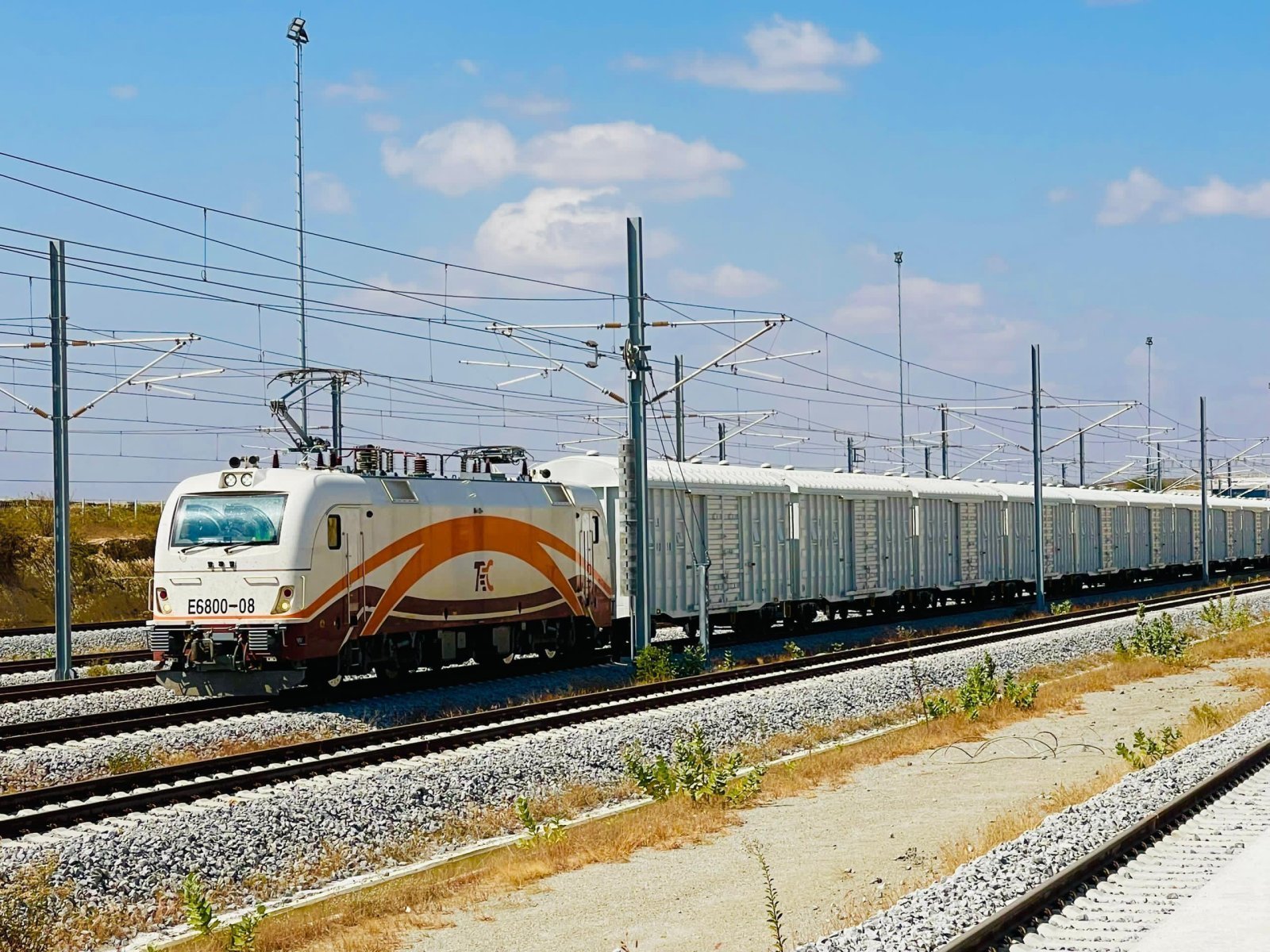
Railways are not about trains. They are about collapsing distance, lowering costs, and making growth predictable. For Tanzania, building more railways is not a political idea but an economic necessity if the country is to reduce logistics costs, industrialize at scale, and fully leverage its position as a regional trade gateway.
The call to build more railways in Tanzania is not romantic, nostalgic, or ideological. It is economic. It is about cost, scale, and time. And it is grounded in how serious economies actually grow.
Railways are not built because trains look impressive. They are built because they collapse distance. Distance is one of the most expensive structural burdens in African economies. Every additional kilometer between producer and market raises prices, erodes margins, discourages investment, and weakens competitiveness. Railways exist to make distance cheaper.
Transport costs in Tanzania remain a major component of final prices for food, construction materials, fuel, and manufactured goods. Road transport dominates, yet it is inefficient for bulk cargo over long distances. Trucks burn imported fuel, damage roads, cause congestion, and require constant public maintenance spending. These costs are embedded quietly in consumer prices and business balance sheets.
Rail changes that equation. Freight rail moves large volumes at a lower cost per ton-kilometer than road transport. One freight train can replace hundreds of trucks. The fuel efficiency is higher, the wear on public infrastructure is lower, and delivery schedules are more predictable. Predictability matters as much as price. Investors do not fear high costs as much as they fear uncertain ones.
Tanzania’s economic geography makes the railway question unavoidable. The country serves as a gateway for landlocked economies such as Rwanda, Burundi, Uganda, Zambia, and parts of the eastern Democratic Republic of Congo. This position is not symbolic. It is commercial. When rail corridors function well, Tanzania earns through port services, transit fees, logistics, storage, and industrial activity along those corridors. When they do not, cargo diverts elsewhere and the opportunity disappears quietly.
The Central Corridor and the Tanzania–Zambia axis were designed historically to perform this function. Their decline over time did not eliminate demand. It merely shifted traffic to roads and foreign routes, increasing costs for everyone involved. Recent investments in standard gauge rail and the renewed attention on regional rail links are therefore not extravagances. They are attempts to realign infrastructure with economic reality.
Industrialization depends on rail more than is often admitted. Manufacturing requires reliable input flows. Fertilizer, coal, clinker, steel, grain, and fuel are bulky. Moving them by road inflates production costs and limits scale. Rail enables factories to grow beyond small, defensive operations into competitive producers. This is why industrial zones worldwide cluster around rail lines and ports, not highways alone.
There is also a fiscal argument. Heavy trucks accelerate road degradation, forcing governments into perpetual repair cycles. Shifting bulk freight to rail extends road lifespan and reduces public maintenance costs. Over time, this frees fiscal space for health, education, and urban infrastructure rather than endless resurfacing projects.
Energy economics strengthen the case further. Rail transport is significantly more energy-efficient than road transport. As Tanzania seeks to manage fuel import bills and stabilize foreign exchange demand, reducing diesel-intensive logistics becomes macroeconomically relevant. Electrified or partially electrified rail corridors amplify these gains and align with long-term energy planning.
The hesitation around railways is rarely economic. It is political and administrative. Railways are expensive upfront, complex to manage, and slow to deliver visible wins. They demand long-term thinking, disciplined procurement, and professional operations. Roads offer quicker optics. Rail offers slower but deeper returns.
History shows that countries that delay rail investment pay an invisible tax for decades. Higher prices. Smaller industries. Limited regional trade. Countries that commit to rail early build logistical advantages that compound quietly over time.
Building more railways does not mean building them everywhere. It means prioritizing freight-heavy corridors, integrating rail with ports and industrial zones, ensuring commercial operations, and coordinating regionally so lines do not end uselessly at borders. It means treating railways as economic infrastructure, not political trophies.
The call to build more railways is therefore not aspirational. It is corrective. It is a recognition that Tanzania’s growth ambitions cannot be carried on trucks alone.
Economies move before they grow.
When movement becomes cheap, growth follows.
