

How Railways and Transport Networks Are Rewiring Tanzania’s Economic Geography
Energy alone cannot transform an economy. Resources must move. Goods must reach markets. Industrial zones must connect to ports. Without infrastructure, even the richest natural resources remain stranded.
Tanzania’s next economic transformation therefore depends on something less visible but equally critical: transport corridors.
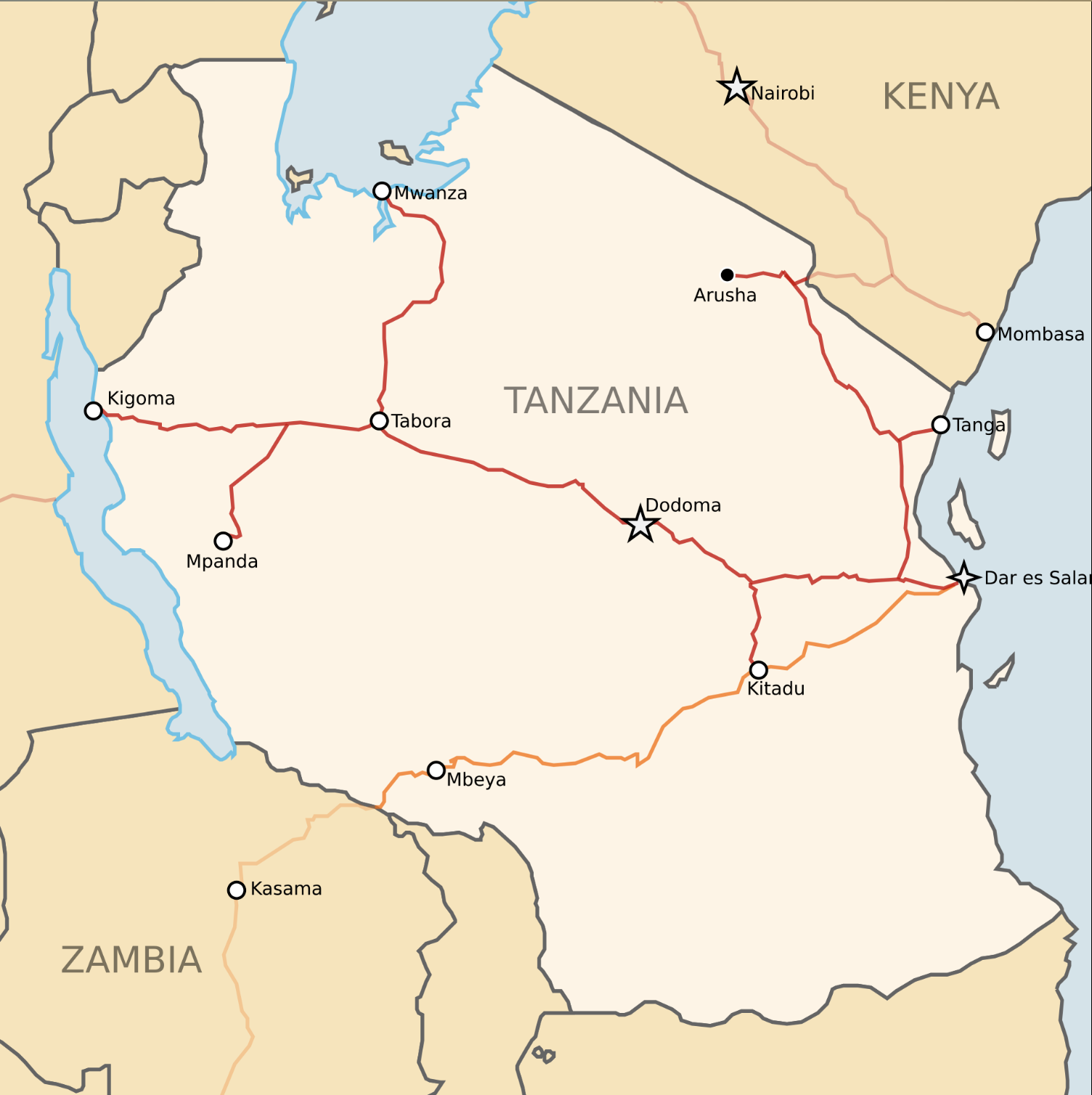
Across the country, new railway projects, commuter networks and expressways are being proposed or prepared for development. Together they reveal a long-term strategy to reshape Tanzania’s economic geography and unlock regions that have historically remained disconnected from global trade.
One of the most ambitious projects in this vision is the proposed Mtwara–Mbamba Bay–Liganga railway corridor. The railway would stretch approximately 1,000 kilometers from the Indian Ocean port of Mtwara through southern Tanzania to Mbamba Bay on Lake Nyasa, with spurs connecting the mineral-rich coal and iron ore deposits of Mchuchuma and Liganga. The project is estimated at around 5.6 billion dollars and is designed to unlock the southern corridor’s agricultural and mineral potential.
This railway is more than a transportation project. It represents the backbone of an emerging industrial zone in southern Tanzania. The region contains some of the country’s largest untapped mineral deposits, including coal and iron ore resources that could support domestic steel production. But these resources cannot be economically exploited without reliable transport links connecting mines to processing plants and export ports.
By linking Mtwara port to inland mineral basins, the railway would create an integrated logistics corridor capable of supporting mining, manufacturing and cross-border trade.
Another major rail proposal targets northern Tanzania. The Tanga–Arusha–Musoma railway line, also estimated at roughly 5.6 billion dollars, would connect the port of Tanga to the Lake Victoria basin and northern regional markets.
This corridor would serve multiple economic functions. It would strengthen tourism routes between coastal areas and northern safari destinations. It would also provide a transport link for agricultural exports from the Lake Victoria region while improving connectivity with neighboring countries such as Kenya and Uganda.
While long-distance rail corridors dominate national infrastructure plans, urban mobility is also receiving attention. Dar es Salaam, Tanzania’s largest city and commercial capital, is experiencing rapid population growth and increasing congestion. To address this challenge, authorities are considering a large commuter rail network designed to serve the metropolitan area and surrounding municipalities.
The proposed system could cover more than 160 kilometers of railway routes, connecting key residential and industrial districts across the city. The project is estimated at around eight billion dollars and aims to transform urban mobility while supporting economic productivity in one of Africa’s fastest-growing cities.
Similar commuter rail concepts are being explored for Dodoma, the country’s administrative capital. As government institutions relocate and the city expands, transportation infrastructure will become increasingly important for supporting urban development.
Road infrastructure is also evolving alongside rail investments. A proposed toll expressway linking Kibaha, Mlandizi and Chalinze is currently under procurement planning. The expressway would run parallel to the existing Morogoro road, one of the country’s busiest transport arteries. The project is designed to ease congestion, reduce travel time and introduce modern toll-financing models through public–private partnerships.
A second expressway section from Chalinze to Morogoro would further improve travel efficiency along the central transport corridor connecting Dar es Salaam with inland regions and neighboring countries.
These projects illustrate how Tanzania is attempting to shift from fragmented infrastructure development toward corridor-based planning.
Corridors matter because they concentrate economic activity. A railway linking ports to mineral deposits creates incentives for mining investment. Improved roads encourage logistics companies and distribution networks. Reliable commuter systems allow cities to grow without paralyzing congestion.
In effect, infrastructure corridors shape the economic map of a country. Tanzania’s corridor strategy reflects lessons learned from other emerging economies. Countries that successfully industrialize often begin by developing integrated transport systems that link natural resources, industrial zones and export markets.
China’s coastal manufacturing hubs, India’s freight corridors and Brazil’s agricultural logistics networks all followed similar patterns.
Tanzania is now building its own version of that model. The country’s location already gives it an advantage. Ports on the Indian Ocean provide access to global shipping routes, while inland transport corridors connect landlocked neighbors such as Rwanda, Burundi, Zambia and the Democratic Republic of Congo.
As infrastructure improves, Tanzania could strengthen its role as a regional logistics hub. But infrastructure development also requires significant capital and long-term planning. Many of the projects proposed today will take years to complete and require partnerships between government, development finance institutions and private investors.
The challenge is not simply building railways or highways. It is ensuring that infrastructure investment aligns with broader economic goals. When transport corridors connect power plants, mines, factories and ports, they become engines of growth rather than isolated construction projects.
Tanzania’s infrastructure strategy appears increasingly aligned with that logic. If the proposed railways, roads and urban transport systems move from concept to reality, they could redefine how goods, energy and people move across the country.
In doing so, they would lay the physical foundation for Tanzania’s next phase of economic transformation.