

Rail vs. Road Transport: Which Is Economically Superior for Tanzania?
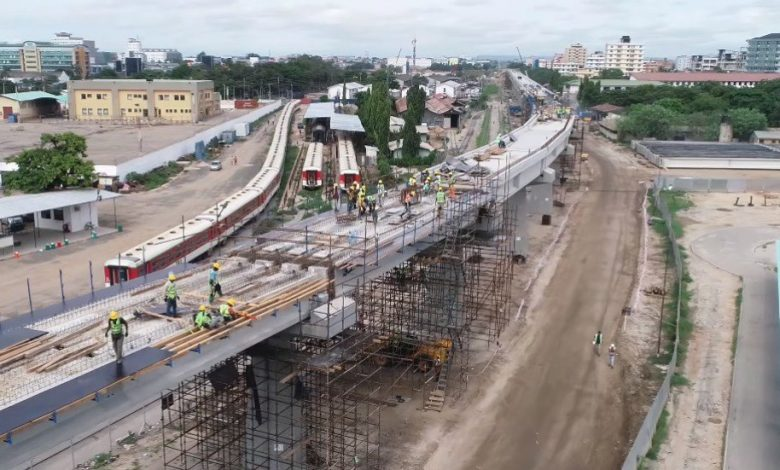
In Tanzania, the efficiency of moving goods and people directly influences trade costs, regional integration, investment attraction, and the competitiveness of industries. Both road and rail networks play vital roles in linking domestic markets and connecting the country with landlocked economies such as Rwanda, Burundi, Uganda, Zambia, and the Democratic Republic of Congo.
Transport is a central pillar of economic competitiveness. In Tanzania, the efficiency of moving goods and people directly influences trade costs, regional integration, investment attraction, and the competitiveness of industries. Both road and rail networks play vital roles in linking domestic markets and connecting the country with landlocked economies such as Rwanda, Burundi, Uganda, Zambia, and the Democratic Republic of Congo. Yet as Tanzania enters a new phase of infrastructure modernization especially with the ongoing construction of the Standard Gauge Railway (SGR), a critical economic debate continues: Which mode of transport offers greater economic advantage for Tanzania; rail or road?
Understanding Tanzania’s Transport Landscape
Tanzania’s transport system remains heavily dominated by roads, which currently carry more than 70 per cent of all goods and passengers. The road network is extensive, connecting urban centres, industrial zones, border posts, and rural markets. However, the system is costly to maintain due to heavy axle loads, traffic congestion, rapid vehicle wear and tear, and rising fuel consumption. As cargo volumes grow, roads face increasing pressure, leading to frequent repairs and high public expenditure.
Rail transport, on the other hand, has historically lagged behind due to decades of underinvestment, limited modernization, and operational inefficiencies. Today, this is changing rapidly. The SGR project, the rehabilitation of TRC lines, and regional rail integration with countries such as the DRC, Rwanda, Burundi, and Zambia are reshaping the country’s logistics landscape. These investments are reopening the debate on transport efficiency and raising expectations about Tanzania’s potential to become a regional logistics powerhouse.
Economic Advantages of Rail Transport
Rail transport offers significant benefits, especially for bulk cargo and long-distance movement. It is far more cost-effective than road transport when moving large volumes of minerals, cement, fuel, grain, fertilizer, and other heavy commodities. Rail’s ability to carry heavier loads with fewer trips substantially reduces freight costs for businesses and supports industrial competitiveness.
Another major economic benefit of rail is the reduction of road maintenance costs. Heavy trucks inflict considerable damage on highways, costing the government billions annually in rehabilitation and upgrades. When long-distance freight shifts from trucks to trains, the public maintenance burden decreases, freeing up resources for other national priorities.
Rail also offers environmental advantages. Per ton-kilometre, trains emit significantly fewer greenhouse gases than trucks. This strengthens Tanzania’s environmental commitments and positions the country favorably as global investors increasingly assess sustainability performance.
Perhaps most importantly, a reliable rail network enhances the competitiveness of Tanzania’s transit corridors. Neighbouring countries, including Rwanda, Burundi, Uganda, the eastern DRC, and Zambia, depend on efficient logistics systems to access global markets. The SGR dramatically improves the reliability, speed, and predictability of cargo movement, making the Central Corridor more attractive for regional trade. This enhances Tanzania’s role as a logistics hub and increases foreign exchange earnings through transit traffic.
Advantages of Road Transport
Despite the growing importance of rail, road transport remains indispensable. Its greatest strength is flexibility. Trucks can reach areas that trains cannot, especially rural villages, small towns, retail centres, farms, mines, and construction sites. This flexibility is essential for last-mile delivery, the final and most critical stage of any supply chain.
Roads are also faster and more efficient for short-distance journeys. Many businesses rely on same-day deliveries, quick pickups, and flexible routing, which rail cannot easily provide. Moreover, road transport is supported by a strong private sector ecosystem. Thousands of Tanzanian-owned logistics companies operate fleets of trucks, creating jobs and contributing to the national economy. Rail’s expansion cannot and should not replace these businesses; instead, both modes must complement each other.
Comparative Weaknesses
Each mode of transport also comes with limitations. Rail requires large upfront capital investments, specialized skills, and modern infrastructure. Its coverage remains limited, and the efficiency of rail transport depends heavily on stable electricity and reliable operations.
Road transport, in contrast, struggles with high fuel costs, frequent congestion, short vehicle lifespans due to road conditions, and a higher rate of accidents. The economic cost of road accidents, including cargo loss, medical expenses, and productivity loss is substantial. These weaknesses reduce the long-term financial attractiveness of relying solely on road transport.
What Is Economically Superior?
For Tanzania’s long-term economic competitiveness, rail transport offers greater economic advantage for heavy cargo, bulk commodities, long-distance movement, and regional transit trade. It lowers freight costs, reduces road maintenance spending, supports industrialization, and strengthens regional logistics corridors.
However, road transport remains essential for short distances, last-mile deliveries, and areas not served by rail. Tanzania cannot rely on one system alone. The most economically efficient pathway is an integrated transport model, where rail handles the heavy backbone of national and regional logistics, while roads support distribution, short-haul, and high-flexibility transport needs.
