

Why Logistics Is Tanzania’s Most Powerful Wealth Engine Under Vision 2050
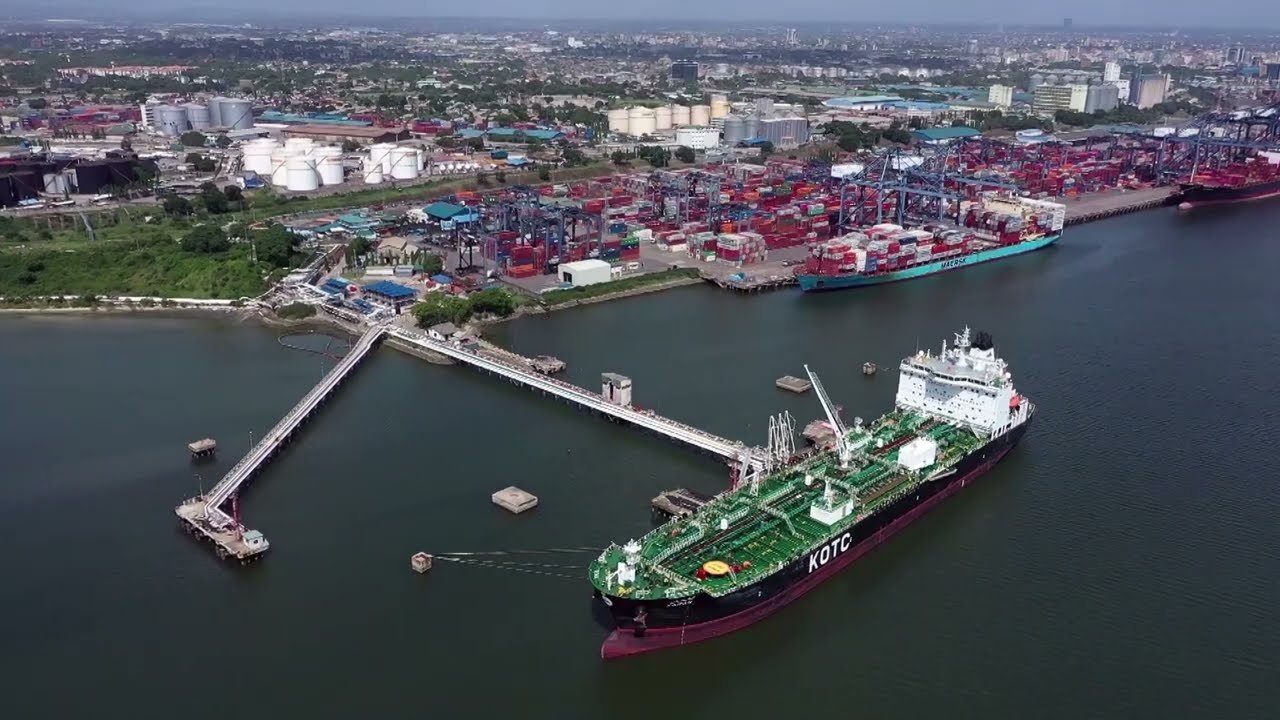
Tanzania is deliberately turning its geography into a profit engine. Under Vision 2050, integrated logistics, ports, railways and trade platforms are being engineered into a regional trade super-system that will mint the next generation of Tanzanian and foreign millionaires.
Tanzania Development Vision 2050 does not describe logistics as a support sector. It defines it as a primary engine of national wealth creation. This is a radical shift in how the state sees its own geography, and it explains where the next generation of serious Tanzanian and foreign fortunes will be made.
Under Dira 2050, Tanzania is formally positioning itself as the principal transit and trade platform for Eastern and Southern Africa, using integrated infrastructure, digitised trade systems and regulatory harmonisation to monetise its location between the Indian Ocean and the African interior .
That choice is not cosmetic. It is grounded in hard economics.
Tanzania’s Logistics Penalty Is One of the Highest in the World
Dira 2050 admits something extraordinary. Logistics costs in Tanzania account for 35 to 45 percent of the total cost of imports, including freight and insurance
To put this in context:
In efficient trade economies such as Singapore, South Korea or the Netherlands, logistics typically consume 8 to 12 percent of total landed cost.
Tanzania is operating at three to four times that level.
This means Tanzania is currently paying an enormous “inefficiency tax” on every container, every tonne of fuel, every bag of fertiliser, every machine, every export shipment.
That inefficiency is not random. Dira 2050 identifies the causes:
- Port congestion and slow offloading
- Weak storage and warehousing
- Fragmented transport networks
- Multiple regulatory agencies and local levies
- Non-digitised customs and trade systems
Every one of these failures is a profit opportunity for whoever fixes them.
Why the State Is Now Engineering a Logistics Super-System
Dira 2050 makes logistics one of the five catalytic drivers of transformation because Tanzania cannot reach a one-trillion-dollar economy while 40 percent of trade value is lost in friction
The Vision therefore commits the state to:
- SGR freight corridors
- port and dry port expansion
- One-Stop Border Posts
- digitised customs
- multimodal transport systems
- air cargo and national airline revival
- logistics regulation reform
This is not infrastructure for beauty. It is infrastructure for margin extraction.
The goal is to convert Tanzania from a slow, high-cost corridor into a high-volume, low-friction trade machine, serving:
- DR Congo
- Zambia
- Rwanda
- Burundi
- Malawi
- Uganda
- and parts of Southern Africa
That market is hundreds of millions of people and tens of billions of dollars of goods every year.
Where the Money Will Actually Be Made
When logistics costs fall from 40 percent to 20 percent, the difference does not disappear. It becomes a capturable profit.
That profit will flow to:
- private freight rail operators
- trucking networks
- bonded warehouse companies
- cold-chain operators
- logistics software firms
- port service providers
- inland container depots
- trade finance and insurance platforms
This is why Dubai, Rotterdam and Singapore produced logistics billionaires. Not because they were rich countries, but because they sat between producers and markets.
Dira 2050 is trying to turn Tanzania into Africa’s version of that model.
Why This Is Not Just About Tanzania
The Vision explicitly states that Tanzania aims to become “a premier gateway for Eastern and Southern Africa”
That means Tanzanian infrastructure will increasingly carry:
- Zambian copper
- Congolese cobalt
- Malawian tobacco
- Rwandan exports
- Burundian tea
Every tonne that passes through Dar, Bagamoyo, Tanga or Mtwara is monetisable.
This is not a theory. This is how global trade hubs work.
What Vision 2050 Is Really Doing
Dira 2050 is turning Tanzania from a producer economy into a platform economy.
Producers fight over margins.
Platforms skim them.
That is where millionaires come from.
And logistics is the biggest platform Tanzania has.