

Why Tanzania Needs a National Logistics Strategy to Unlock Economic Growth
Tanzania has long been recognized as a regional trade hub in East Africa, with strategic access to the Indian Ocean, multiple landlocked neighbors, and a growing domestic market.
Tanzania has long been recognized as a regional trade hub in East Africa, with strategic access to the Indian Ocean, multiple landlocked neighbors, and a growing domestic market. Yet despite these advantages, logistics inefficiencies silently inflate costs across the economy, limiting competitiveness, raising consumer prices, and constraining economic growth. Businesses face fragmented transport networks, poor coordination between road, rail, and port systems, and limited access to modern warehousing and digital tracking tools.
Without a unified national logistics strategy, Tanzania risks undermining its own trade potential, slowing industrial growth, and leaving small and medium enterprises (SMEs) struggling with high operational costs.
Current Gaps in Tanzania’s Logistics System
1. Fragmented Transport Networks
While Tanzania has invested heavily in road infrastructure, many networks remain insufficiently connected. Rural roads are often unpaved, seasonal, and poorly maintained, limiting farm-to-market access. Railways, though strategic, are underutilized and suffer from outdated equipment and scheduling inefficiencies.
2. Port Congestion and Limited Efficiency
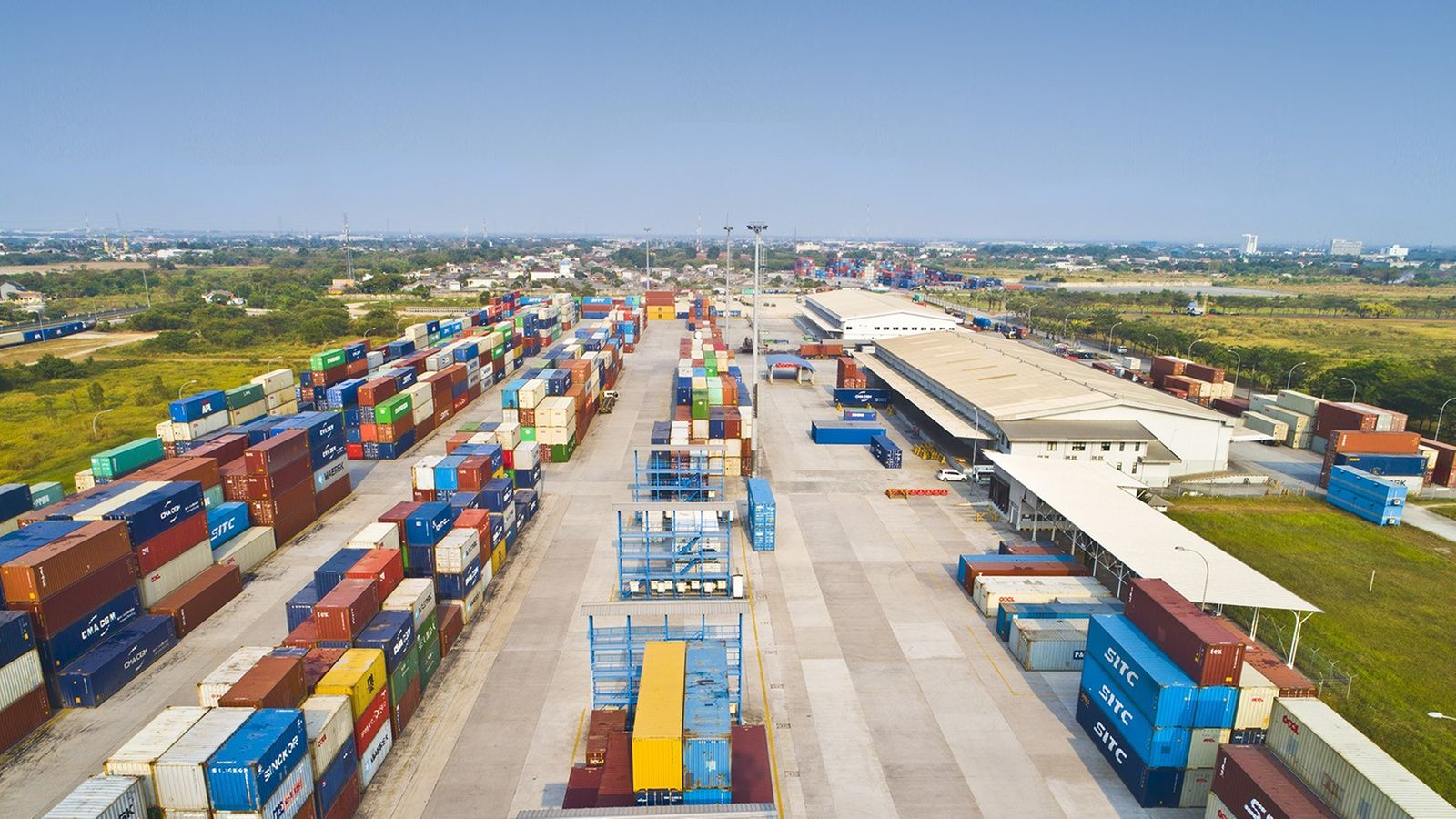
Tanzania’s key ports, including Dar es Salaam, Tanga, and Mtwara, handle a growing volume of regional cargo. However, port congestion, lengthy clearance procedures, and inefficient cargo handling increase delays and raise transport costs. This impacts not only exports but also domestic supply chains for imported goods.
3. Underdeveloped Rural and Cold Chain Logistics
Agriculture a backbone of Tanzania’s economy, suffers from weak rural logistics. Inadequate warehousing, lack of cold storage, and poor aggregation facilities lead to post-harvest losses and missed market opportunities. High-value perishable goods such as fruits, vegetables, fish, and dairy often lose value before reaching urban markets.
4. Inefficient Warehousing and Inventory Management
Modern warehousing and inventory management are limited. Many storage facilities are basic, lack digital tracking, and fail to meet international standards, making it difficult for producers, traders, and importers to manage stock efficiently.
5. Limited Technology Adoption
Digital solutions for logistics such as freight tracking, route optimization, inventory management, and customs automation, are fragmented and underutilized. This prevents real-time visibility, reduces operational efficiency, and increases risk across supply chains.
Economic Impact of Logistics Inefficiencies
Logistics costs in Tanzania can account for up to 30% of product prices, a level that significantly reduces profitability for businesses and weakens export competitiveness. SMEs, particularly in agriculture, manufacturing, and fast-moving consumer goods, face high operational costs, delayed deliveries, and spoilage losses.
The cumulative effect is:
- Higher prices for consumers
- Reduced industrial competitiveness
- Lower foreign investment in trade-dependent sectors
- Missed opportunities in regional trade with East and Southern African countries
Without urgent reform, Tanzania risks falling behind its neighbors in the regional logistics efficiency rankings, limiting its ambitions as a gateway for trade in East Africa.
Way Forward and Outlook
Developing a National Logistics Strategy is critical for Tanzania to unlock economic growth. Key steps include:
1. Integrate Roads, Rail, and Ports into a Unified Framework
Tanzania must coordinate road, rail, and port development to reduce fragmentation, optimize cargo flows, and ensure smooth multimodal transport. Strategic investments should focus on linking rural production areas to major ports and industrial hubs.
2. Expand and Modernize Warehousing and Cold Chains
Investments in modern warehouses, storage facilities, and refrigerated transport are essential to reduce post-harvest losses, improve inventory management, and increase the shelf life of high-value agricultural and industrial products.
3. Promote Public-Private Partnerships (PPPs)
Logistics efficiency requires collaboration. PPPs can finance infrastructure, manage operations, and deploy modern technology, reducing government burden while improving service quality and reliability.
4. Adopt Digital Freight and Supply Chain Management Systems
Technology adoption including freight tracking, route optimization, and customs digitization, can significantly reduce delays, lower costs, and enhance supply chain visibility. Platforms that connect producers, transporters, and buyers can improve efficiency across the value chain.
5. Strengthen Regulatory and Institutional Coordination
A national logistics framework should align policies across ministries, regulators, and agencies overseeing transport, trade, and industry. Clear regulations, streamlined permits, and standardized procedures will reduce bottlenecks and encourage investment.
Outlook
A national logistics strategy has the potential to transform Tanzania’s economy. By integrating infrastructure, modernizing warehousing, leveraging technology, and promoting public-private collaboration, the country can reduce logistics costs, boost export competitiveness, and support industrial growth.
With East Africa’s growing trade opportunities and Tanzania’s strategic location, improving logistics is not just an operational necessity it is a national economic imperative. Efficient supply chains will create jobs, strengthen SMEs, and unlock billions in untapped economic value, positioning Tanzania as the premier trade and logistics hub in the region.
